
Hamza Asumah, MD, MBA
Ghana finds itself at a crossroads, grappling with the devastating repercussions of illegal mining—locally dubbed “galamsey.” The environmental degradation, rampant pollution of water bodies, and the ensuing health crises are igniting fierce debates across the nation. In this volatile atmosphere, the Ghana Medical Association (GMA) has opted to break ranks with organized labor, instructing its members to carry on with their duties while others plan to strike. This decision raises a slew of questions, exposing the complexities, contradictions, and ethical dilemmas that lie beneath the surface.
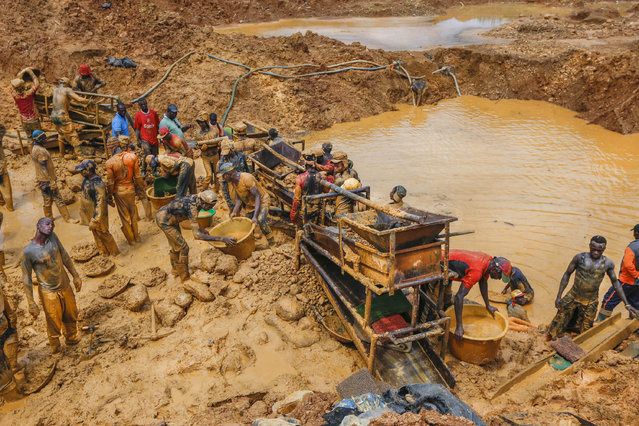
Photo By Ghana Web
The Ethical Imperative vs. Political Posturing
At the core of the GMA’s decision is the principle of non-maleficence—do no harm. Amidst a backdrop of rising health crises stemming from toxic contamination, the GMA’s commitment to providing uninterrupted medical care is commendable. Doctors are, after all, custodians of life, and any disruption in healthcare could lead to tragic consequences. However, one cannot help but perceive a layer of political maneuvering beneath this ethical stance.
The GMA’s history tells a different story. GMA has not shied away from striking in the past over issues like personal remuneration and governmental decisions. In July 2024, the Association joined forces with other labor groups to protest the government’s controversial intent to sell 60% of SSNIT’s shares in its hotels to a private entity. This move was not merely a financial issue; it was a betrayal of trust that galvanized organized labor groups to take a stand for their interests. Yet, here lies the controversy: why is the GMA willing to strike for financial grievances while remaining conspicuously silent on a crisis that endangers the health of entire communities? This apparent double standard raises eyebrows and questions the integrity of the GMA’s leadership.
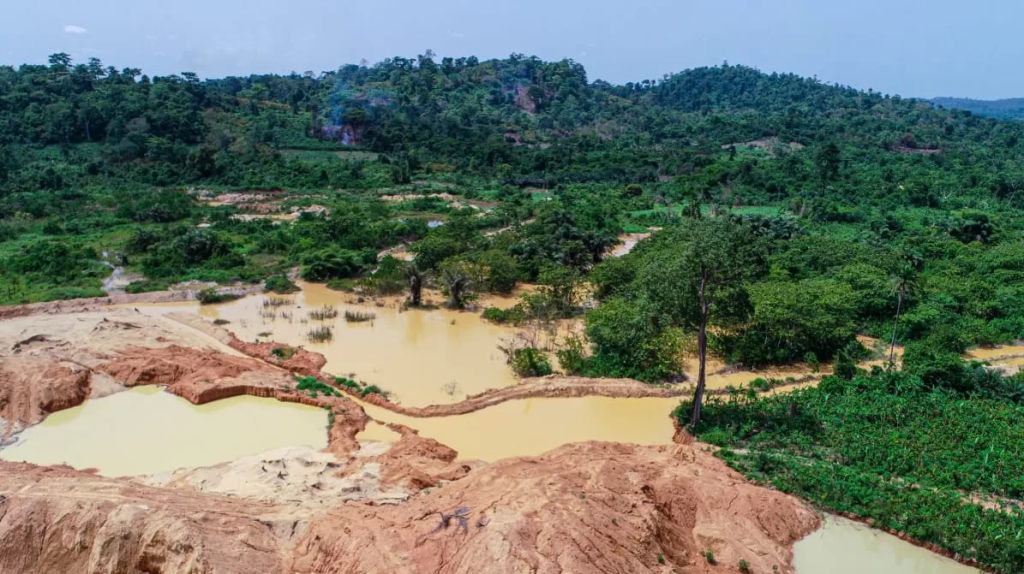
Photo By Norvan Reports
The Public Backlash
Public sentiment is rife with frustration. Critics argue that the GMA’s decision to abstain from the strike against illegal mining reflects an unsettling prioritization of self-interest over communal health. This inconsistency not only fuels resentment among the populace but also risks alienating the very communities that doctors are sworn to protect. How can the GMA champion its financial interests while seemingly turning a blind eye to the health emergencies unfolding in the wake of illegal mining practices? The optics are troubling.
The Doctor’s Dilemma
The dilemma extends beyond politics and ethics; it strikes at the very heart of what it means to be a healthcare provider. Doctors are faced with a profound challenge: balancing the immediate lives that may be lost due to a lack of healthcare access during a strike against the long-term health implications of environmental degradation caused by illegal mining.
With mercury and cyanide poisoning seeping into the water supply, communities are left to navigate a minefield of health risks, from neurological disorders to widespread chronic illnesses. The GMA must grapple with the ethical implications of their choice: are they complicit in the suffering of vulnerable populations by choosing not to engage in a strike that could pressure the government into action?
Finding the Balance
The GMA’s path forward must be multifaceted, embracing both care and advocacy. Here are some urgent steps to consider:
1. While maintaining patient care is crucial, the GMA must also acknowledge the need for advocacy. Doctors can’t simply treat symptoms; they must work toward systemic change.
2. The GMA has a unique platform to advocate for sustainable practices and stricter regulations against illegal mining. This is a chance to connect the dots between health and environmental policy—a narrative that is desperately needed.
3. Empowering communities with knowledge about the health risks of illegal mining can create grassroots movements that amplify the call for change. Education is an essential weapon in this fight.
4. The GMA should not shy away from providing data-driven insights to inform policy decisions, even if it means stepping into the political arena. The health implications of environmental policies are too grave to be ignored.

Photo By Diocese of St. Augustine
The Ghana Medical Association stands at a critical juncture, tasked with navigating the choppy waters of ethics, politics, and public health. While their decision to continue providing care amidst the illegal mining crisis reflects a commitment to patient welfare, it also invites scrutiny regarding their past actions and potential contradictions. As the GMA grapples with its role as both caregiver and advocate, it must confront the undeniable truth: the health of individuals and communities is inextricably linked to the health of the environment.
This crisis demands more than silence or passive observation; it calls for a robust, proactive stance that prioritizes the well-being of all Ghanaians. The balance is delicate, and the stakes are high. The time for decisive action is now—because lives depend on it.
Please leave your comments below


 Dr. Hamza Asumah
Leave a reply to Jacob Mwanza Cancel reply