
Hamza Asumah, MD, MBA
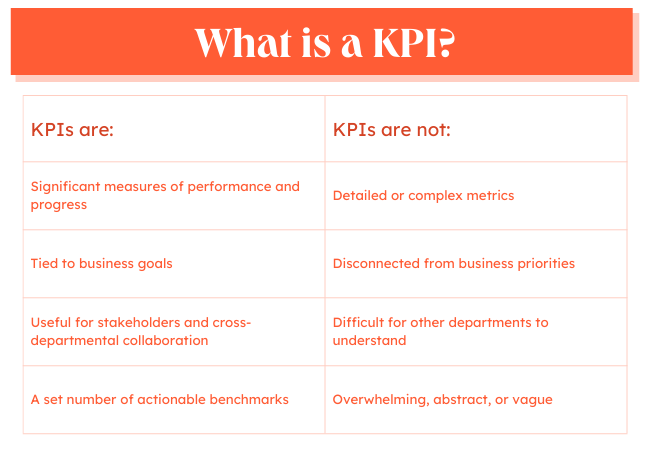
Managing a hospital business is a complex and challenging undertaking, with many variables to consider. One key aspect of running a successful hospital business is keeping track of the right Key Performance Indicators (KPIs) to ensure that the hospital is achieving its goals and meeting the needs of its patients, staff, and stakeholders. In this blog, we will discuss some of the most important KPIs that a hospital business should monitor to achieve long-term success.
First, patient satisfaction is a crucial KPI for any hospital business. Patients are the lifeblood of any hospital, and their satisfaction with the care they receive is critical to the success of the hospital. Measuring patient satisfaction can be done through surveys and feedback mechanisms, and it can help hospitals identify areas where they need to improve their services, such as wait times, quality of care, or communication with patients.

Photo By Blackman and Sloop
Second, patient wait times are another key KPI that hospitals must monitor to ensure that patients receive timely care. Long wait times can have a negative impact on patient satisfaction and lead to decreased patient volumes. By tracking wait times from check-in to discharge or consult with a doctor, hospitals can identify bottlenecks and inefficiencies in the patient care process and take steps to improve the patient experience.
Third, staff productivity is a critical KPI for hospital businesses. Staff productivity can be measured by monitoring the number of patients seen per day or per hour, the number of procedures performed, and other relevant metrics. By tracking staff productivity, hospitals can identify areas where staff may need additional training or support and take steps to improve their performance.
Fourth, revenue and expenses are essential KPIs to ensure the financial health of a hospital business. Revenue can be tracked by monitoring patient volumes, the number of procedures performed, and other revenue-generating activities. Expenses can be tracked by monitoring staffing costs, supply costs, and other operating expenses. By monitoring revenue and expenses, hospitals can identify areas where they need to cut costs, increase revenue, or invest in new technologies or services.

Photo by Profit.co
Fifth, clinical outcomes are critical KPIs for hospital businesses, as they determine whether patients are receiving high-quality care. Clinical outcomes can be measured by monitoring mortality rates, readmission rates, and other relevant metrics. By tracking clinical outcomes, hospitals can identify areas where they need to improve their care processes or invest in new technologies or services to improve patient outcomes.
Sixth, staff turnover is another important KPI for hospital businesses. High staff turnover can negatively impact the quality of care provided, increase operating costs, and reduce morale among remaining staff. By monitoring staff turnover, hospitals can identify areas where they need to improve their retention strategies, such as offering better pay, benefits, or training opportunities.
Finally, hospital-acquired infections are a crucial KPI for any hospital business, as they can have a significant impact on patient outcomes and satisfaction. Hospitals can monitor infection rates by tracking the number of infections per patient, the type of infection, and the location of the infection. By identifying areas where infections are more likely to occur, hospitals can take steps to reduce the risk of infections and improve patient safety.
In conclusion, monitoring the right KPIs is essential for the success of any hospital business. By tracking patient satisfaction, patient wait times, staff productivity, revenue and expenses, clinical outcomes, staff turnover, and hospital-acquired infections, hospitals can identify areas where they need to improve their operations, invest in new technologies or services, or cut costs.
Please let me know what your experience has been in the comment section below.


 Dr. Hamza Asumah
Leave a reply to Karikari Patrick Nsiah Cancel reply