
Hamza Asumah, MD, MBA
Healthcare has long been a system characterized by complexity, high costs, and fragmented services. From insurance hassles to long wait times and unexpected bills, accessing quality care can often feel like an uphill battle. However, a new trend is emerging in the healthcare industry: Healthcare as a Service (HaaS), driven by subscription-based models that aim to make healthcare more accessible, efficient, and affordable. As this model gains traction, entrepreneurs have a unique opportunity to capitalize on the shift toward preventive, patient-centered care, reshaping the way we think about health services.
What is Healthcare as a Service?
At its core, Healthcare as a Service (HaaS) refers to healthcare offerings that are delivered on a subscription basis, allowing patients to access a range of services for a regular, fixed fee. This contrasts with the traditional fee-for-service model, where patients pay for each visit, test, or treatment. Subscription models can cover a variety of services, from primary care and virtual consultations to wellness programs, mental health support, and even personalized nutrition and fitness guidance.
The appeal of HaaS lies in its ability to provide predictable costs for patients and a more consistent, proactive approach to healthcare. By offering a subscription model, healthcare providers can build longer-term relationships with patients, encouraging preventive care and reducing the need for reactive treatments.
How Subscription Models Are Making Healthcare More Accessible
One of the most significant advantages of subscription-based healthcare models is that they make healthcare more accessible and affordable. Many individuals face barriers to accessing care due to cost, lack of insurance, or long wait times for appointments. Traditional fee-for-service healthcare can be prohibitive, particularly for those without insurance or for those with high-deductible plans. Subscription models aim to remove these barriers by offering an affordable, predictable monthly or annual fee that covers a wide range of healthcare services.
For example, many telemedicine platforms now offer unlimited virtual consultations with healthcare providers for a fixed monthly fee. This model eliminates the need for patients to pay per consultation, making it easier for individuals to access care when needed, without worrying about accumulating medical bills. Patients in rural or underserved areas benefit greatly from this model, as they can access healthcare services without the need for long-distance travel or in-person visits.
In addition to providing more affordable access to healthcare, subscription models also encourage continuity of care. Rather than seeing a new doctor for each issue, patients who subscribe to healthcare services develop an ongoing relationship with their provider, leading to more personalized care. This consistent access makes it easier to manage chronic conditions, follow-up on treatments, and build a comprehensive health plan.
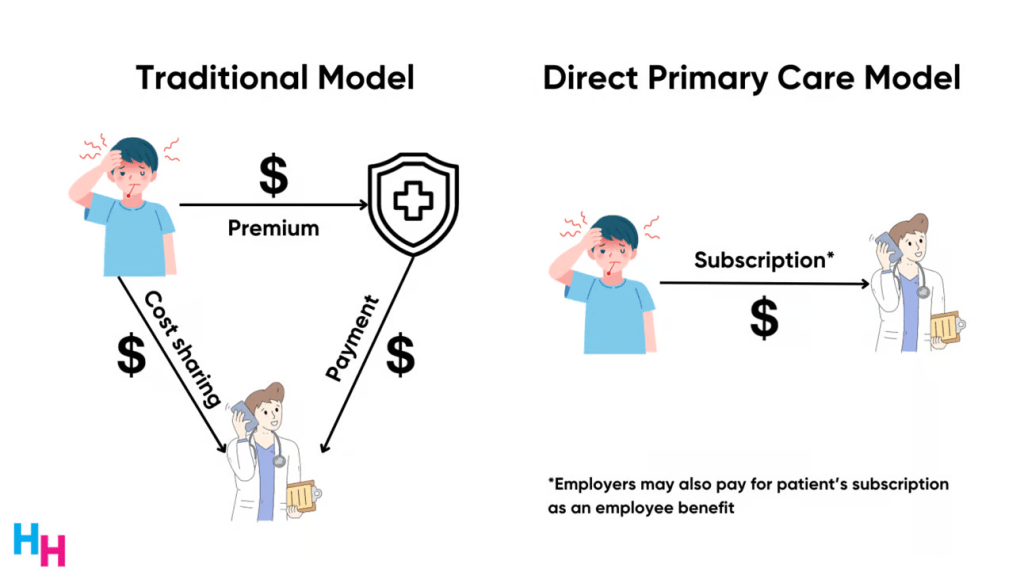
Photo By The Healthcare Huddle
Subscription Models and Preventive Care
The true power of Healthcare as a Service lies in its emphasis on preventive care. In traditional healthcare systems, services are often reactive, meaning patients seek care only when they are ill or experiencing symptoms. This leads to more costly treatments, longer recovery times, and in many cases, preventable health issues that could have been addressed earlier.
Subscription-based models, however, encourage regular check-ups, screenings, and health monitoring, helping patients stay on top of their well-being before problems arise. For example, some HaaS models include access to wellness programs that offer personalized nutrition advice, fitness coaching, and mental health support. These services aim to prevent illness and improve overall health, not just treat conditions after they develop.
Another example is chronic disease management. Subscription services that provide continuous monitoring, coaching, and health tracking for conditions like diabetes, hypertension, and heart disease help patients stay on top of their condition. This proactive approach not only improves outcomes but also reduces the need for emergency visits or hospitalizations, ultimately lowering healthcare costs.
How Entrepreneurs Can Capitalize on the HaaS Trend
The rise of Healthcare as a Service presents exciting opportunities for entrepreneurs to tap into a growing market for accessible, affordable, and preventive healthcare. By offering subscription-based services, startups can create scalable businesses that cater to a wide range of patients, from young professionals seeking preventive care to individuals with chronic conditions who need ongoing support.
Entrepreneurs can explore several avenues to build a profitable HaaS business:
- Telemedicine and Virtual Care: As telemedicine continues to gain popularity, entrepreneurs can build platforms that offer virtual consultations, second opinions, and continuous care for patients. Offering a subscription service that includes unlimited access to licensed providers can help meet the demand for convenient, on-demand care.
- Chronic Disease Management: Subscription models that focus on managing chronic conditions provide a valuable service to patients who require ongoing care and monitoring. Entrepreneurs can create platforms that combine remote monitoring tools with personalized coaching to help patients manage their health outside the clinical setting.
- Wellness and Preventive Care: As people become more health-conscious, there’s an increasing demand for wellness programs that focus on preventive care. Entrepreneurs can build subscription-based platforms offering personalized fitness plans, nutritional guidance, mental health support, and wellness coaching.
- Mental Health Support: Mental health has become a major area of focus in recent years, and many patients are seeking accessible, affordable support. Subscription models that offer therapy sessions, counseling, or mental health coaching can make mental health care more approachable and less stigmatized.
- Specialized Health Services: Entrepreneurs can also focus on niche healthcare markets, such as maternal health, elderly care, or pediatric care, by offering tailored subscription services that meet the unique needs of these populations.
The Benefits of Subscription-Based Healthcare
There are several benefits that subscription-based models bring to both patients and entrepreneurs:
- Predictable Costs: Patients know exactly what they’ll be paying for healthcare services, eliminating the financial uncertainty that often comes with traditional healthcare. This is particularly valuable for individuals without insurance or those with high-deductible plans.
- Improved Health Outcomes: By prioritizing preventive care and continuous monitoring, subscription models can help patients avoid expensive treatments and hospitalizations, leading to better long-term health outcomes.
- Scalability for Entrepreneurs: Subscription models are inherently scalable, allowing entrepreneurs to reach a wide range of patients without needing to rely on one-time transactions or fee-for-service models. This makes it easier to grow a sustainable business.
- Increased Patient Engagement: Subscription-based services often include health tracking, wellness coaching, and regular check-ins, which lead to higher levels of patient engagement and accountability. This helps ensure patients are actively managing their health and staying on track with treatment plans.
Challenges and Considerations
While subscription-based healthcare models offer numerous benefits, they are not without their challenges. Entrepreneurs must consider how to structure their services to meet the needs of diverse patient populations, ensure that they are offering quality care, and comply with regulations like HIPAA to protect patient privacy.
Additionally, there may be concerns about ensuring that the services offered through subscription models are comprehensive and equitable, particularly for patients with complex health needs. Entrepreneurs must strike a balance between affordability, quality of care, and inclusivity to ensure that their subscription offerings are accessible to all.
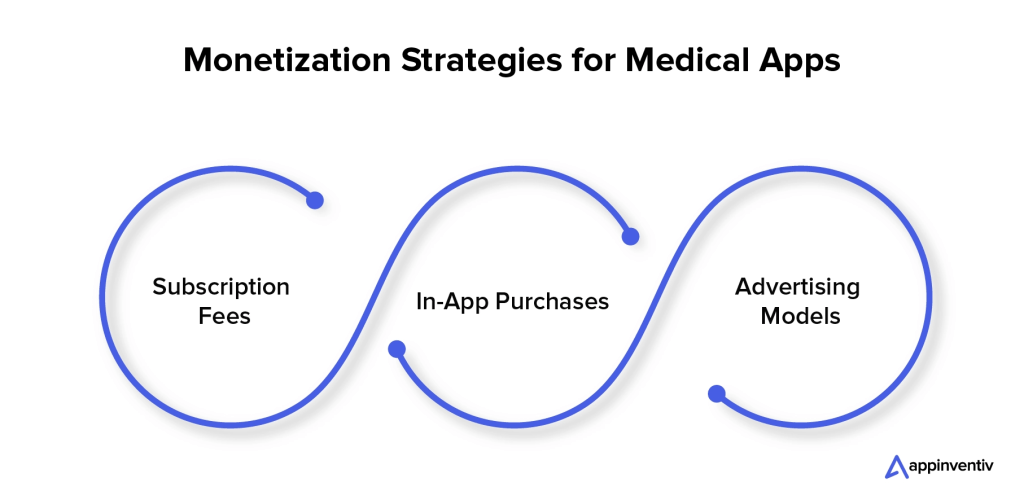
Photo By Appinventiv
The rise of Healthcare as a Service is reshaping the healthcare landscape, making healthcare more affordable, accessible, and focused on preventive care. Entrepreneurs have a unique opportunity to capitalize on this trend by offering subscription-based models that provide ongoing, comprehensive care for a wide range of patient needs. By focusing on accessibility, affordability, and health outcomes, entrepreneurs can create innovative solutions that not only transform healthcare delivery but also drive long-term business success. As this model continues to gain traction, it will undoubtedly pave the way for a new era of patient-centered, subscription-based healthcare.

 Dr. Hamza Asumah
Leave a comment