
Hamza Asumah, MD, MBA
The healthcare industry is undergoing a transformation, with innovation at the heart of it all. From AI-driven diagnostics to wearable health devices and telemedicine, the potential to improve patient outcomes is vast. However, with great technological advancements come significant ethical concerns, especially regarding patient privacy and data security. For entrepreneurs in healthcare, navigating this fine line between innovation and privacy is a delicate and complex task.
The Growing Role of Data in Healthcare Innovation
In healthcare, data is power. From patient records to real-time health metrics, the information gathered is critical for diagnosing conditions, personalizing treatments, and predicting health trends. Yet, with this powerful tool comes the enormous responsibility of safeguarding patient data. As healthcare increasingly relies on digital solutions like electronic health records (EHRs), remote monitoring tools, and AI algorithms, ensuring privacy and security is paramount.
For healthcare entrepreneurs, the challenge is finding ways to innovate while maintaining trust and adhering to strict data protection standards. While data-driven technologies have the potential to enhance patient care, they also create new vulnerabilities. A single breach or misuse of data can lead to severe consequences, from identity theft to misuse of sensitive health information. Balancing innovation with privacy is not just a legal obligation—it’s an ethical imperative.
Navigating the Legal Frameworks: HIPAA and Beyond
For healthcare entrepreneurs in the U.S., one of the primary regulations that govern data privacy is the Health Insurance Portability and Accountability Act (HIPAA). HIPAA sets the standard for safeguarding medical information, mandating strict rules on how patient data is accessed, used, and shared.
Entrepreneurs in healthcare must ensure that their innovations comply with HIPAA requirements, which include:
- Security Rule: This establishes national standards for the protection of electronic health information.
- Privacy Rule: This defines who may access and share protected health information (PHI).
- Breach Notification Rule: This requires that any breach of PHI be reported in a timely manner.
While HIPAA compliance is a foundational step, it’s not the only legal consideration for healthcare startups. International entrepreneurs must also contend with privacy laws like the General Data Protection Regulation (GDPR) in the European Union. The GDPR has stringent rules about patient consent, data retention, and the right to be forgotten, ensuring that patients have more control over their data.
Staying informed about and adhering to these regulations is non-negotiable for entrepreneurs aiming to build trust and mitigate risks. However, compliance with legal frameworks alone is not sufficient to protect patient privacy; ethical considerations must also play a role in how entrepreneurs handle patient data.

Photo By Medium
Ethical Considerations: Putting Patients First
While legal frameworks like HIPAA and GDPR provide a baseline for data protection, ethical considerations go beyond compliance. Entrepreneurs must ask themselves critical questions such as:
- How do we ensure patient autonomy? Patients should be fully informed about how their data will be used and should have the ability to consent (or opt out) without facing repercussions.
- How do we foster trust? Transparency in data handling practices is essential. Patients need to know what data is collected, why it’s being collected, and how it will be protected.
- How do we minimize harm? Entrepreneurs must design systems that prioritize privacy by default. This includes employing encryption, anonymizing data when possible, and ensuring that only authorized individuals have access to sensitive information.
An example of ethical innovation can be seen in startups that use blockchain technology to safeguard patient data. Blockchain allows for decentralized and immutable records, meaning that patients control access to their health data and can decide who sees it and when. This approach provides a high level of transparency, trust, and security—aligning with both ethical and legal standards.
Another area where ethical considerations are crucial is in the development of AI in healthcare. AI algorithms are often trained on vast datasets to improve diagnostic accuracy, but these datasets can include sensitive personal health information. Entrepreneurs must ensure that the data used to train AI systems is anonymized or de-identified, and that AI tools are designed to prevent bias and discrimination, ensuring fair treatment for all patients.
The Role of Informed Consent
Informed consent is a cornerstone of both ethical healthcare and data privacy. Entrepreneurs must ensure that patients fully understand what they are consenting to when their data is used for innovation. This means providing clear, easily understandable privacy policies and consent forms that explain how data will be used, stored, and protected.
Moreover, entrepreneurs should respect the right of patients to withdraw consent at any time without negative consequences. This is particularly important in the context of digital health tools and wearables, where ongoing data collection is central to the service provided. If a patient decides to stop sharing data or discontinues use of a health app, their privacy must continue to be protected, and their data should be securely deleted or anonymized.
Building a Culture of Privacy-First Innovation
One of the most critical steps entrepreneurs can take is building a culture of privacy-first innovation within their organization. This means integrating privacy and data security into the DNA of the product development process, from day one. Entrepreneurs should adopt privacy-by-design principles, where privacy is considered at every stage of product design and development.
Training employees on the importance of data protection and fostering a culture of transparency and accountability are essential in mitigating risks and ensuring that patient privacy is always prioritized. Additionally, entrepreneurs should regularly audit their data handling practices to ensure they align with both legal and ethical standards.
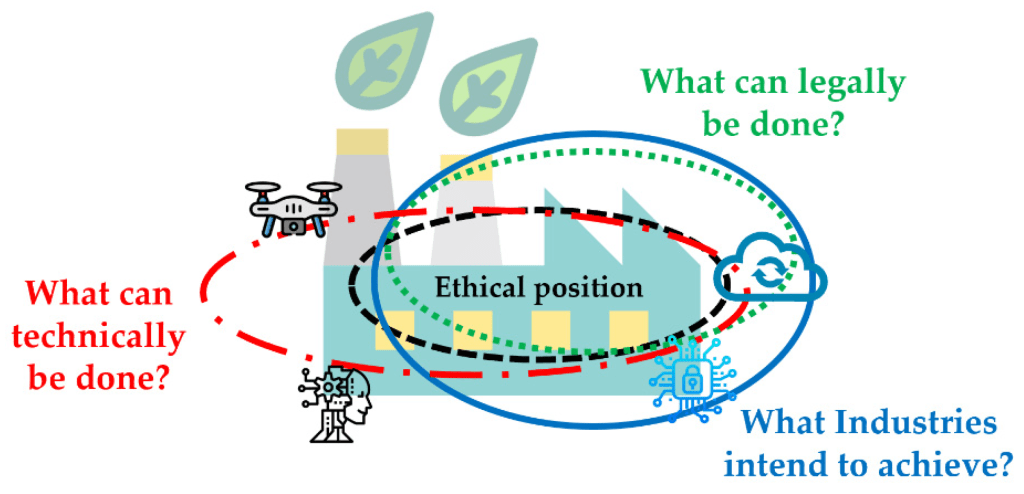
Photo By MDPI
The ethical entrepreneurship dilemma in healthcare revolves around balancing innovation with privacy and data security. As healthcare entrepreneurs develop groundbreaking technologies that promise to improve patient outcomes, they must also commit to safeguarding sensitive patient data and ensuring that their practices are both legally compliant and ethically sound.
Entrepreneurs who can successfully navigate this challenge by prioritizing transparency, patient autonomy, and data security will not only foster trust with their patients but will also position their businesses for long-term success. The key lies in creating innovative solutions that respect privacy, adhere to legal frameworks, and uphold the highest ethical standards. By doing so, healthcare startups can truly make a meaningful impact while protecting what matters most—patients’ trust and well-being.

 Dr. Hamza Asumah
Leave a comment