
Hamza Asumah, MD, MBA
In today’s rapidly evolving healthcare landscape, prioritizing the patient’s experience and outcomes has become more critical than ever. The P.A.T.H. Strategy—Patient-Centered Care, Accessibility, Technological Integration, and Holistic Approaches—offers a comprehensive framework for revolutionizing how healthcare is delivered. By placing the patient at the heart of every decision, this strategy drives meaningful, transformative change.
Patient-Centered Care
The cornerstone of the P.A.T.H. Strategy is making patients the central focus of healthcare. Patient-centered care emphasizes personalized treatment plans that respect individual preferences, values, and needs. Key strategies include:
- Shared Decision-Making: Involving patients in their care decisions fosters trust and ensures treatments align with their goals and values. Tools such as decision aids and thorough communication play a pivotal role.
- Empathy in Practice: Training healthcare professionals to adopt empathetic communication can significantly enhance patient satisfaction and adherence to treatment plans.
- Continuous Feedback Loops: Leveraging patient feedback through surveys and focus groups helps institutions refine their approaches and address gaps in care delivery.
Improving Accessibility
Despite advances in medical science, many patients face barriers to accessing quality care. Accessibility is a critical pillar in the P.A.T.H. Strategy, and addressing it requires innovative thinking in both technology and policy.
- Telehealth Expansion: The COVID-19 pandemic underscored the value of virtual healthcare. Telehealth services bridge geographical gaps, enabling patients in remote areas to consult specialists without travel burdens.
- Policy Advocacy: Governments and healthcare organizations must collaborate to create policies that reduce financial barriers and ensure equitable access to essential services. Subsidized programs and universal coverage schemes can make a significant difference.
- Community Outreach: Mobile clinics and community health programs bring care to underserved populations, addressing social determinants of health and fostering trust in marginalized communities.

Photo By LinkedIn
Technological Integration
Technology is a transformative force in healthcare, enhancing the patient experience, improving outcomes, and streamlining operations. However, successful integration requires thoughtful application.
- Electronic Health Records (EHRs): EHRs improve information flow between providers, ensuring continuity of care. Patient portals also empower individuals to access their records and monitor their health.
- Artificial Intelligence (AI): AI tools are revolutionizing diagnostics and treatment planning. For instance, AI-driven imaging technologies detect diseases earlier, while predictive analytics identify at-risk populations for proactive interventions.
- Wearable Devices: Fitness trackers and medical-grade wearables enable real-time health monitoring, giving patients and providers actionable insights to manage chronic conditions effectively.
Holistic Approaches
Healthcare must transcend treating isolated symptoms to address the broader aspects of a patient’s well-being. A holistic approach considers physical, mental, emotional, and social health.
- Integrated Care Models: Multidisciplinary teams that include physicians, mental health professionals, and social workers can address complex health needs comprehensively.
- Preventative Care: Focusing on prevention through lifestyle counseling, nutrition guidance, and regular screenings reduces long-term health risks and improves quality of life.
- Mental Health Integration: Recognizing the interconnection between mental and physical health is vital. Embedding mental health services within primary care ensures timely support for patients facing psychological challenges.
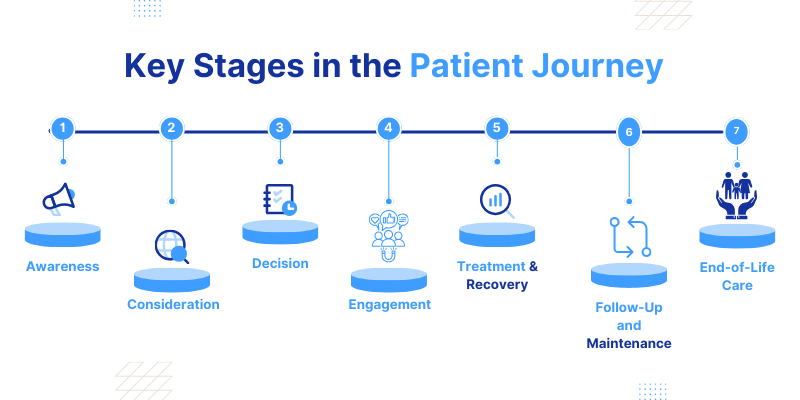
Photo By Wavetec
Conclusion
The P.A.T.H. Strategy underscores the importance of reimagining healthcare to be more inclusive, innovative, and patient-centered. By focusing on these four pillars—Patient-Centered Care, Accessibility, Technological Integration, and Holistic Approaches—healthcare providers can create systems that not only treat diseases but also promote long-term well-being. It is time to chart this transformative path and make healthcare truly patient-first.

 Dr. Hamza Asumah
Leave a comment