
Hamza Asumah, MD MBA
The healthcare industry is undergoing a profound transformation, and at the center of this change is a shift from traditional hospital-based care to home-based healthcare. As healthcare costs continue to rise and patient preferences evolve, entrepreneurs are stepping up to provide innovative solutions that enable patients to receive quality care in the comfort of their own homes. Through telemedicine, remote monitoring, and health wearables, these innovators are reshaping the healthcare delivery model and creating new entrepreneurial opportunities.
The Rise of Telemedicine: A New Era of Virtual Care
Telemedicine has seen rapid adoption in recent years, particularly during the COVID-19 pandemic. What started as an emergency solution to keep patients and providers safe has now become a permanent feature of healthcare. Entrepreneurs are capitalizing on this trend by creating platforms that facilitate virtual consultations between patients and healthcare providers.
Telemedicine not only increases convenience by allowing patients to access care from their homes, but it also opens the door for more inclusive healthcare. For patients in rural or underserved areas, telemedicine eliminates the need to travel long distances to see specialists, helping to bridge the gap in healthcare access. Additionally, telemedicine reduces the burden on healthcare facilities, allowing hospitals to focus on critical cases while non-urgent conditions can be addressed remotely.
Entrepreneurs are tapping into this opportunity by building user-friendly telemedicine platforms that integrate video consultations, AI-driven diagnostics, and electronic prescriptions. These innovations are helping to streamline the healthcare process and improve the patient experience. As patients and providers continue to embrace telehealth, the demand for telemedicine startups will likely grow, creating a wealth of opportunities for entrepreneurs to enter the space.
Remote Monitoring: Empowering Patients to Take Control of Their Health
Remote patient monitoring (RPM) is another major shift in healthcare delivery. RPM allows patients to track their health conditions at home, with data sent directly to healthcare providers in real-time. This technology has been particularly transformative for patients with chronic conditions like diabetes, heart disease, and hypertension, who need ongoing care and monitoring.
Entrepreneurs are building RPM devices and platforms that allow patients to measure vital signs such as blood pressure, glucose levels, heart rate, and oxygen saturation from their homes. These devices often sync with smartphones or wearable apps, which then send the data to medical professionals. With real-time monitoring, healthcare providers can make timely interventions, adjust treatments, and prevent complications, all while reducing the need for frequent hospital visits.
In addition to improving patient outcomes, RPM is helping to reduce healthcare costs by minimizing unnecessary hospital readmissions and ER visits. As the technology behind RPM devices continues to evolve, entrepreneurs are creating more advanced solutions that improve accuracy, ease of use, and data integration. From smart thermometers to wearable ECG monitors, remote monitoring is becoming an essential part of home healthcare, and the opportunities for innovation in this space are limitless.

Photo By The Conversation
Health Wearables: The Intersection of Technology and Wellness
The rise of health wearables has opened up new avenues for patients to actively manage their health on a day-to-day basis. Wearable devices, such as smartwatches, fitness trackers, and patches, track a variety of health metrics, from physical activity and sleep patterns to heart rate, blood oxygen levels, and even stress levels. These devices not only help patients monitor their health but also provide valuable insights to healthcare providers, empowering them to offer more personalized care.
Entrepreneurs in the health wearable space are exploring ways to create even more sophisticated devices that provide continuous monitoring for chronic diseases and acute conditions. For example, wearables that detect early signs of heart attacks or strokes by analyzing heart rhythms and oxygen saturation levels in real-time could save lives and significantly improve patient outcomes.
Moreover, the integration of wearables with AI-powered apps is allowing patients to receive personalized health recommendations based on their real-time data. This creates a new level of engagement between patients and healthcare providers, where data-driven insights lead to better prevention strategies and tailored treatment plans.
For entrepreneurs, the wearables space presents exciting opportunities to innovate with new features, seamless integration with other health systems, and enhanced user experience. As consumers increasingly prioritize their health and wellness, wearables are becoming not just a convenience, but an essential tool for proactive healthcare management.
The Future of Home Healthcare: A Seamless Integration of Technology and Care
The future of healthcare is undoubtedly moving toward home-based care, driven by the convergence of telemedicine, remote monitoring, and wearables. Entrepreneurs are at the forefront of this revolution, creating solutions that bring care closer to patients, reduce the burden on healthcare facilities, and improve the overall patient experience.
However, this shift also requires collaboration across multiple sectors. Healthcare providers, tech companies, insurance companies, and policymakers will need to work together to ensure that home healthcare technology is integrated seamlessly into the larger healthcare system. This includes addressing issues like data interoperability, patient privacy, and reimbursement models, which will all play a critical role in the success of home-based healthcare.
As the industry continues to evolve, the opportunities for entrepreneurs are abundant. Whether developing new telehealth platforms, creating next-generation monitoring devices, or enhancing the capabilities of wearables, the potential to improve patient outcomes and disrupt traditional healthcare models is immense.
Entrepreneurs who are able to combine cutting-edge technology with patient-centered care will not only help redefine healthcare delivery but will also build the next generation of health tech companies that have the power to transform lives. The journey from hospital to home is just beginning, and it is entrepreneurs who are paving the way for a new era of accessible, efficient, and personalized healthcare.
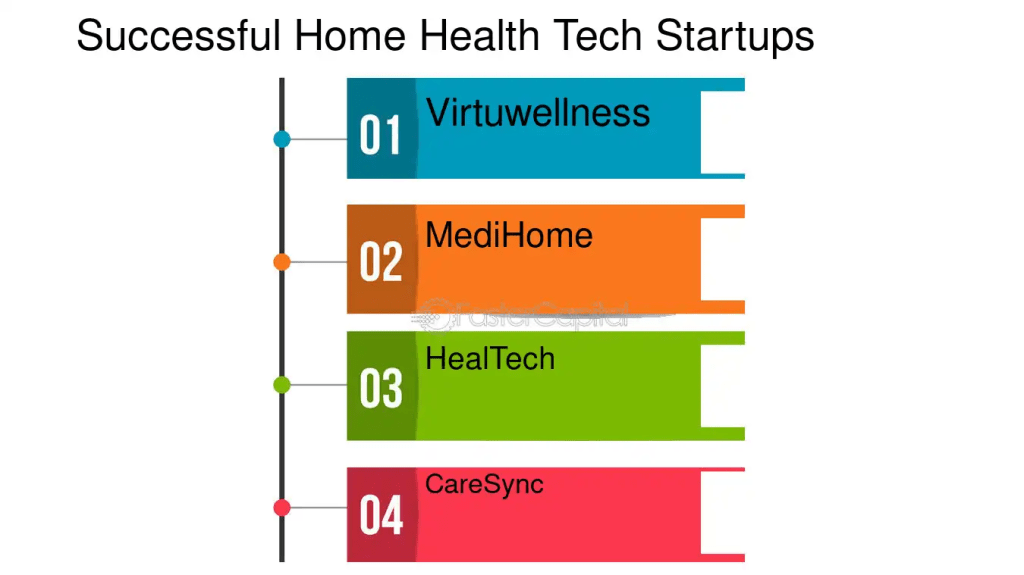
Photo By Faster Capital
The shift from hospital-based care to home healthcare is one of the most significant trends in the healthcare industry today. Entrepreneurs are leading the charge, developing innovative technologies such as telemedicine platforms, remote monitoring devices, and health wearables that are empowering patients to manage their health at home. These technologies are not only improving patient outcomes but are also creating new business opportunities that could reshape the healthcare landscape. As this transformation continues, the future of home healthcare is looking brighter than ever, with endless possibilities for innovation and growth in the years to come

 Dr. Hamza Asumah
Leave a comment