Hamza Asumah, MD, MBA
In the ever-evolving landscape of healthcare, innovation is not just a luxury; it is a necessity. With the H.E.A.L. framework—Harnessing Empathy, Agility, and Leadership—organizations can navigate complexities, address patient needs, and create transformative solutions. Here, we explore how empathy-driven design, agility in action, and essential leadership traits come together to shape the future of healthcare innovation.
Empathy-Driven Design
Healthcare begins with understanding the unique challenges faced by patients, caregivers, and providers. Empathy-driven design is about going beyond surface-level solutions to address these deeply rooted needs.
Why Empathy Matters
Empathy creates a bridge between innovators and the individuals they aim to serve. By putting themselves in the shoes of patients, healthcare professionals can:
- Identify gaps in existing care pathways.
- Develop products that resonate on an emotional and functional level.
- Build trust and foster a sense of connection.
Empathy in Action
Organizations that prioritize empathy often use methodologies like design thinking. This iterative process involves:
- Research: Conducting interviews, shadowing patients, and gathering qualitative insights.
- Synthesis: Translating observations into actionable problem statements.
- Ideation: Brainstorming solutions that directly address user pain points.
Example: A leading telehealth provider revamped its user interface after discovering that elderly patients found their app intimidating. By incorporating larger fonts, simplified navigation, and voice-command features, the company improved accessibility and increased patient satisfaction.
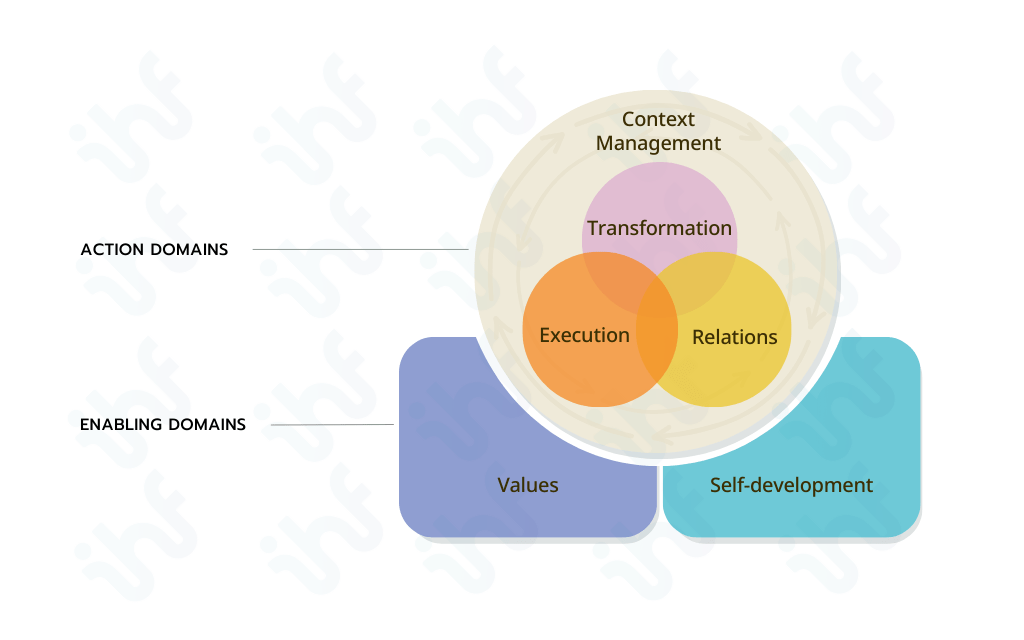
Photo By International Hospital Federation
Agility in Action
The healthcare sector is dynamic, with rapidly changing regulations, emerging technologies, and evolving patient needs. Agility—the ability to adapt quickly—is critical for staying ahead.
The Role of Agile Methodologies
Agile approaches, borrowed from software development, prioritize flexibility and iterative progress. Key principles include:
- Short Iteration Cycles: Delivering small, incremental improvements to test feasibility and receive feedback.
- Cross-Functional Teams: Encouraging collaboration across departments like clinical operations, IT, and marketing.
- Continuous Feedback: Ensuring products evolve based on real-world usage and patient input.
Adapting to Change
Agility enables healthcare innovators to respond swiftly to:
- Public health emergencies (e.g., COVID-19).
- Shifting patient expectations, such as the demand for virtual care.
- Breakthroughs in medical research and technology.
Example: During the pandemic, a health-tech startup used agile methodologies to roll out a contact-tracing app within weeks. The team’s ability to pivot and iterate ensured the tool was user-friendly, effective, and compliant with privacy standards.

Photo By Agile Digest
Leadership Essentials
Guiding healthcare innovations requires visionary leaders who inspire teams, navigate challenges, and foster a culture of creativity.
Key Traits of Effective Leaders
- Emotional Intelligence: Building rapport with teams and stakeholders.
- Resilience: Remaining steadfast in the face of setbacks.
- Strategic Thinking: Balancing immediate priorities with long-term goals.
- Collaboration: Encouraging diverse perspectives to drive holistic solutions.
Empowering Teams
Leadership is not just about direction; it is about empowerment. By delegating authority and trusting teams, leaders can:
- Foster innovation.
- Accelerate decision-making processes.
- Improve morale and job satisfaction.
Example: A hospital CEO implemented an open-door policy and quarterly innovation challenges to engage employees at all levels. The initiative led to several operational improvements, including reduced patient wait times and enhanced care delivery.
Case Studies: Applying the H.E.A.L. Framework
1. Empathy at the Core: IDEO’s Human-Centered Approach
IDEO, a global design company, has revolutionized medical device design by immersing its teams in the patient experience. Their projects, such as creating more intuitive insulin pumps, showcase how empathy-driven design can enhance usability and improve outcomes.
2. Agility in Pandemic Response: Moderna’s Vaccine Development
Moderna’s agile approach to developing a COVID-19 vaccine set a new standard in healthcare. By leveraging mRNA technology and maintaining iterative workflows, the company brought a life-saving product to market in record time.
3. Leadership in Action: Mayo Clinic’s Innovation Center
The Mayo Clinic’s leadership-driven model emphasizes collaboration and continuous learning. Their Innovation Center has launched groundbreaking solutions, including advanced telemedicine services and AI-powered diagnostic tools.
Conclusion
The H.E.A.L. framework is a roadmap for driving meaningful change in healthcare. By integrating empathy, agility, and leadership, organizations can create solutions that not only meet the demands of today but also anticipate the needs of tomorrow. In a world where innovation can save lives, adopting the H.E.A.L. framework is not just an option; it is an imperative.

 Dr. Hamza Asumah
Leave a comment