
Hamza Asumah, MD, MBA
In the ever-evolving landscape of healthcare, entrepreneurs face unique challenges that demand innovative solutions. One approach that has gained traction in recent years is Lean principles—an effective methodology aimed at maximizing value while minimizing waste. Originally developed in manufacturing, Lean principles are now being successfully applied in healthcare settings. In this blog, we’ll explore the five core Lean principles and how they can transform healthcare entrepreneurship.
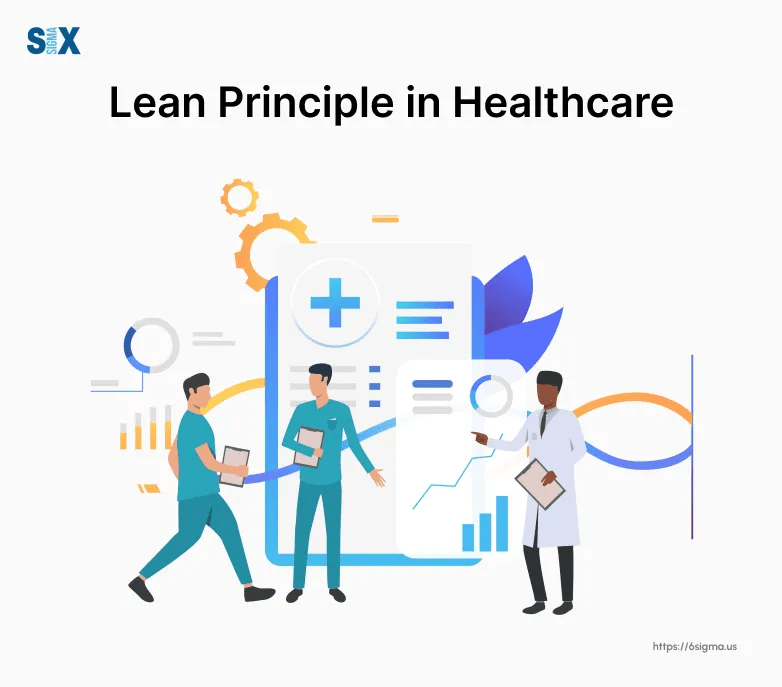
Photo By Six Sigma
1. Value: Understanding What Matters
Defining Value
The first step in Lean methodology is to define what constitutes value from the customer’s perspective. In healthcare, this means identifying what patients truly need and what they are willing to pay for.
Application
To implement this principle, healthcare entrepreneurs should:
– Conduct patient surveys and interviews to uncover their priorities—whether it’s timely access to care, quality treatment, or affordability.
– Design services around these insights. For instance, a telehealth platform can be created to provide immediate access to healthcare providers, addressing the need for timely care.
2. Value Stream: Mapping the Process
Identifying the Value Stream
Once value is defined, the next step is to map out the entire process of delivering that value. This involves identifying all the steps involved in providing a service and distinguishing between value-adding and non-value-adding activities.
Application
Healthcare entrepreneurs can:
– Create visual representations of patient flow—from appointment scheduling to discharge—to identify bottlenecks or delays.
– Focus on eliminating wasteful steps (like unnecessary paperwork) that do not contribute to patient care, thereby enhancing efficiency.
3. Flow: Ensuring Smooth Operations
Creating Continuous Flow
The flow principle emphasizes organizing processes so that value-adding steps occur in a seamless, uninterrupted manner.
Application
To enhance flow:
– Streamline operations by implementing integrated systems that allow for easy transitions between different stages of care. For instance, using electronic health records (EHR) can facilitate immediate access to patient information.
– Balance workloads among staff to prevent bottlenecks, ensuring that patient care is delivered efficiently.

Photo By LinkedIn
4. Pull: Demand-Driven Services
Implementing the Pull Principle
In Lean, the pull principle focuses on producing only what is needed when it is needed, based on actual demand rather than forecasts.
Application
Healthcare entrepreneurs can:
– Establish scheduling systems that respond to real-time patient demand, reducing wait times and improving service delivery.
– Manage inventory of medical supplies based on current usage patterns, minimizing waste and lowering costs.
5. Perfection: A Commitment to Continuous Improvement
Striving for Perfection
The final Lean principle encourages a culture of relentless improvement, where organizations constantly seek to eliminate waste and enhance processes.
Application
To foster a culture of perfection:
– Encourage staff to participate in continuous improvement initiatives (known as Kaizen), where they identify inefficiencies and suggest enhancements.
– Regularly collect and analyze patient feedback to drive improvements in service delivery, ensuring that the organization remains responsive to patient needs.
Benefits of Lean Principles in Healthcare Entrepreneurship
– Improved Patient Outcomes: By focusing on value and eliminating waste, organizations can enhance the quality of care and patient satisfaction.
– Increased Efficiency: Streamlining processes leads to reduced operational costs and better resource utilization.
– Employee Engagement: Lean principles empower employees to contribute to process improvements, leading to higher job satisfaction and morale.
– Competitive Advantage: Organizations that effectively implement Lean principles can differentiate themselves by delivering superior value and efficiency.
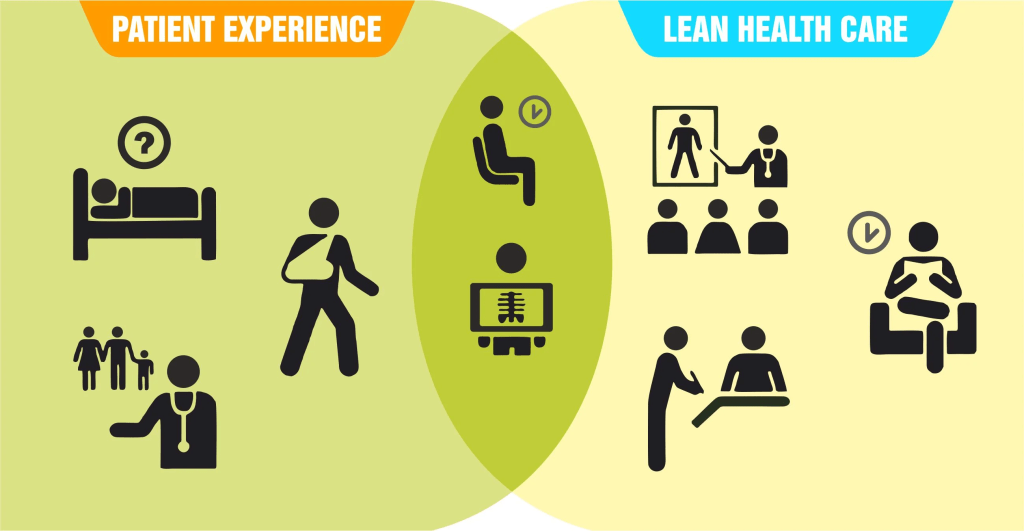
Photo By Cornerstone Consulting Organization
Adopting Lean principles in healthcare entrepreneurship offers a powerful framework for improving efficiency, quality, and patient satisfaction. By focusing on value, optimizing processes, and fostering a culture of continuous improvement, healthcare entrepreneurs can navigate challenges and seize opportunities in this dynamic industry. Lean isn’t just a methodology; it’s a mindset that can lead to sustainable growth and innovation in healthcare. Embrace Lean principles and watch your healthcare venture thrive!
Please leave your comments below

 Dr. Hamza Asumah
Leave a comment