
Hamza Asumah, MD, MBA
In the rapidly evolving landscape of healthcare, businesses must remain adaptable to survive and thrive. A pivot, or a fundamental change in business strategy, can often be the key to unlocking new opportunities and ensuring long-term success. But how do you know when it’s time to pivot, and what steps should you take to ensure a successful transition? This blog post delves into the signs indicating a need for change, how to execute a pivot effectively, and the psychological barriers that might impede this crucial decision.

Photo By LinkedIn
Recognizing the Need to Pivot
1. Market Shifts: One of the most significant indicators that a pivot might be necessary is a change in the market landscape. This can include new regulations, technological advancements, or shifts in consumer behavior. For example, the rise of telemedicine during the COVID-19 pandemic forced many healthcare providers to pivot to digital solutions.
2. Stagnant or Declining Growth: If your business is experiencing stagnant or declining growth despite efforts to innovate or market, it might be time to reassess your current strategy. Consistent underperformance compared to competitors is a red flag.
3. Customer Feedback: Listening to your customers can provide crucial insights. If there is continuous feedback indicating that your offerings do not meet their needs or expectations, a strategic pivot can help realign your business with market demands.
4. Competitive Pressure: If competitors are gaining ground with new products or services that you can’t match, it may be time to pivot. This could involve adopting new technologies or shifting your business model to stay relevant.
5. Internal Challenges: Persistent internal challenges such as high employee turnover, low morale, or operational inefficiencies can signal the need for a strategic shift. These issues often indicate misalignment between the company’s goals and its current operations.
How to Successfully Pivot
1. Conduct Thorough Research: Before making any changes, undertake comprehensive market research. Understand the trends, customer needs, and potential opportunities. This data-driven approach will help you make informed decisions.
2. Engage with Stakeholders: Communicate with your team, investors, and partners about the potential pivot. Transparency and collaboration can help garner support and provide diverse perspectives on the proposed changes.
3. Develop a Clear Vision: Define what the pivot will look like and set clear, achievable goals. This vision should align with your company’s core values and long-term objectives.
4. Create a Strategic Plan: Outline the steps needed to implement the pivot, including timelines, resources required, and potential risks. A detailed plan will serve as a roadmap for the transition.
5. Pilot and Iterate: Before fully committing to the pivot, consider launching a pilot program to test the new strategy. Gather feedback, analyze results, and make necessary adjustments to refine your approach.
6. Invest in Training and Development: Ensure your team has the skills and knowledge required to support the new direction. Training and development programs can facilitate a smoother transition and empower employees to contribute effectively.
7. Monitor and Adapt: After implementing the pivot, continuously monitor its progress and be prepared to make further adjustments. Flexibility and responsiveness are key to navigating the uncertainties of a new business direction.

Photo By LinkedIn
Psychological Barriers to Pivoting
1. Sunk Cost Fallacy: This cognitive bias leads individuals to continue investing in a failing strategy because of the resources already committed. Overcoming this requires focusing on future potential rather than past investments.
2. Fear of Failure: The fear of making the wrong decision can paralyze leaders, preventing them from taking necessary action. Building a culture that views failure as a learning opportunity can help mitigate this fear.
3. Status Quo Bias: People often prefer to maintain the current situation, even if change is needed. Encouraging open-mindedness and a willingness to adapt can counteract this bias.
4. Overconfidence: Sometimes, leaders may overestimate their current strategy’s effectiveness, leading to resistance to change. Regularly seeking external feedback can provide a reality check and promote humility.
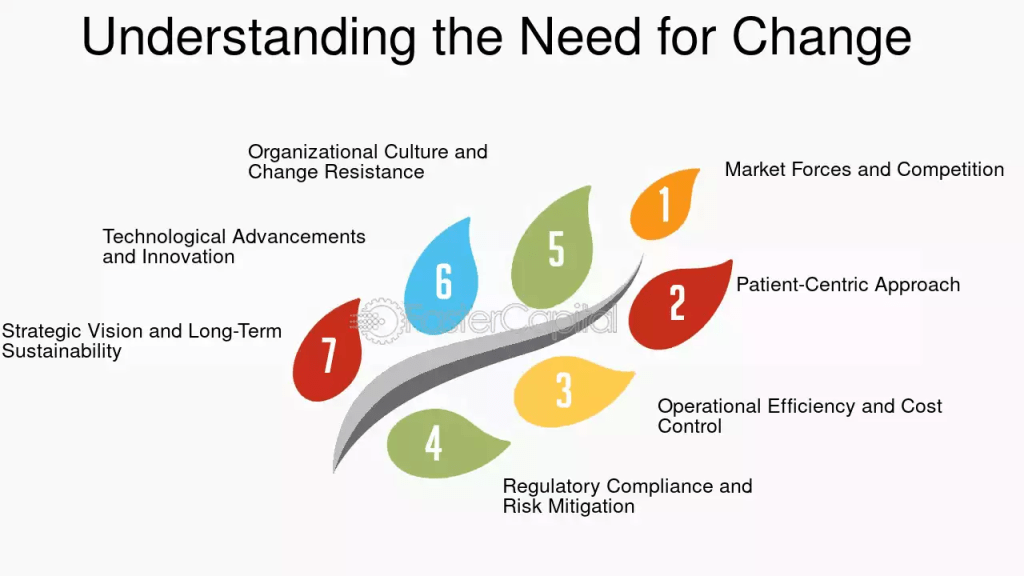
Photo By Faster Capital
Pivoting a healthcare business is not a decision to be taken lightly. It requires careful consideration, strategic planning, and the courage to embrace change. By recognizing the signs that a pivot is needed, executing a well-thought-out transition, and addressing the psychological barriers that may stand in the way, healthcare leaders can position their organizations for sustained success in an ever-changing industry landscape. Embrace the potential of a pivot to not only survive but thrive in the dynamic world of healthcare.
Please leave your comments below

 Dr. Hamza Asumah
Leave a comment