Hamza Asumah, MD, MBA
Healthcare accessibility is a critical issue worldwide, sparking debates on whether universal healthcare is the optimal solution. Universal healthcare aims to provide medical services to all citizens, regardless of their financial status. This blog explores the feasibility and effectiveness of universal healthcare systems, compares different countries’ approaches, and proposes a mixed-model approach. We will also analyze the potential economic impact on startups and innovation.

Photo By Scot Scoop News
Understanding Universal Healthcare
Universal healthcare systems are designed to ensure that everyone has access to necessary medical services without suffering financial hardship. These systems are typically funded through taxation and government budgets, aiming for equitable access to healthcare services for all citizens. However, the implementation and success of such systems vary significantly across countries.
Comparing Global Healthcare Systems
The United Kingdom
The UK operates the National Health Service (NHS), a publicly funded system providing healthcare to all residents. The NHS is praised for its comprehensive coverage and low cost to patients. However, it faces challenges such as long waiting times and funding pressures.
Canada
Canada’s healthcare system is publicly funded but privately delivered. Each province administers its own healthcare, ensuring coverage for essential services. While Canadians enjoy universal access, the system also suffers from long wait times and limited availability of specialized services.
Germany
Germany uses a multi-payer system, combining statutory health insurance with private options. This system offers flexibility and comprehensive coverage, yet it requires significant administrative resources and can lead to disparities in service levels between public and private sectors.
The United States
The US does not have a universal healthcare system, relying instead on a mix of private insurance, employer-provided plans, and government programs like Medicare and Medicaid. This results in high healthcare costs, significant numbers of uninsured citizens, and disparities in access to care.

Photo By Trivitron Healthcare
The Feasibility and Effectiveness of Universal Healthcare
Universal healthcare systems have proven effective in providing broad access to medical services and improving public health outcomes. However, their feasibility depends on several factors:
– Economic Resources: Countries with robust economies can better sustain universal systems through taxation and budgeting.
– Political Will: Implementing and maintaining universal healthcare requires strong political commitment and public support.
– Administrative Efficiency: Efficient management is crucial to minimize waste and ensure resources are directed where needed.
Proposing a Mixed-Model Approach
A mixed-model approach could offer a balanced solution, combining elements of universal coverage with private sector involvement. This model might include:
– Basic Universal Coverage: Ensure all citizens have access to essential healthcare services through public funding.
– Private Insurance Options: Allow individuals to purchase additional coverage for specialized or faster services.
– Incentives for Innovation: Encourage private sector innovation through tax breaks and grants for healthcare startups.
Economic Impact on Startups and Innovation
Universal healthcare can have both positive and negative effects on startups and innovation:
Positive Impacts
– Market Stability: A healthier population can contribute to a more stable and productive economy.
– Research and Development: Universal systems can create demand for cost-effective medical technologies and treatments, fostering innovation.
Negative Impacts
– Regulatory Burdens: Increased regulation may stifle innovation and slow the introduction of new technologies.
– Funding Challenges: Government focus on cost control could limit financial incentives for high-risk, high-reward investments.
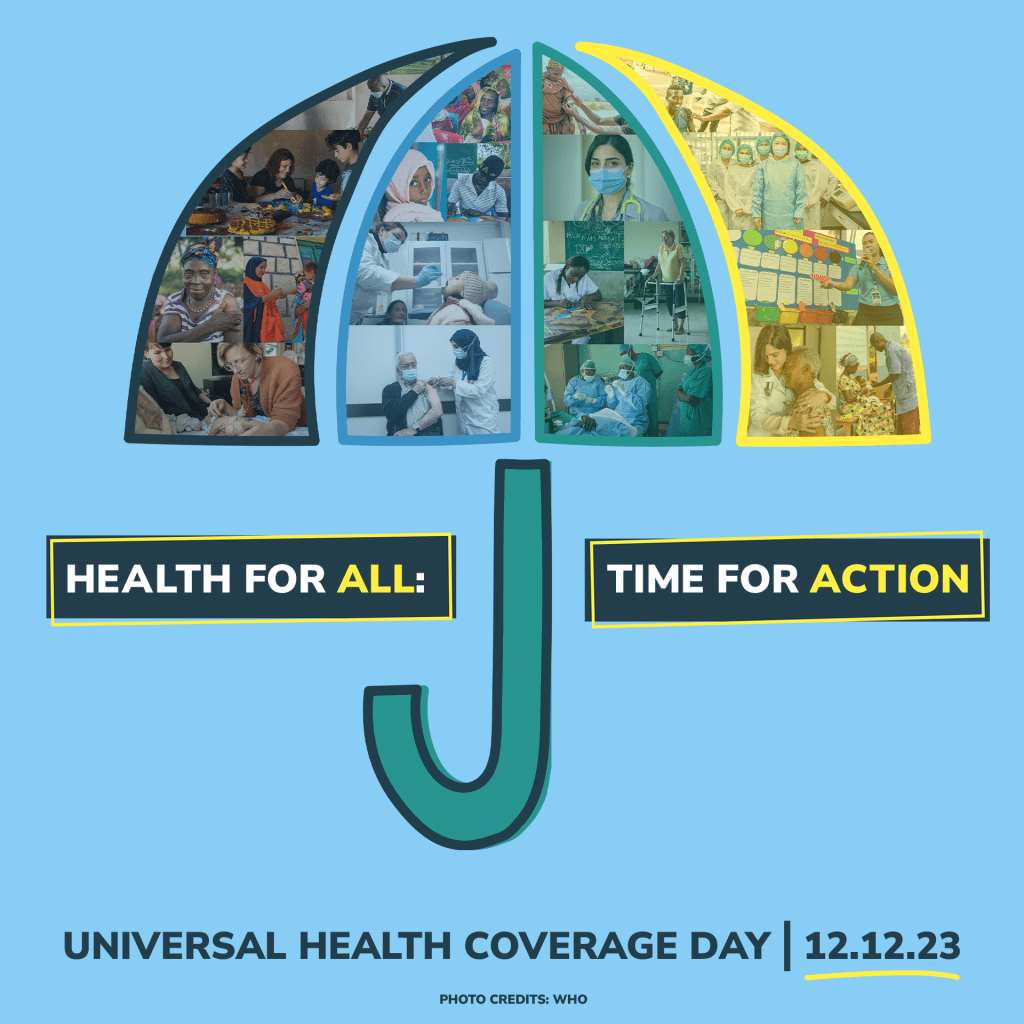
Photo By United Nations
Universal healthcare offers a promising path toward equitable healthcare access, but its implementation must be tailored to each country’s unique circumstances. A mixed-model approach could provide a balanced solution, leveraging public coverage and private innovation. As we continue to address healthcare accessibility, it is crucial to consider the economic implications and strive for systems that support both public health and technological progress.
Please leave your comments below

 Dr. Hamza Asumah
Leave a comment