Hamza Asumah
In today’s digital age, social media has become an integral part of our daily lives, shaping how we connect, share, and receive information. Among its many influences, social media plays a pivotal role in the realm of health trends. This dual-edged sword can both promote awareness and spread misinformation, raising crucial questions about the responsibility of these platforms in managing health-related content.
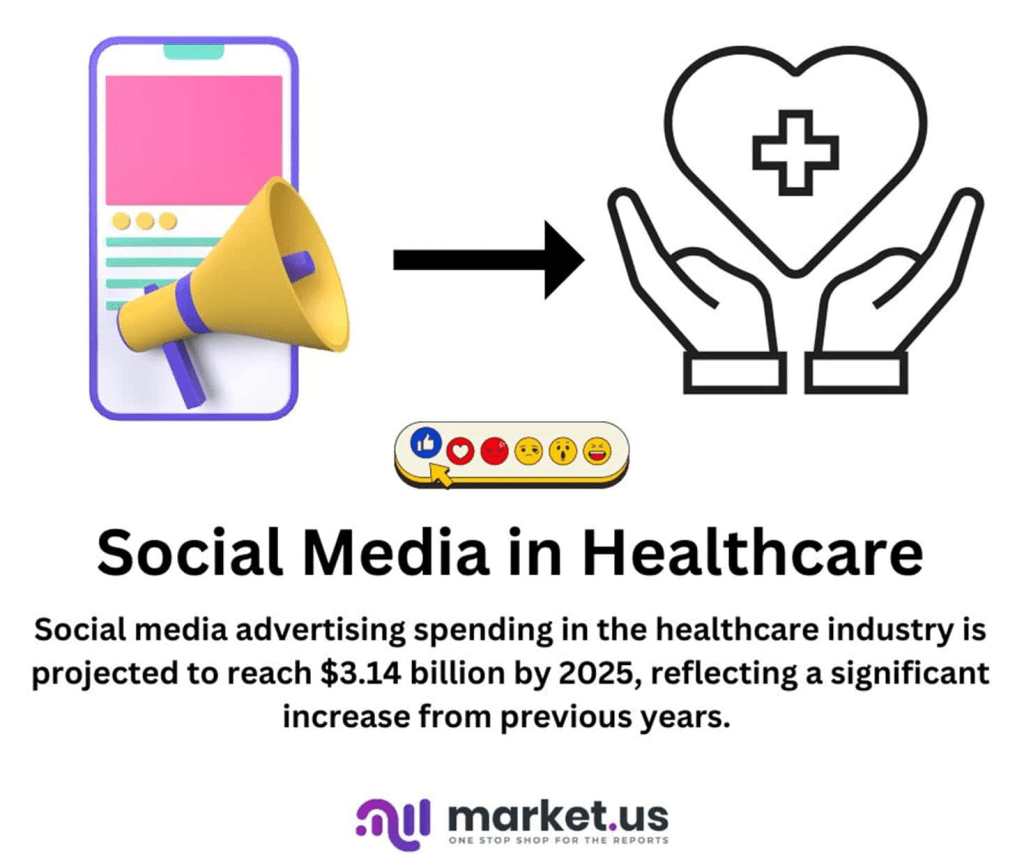
Photo By Market us Media
The Power of Awareness
Social media has revolutionized the way health information is disseminated. It offers a platform for public health organizations, experts, and advocates to reach wider audiences quickly and effectively. Campaigns promoting mental health awareness, vaccination drives, and healthy lifestyle choices have gained significant traction, thanks to social media.
1. Accessibility and Reach: Social media breaks geographical barriers, allowing people from all corners of the world to access vital health information. It provides a voice to marginalized communities, facilitating discussions that may have been previously inaccessible.
2. Engagement and Support: Platforms like Facebook, Instagram, and Twitter enable users to engage with content, share personal stories, and create support networks. This sense of community can be empowering, especially for individuals dealing with chronic illnesses or mental health issues.
3. Real-Time Updates: During health crises, such as the COVID-19 pandemic, social media has been instrumental in delivering real-time updates and guidelines to the public.
The Threat of Misinformation
However, the same features that make social media a powerful tool for awareness also make it a breeding ground for misinformation.
1. Viral Spread of False Information: Misinformation can spread rapidly on social media, often outpacing accurate information. This is particularly dangerous in health contexts where false claims about treatments, vaccines, or diseases can have dire consequences.
2. Echo Chambers and Confirmation Bias: Algorithms that tailor content to user preferences can create echo chambers, reinforcing users’ existing beliefs and making them more susceptible to misinformation.
3. Lack of Regulation: Unlike traditional media, social media lacks stringent regulatory oversight, allowing anyone to publish and promote unverified health claims.
Photo By The Probe
The Role and Responsibility of Platforms
Given the significant impact of social media on health trends, there’s an ongoing debate about the responsibility of these platforms in curbing misinformation while promoting accurate health information.
1. Content Moderation: Platforms have a responsibility to implement robust content moderation policies to identify and remove false health information. This requires a delicate balance to avoid infringing on freedom of expression.
2. Promoting Credible Sources: Social media companies can prioritize content from verified health organizations and experts, making accurate information more visible to users.
3. User Education: Educating users about the dangers of misinformation and how to identify trusted sources is crucial. Platforms can play a role in promoting digital literacy initiatives.
4. Collaboration with Health Authorities: By collaborating with public health authorities, social media platforms can ensure that their users receive timely and accurate health information during emergencies.
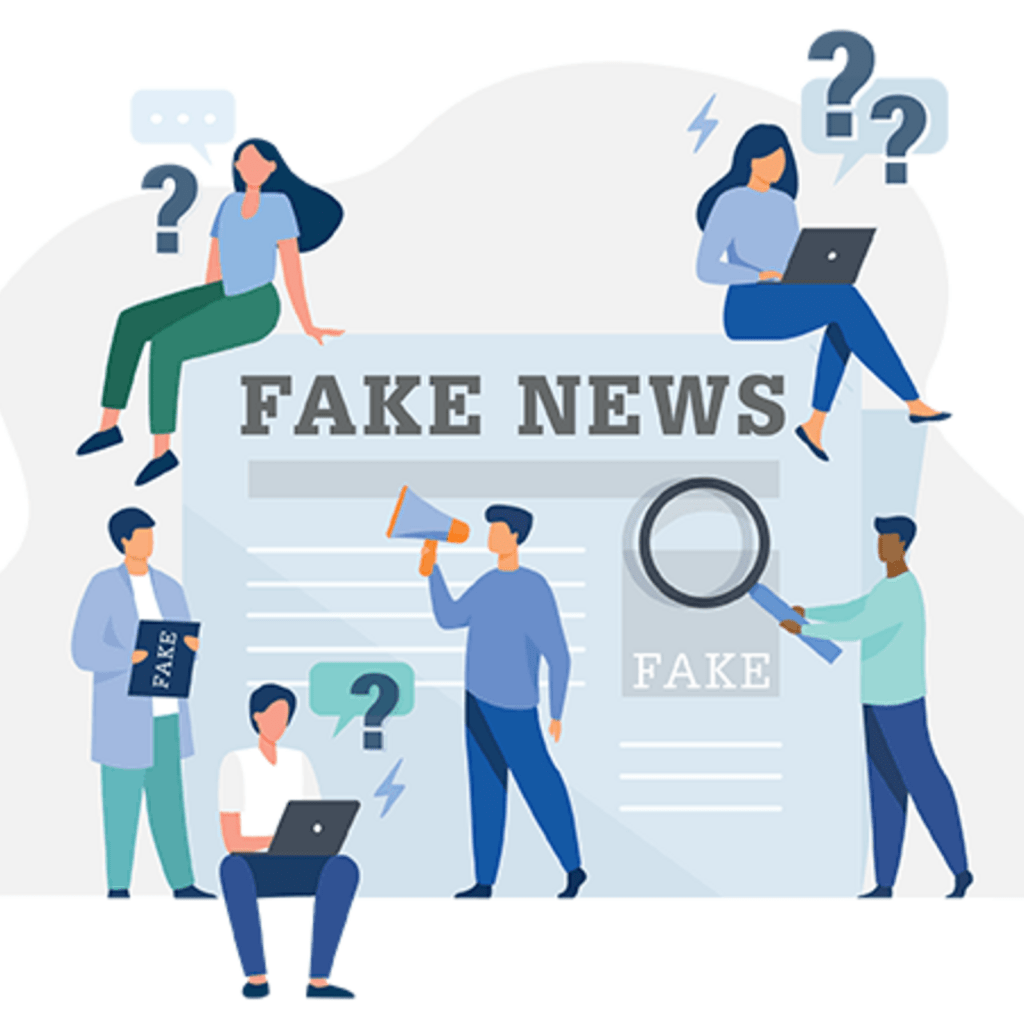
Photo By The Pathologist
The impact of social media on health trends is undeniably profound. While it offers unprecedented opportunities for raising awareness and fostering community support, it also presents significant challenges in the form of misinformation. As social media continues to evolve, the responsibility lies not only with the platforms but also with users, health professionals, and policymakers to navigate this complex landscape wisely. Ensuring that accurate health information prevails in the digital age is a collective effort, requiring vigilance, education, and cooperation across all sectors.
Please leave your comments below

 Dr. Hamza Asumah
Leave a comment