
Hamza Asumah, MD, MBA
In recent years, the concept of gamification has gained significant traction across various sectors, including healthcare. By incorporating game-like elements into health interventions, the aim is to enhance patient engagement, motivation, and overall outcomes. However, this approach raises important ethical questions, particularly concerning manipulation and the impact on patient autonomy. In this blog, we will explore these ethical dilemmas and discuss ways to navigate them responsibly.

Photo By LinkedIn
Understanding Gamification in Health
Gamification involves integrating elements like point scoring, competition, and rewards into non-game contexts. In healthcare, this might mean using apps that track physical activity, offer rewards for reaching health goals, or create competitive environments to encourage healthier behaviors. The primary goal is to make health interventions more engaging and effective.
Ethical Risks in Gamification
1. Manipulation and Consent
One of the primary ethical concerns is the potential for manipulation. Gamification strategies can be highly persuasive, sometimes encouraging behaviors that individuals might not choose if fully informed. This raises questions about informed consent. Are users truly aware of how their data is being used and the psychological techniques at play? Ensuring transparency and obtaining explicit consent is crucial to maintaining ethical standards.
2. Impact on Patient Autonomy
Patient autonomy is a fundamental ethical principle in healthcare. Gamification, by design, can influence decision-making processes, potentially undermining autonomy. For instance, if a patient is driven to make health decisions based on rewards rather than personal health goals or medical advice, it can lead to unintended consequences. It is essential that gamified interventions support, rather than override, patient autonomy.
3. Equity and Accessibility
Gamification could inadvertently widen health disparities. Not all patients have equal access to technology or the ability to engage with gamified platforms. This could disadvantage certain groups, leading to inequitable health outcomes. Designing inclusive systems that cater to diverse populations is vital.
4. Psychological Effects
While gamification can motivate positive behavior changes, it may also lead to negative psychological effects, such as stress, anxiety, or an unhealthy obsession with tracking progress. It is important to balance engagement with mental well-being, ensuring that the game-like elements do not become a source of pressure or harm.
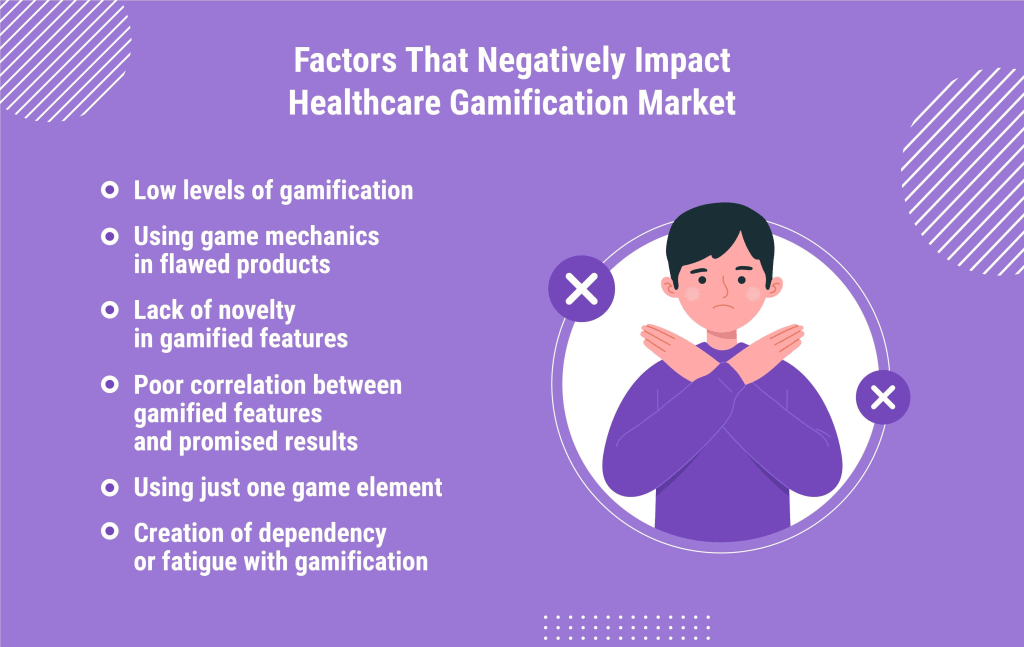
Photo By Emerline
Navigating Ethical Gamification
To address these ethical challenges, several principles can guide the responsible use of gamification in healthcare:
1. Transparency and Education
Healthcare providers and developers should be transparent about how gamification works, including the data collected and the techniques used. Educating patients on these aspects can empower them to make informed choices.
2. Prioritizing Autonomy
Systems should be designed to support patient autonomy, allowing for personalized experiences that align with individual health goals. Patients should have control over their engagement with gamified elements.
3. Ensuring Inclusivity
Efforts must be made to ensure that gamified health interventions are accessible to all, regardless of socio-economic status, age, or technological proficiency. This includes providing alternative options for those unable to participate in digital gamification.
4. Monitoring and Evaluation
Regularly assessing the psychological and behavioral impacts of gamified interventions is crucial. This includes gathering feedback from users and making necessary adjustments to minimize any negative effects.

Photo By Relevant Software
The gamification of health holds great promise for enhancing patient engagement and improving outcomes. However, navigating the ethical risks requires careful consideration and a commitment to patient-centered care. By prioritizing transparency, autonomy, inclusivity, and continuous evaluation, healthcare providers can harness the benefits of gamification while upholding the highest ethical standards. As this field evolves, ongoing dialogue and research will be essential to ensure that gamified health interventions serve the best interests of patients.
Please leave comments below

 Dr. Hamza Asumah
Leave a comment