
Hamza Asumah, MD MBA
As the healthcare industry undergoes rapid transformation, automation and robotics are at the forefront of this evolution. These technologies promise to redefine how care is delivered, presenting both challenges and opportunities that could reshape the workforce landscape. The question arises: Is automation a threat to jobs and human interaction, or does it offer a path to greater efficiency and improved patient care? Let’s delve into the complexities of this pivotal moment in healthcare.
The Current Landscape
Automation in healthcare is not a futuristic concept; it is already in motion. From electronic health records (EHRs) to advanced diagnostic tools and robotic surgeries, technology is woven into the fabric of modern medical practice. Yet, the extent and nature of its impact on the workforce remain subjects of debate.
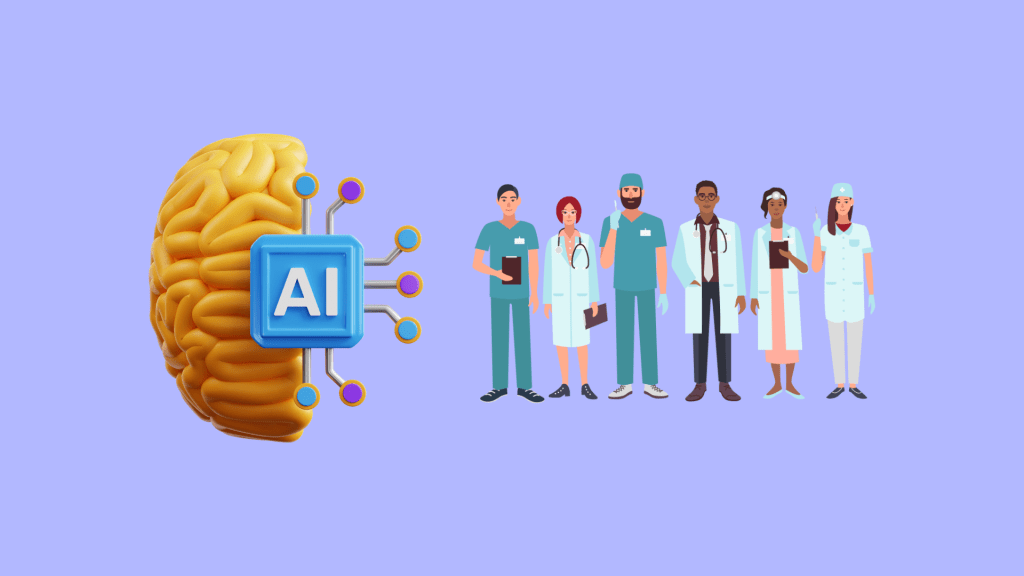
Photo By HS Insider
Potential Threats: Job Losses and Reduced Human Interaction
1. Job Displacement Concerns
Administrative Roles: Automation can handle repetitive tasks such as scheduling, billing, and data entry more efficiently than human workers. This shift poses a direct threat to administrative roles, which may see significant reductions.
Routine Clinical Tasks: Robots and AI can perform tasks like drawing blood, dispensing medication, and even basic diagnostics. This capability could displace roles traditionally filled by nurses and technicians.
2. Reduced Human Interaction
Patient Experience: Healthcare is inherently human-centric, relying on compassion and empathy. There is a concern that increasing reliance on machines could depersonalize patient care, leading to a sterile environment where patients feel more like data points than individuals.
Communication Gaps: As AI systems take over tasks like initial patient assessments or monitoring, the subtle cues that healthcare professionals pick up through direct interaction may be missed, potentially affecting the quality of care.
Opportunities: Efficiency and Enhanced Care Delivery
1. Improved Efficiency
Streamlined Operations: Automation can reduce administrative burdens, allowing healthcare professionals to focus more on patient care. AI-driven systems can optimize scheduling, manage supply chains, and ensure compliance with regulatory standards efficiently.
Enhanced Diagnostics: Machine learning algorithms can analyze medical images and patient data faster and often more accurately than humans, leading to quicker diagnoses and treatment plans.
2. Enhanced Patient Care
Precision and Personalization: Robotics in surgery can enhance precision, reduce recovery times, and minimize errors. AI can personalize treatment plans by analyzing vast amounts of data to recommend tailored therapies.
Extended Access: Telemedicine and remote monitoring technologies can reach underserved populations, providing care to those who might otherwise lack access due to geographic or economic barriers.
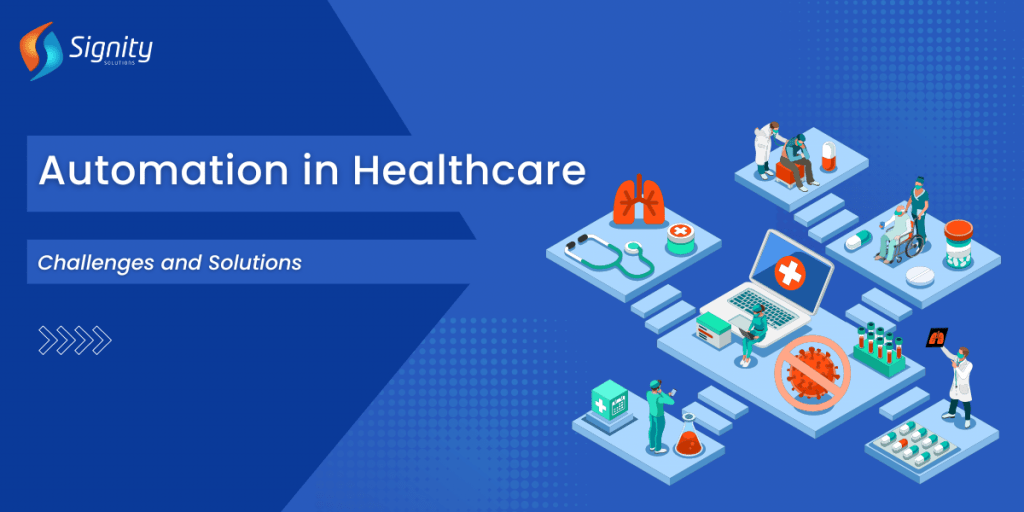
Photo By Signify Solutions
Striking a Balance: Human and Machine Collaboration
1. Augmenting Human Capabilities
Rather than replacing humans, automation can augment the capabilities of healthcare professionals. For instance, AI can assist doctors by providing data-driven insights, supporting decision-making processes without removing human judgment and empathy.
2. Reskilling and Education
The workforce must adapt to the integration of technology. Continuous education and reskilling programs will be essential to empower healthcare workers to work alongside these technologies effectively. This shift can lead to the creation of new roles focused on managing and interpreting AI tools.
3. Policy and Ethical Considerations
Ensuring ethical AI use and patient data protection is crucial. Policymakers and healthcare leaders must establish frameworks that ensure transparency, accountability, and equity in the deployment of automation technologies. This involves setting standards for data privacy, addressing biases in AI algorithms, and maintaining human oversight.
The Road Ahead: Strategic Implementation
1. Incremental Integration
Gradual implementation of automation allows for testing and refining technologies while minimizing disruption. This approach enables healthcare facilities to identify areas where automation can provide the greatest benefit without overwhelming the system.
2. Collaborative Ecosystems
Building ecosystems where technology developers, healthcare providers, and policymakers collaborate can drive innovation in a way that aligns with the needs of both patients and professionals. This collaboration ensures that technological advancements are practical and patient-centered.
3. Focus on Patient-Centered Care
At the core of any technological integration should be a focus on enhancing patient outcomes and experiences. Automation should complement the human touch, ensuring that patients receive empathetic and personalized care.

Photo By Forbes
The future of workforce automation in healthcare is neither a pure threat nor an unmitigated opportunity. It represents a complex interplay of potential risks and benefits. By embracing automation thoughtfully, the healthcare sector can mitigate job displacement while enhancing the quality and accessibility of care.
Ultimately, the successful integration of automation in healthcare hinges on a balanced approach that values human expertise and empathy alongside technological advancements. With strategic planning, continuous education, and ethical oversight, automation can transform healthcare into a more efficient, equitable, and patient-focused system. This transformation offers a promising future where technology and humanity coexist to deliver the highest standards of care.
Please leave your comments below

 Dr. Hamza Asumah
Leave a comment