
Hamza Asumah MD, MBA
In recent years, medical tourism has emerged as a significant trend, with patients traveling across borders to seek healthcare services. This phenomenon raises a complex web of economic opportunities and ethical challenges. While the allure of affordable, high-quality care is undeniable, the impact on local healthcare systems and ethical considerations cannot be overlooked.
The Allure of Medical Tourism
Medical tourism is driven by several factors: cost savings, shorter waiting times, and access to treatments not available in one’s home country. Countries like India, Thailand, Mexico, and Costa Rica have become popular destinations, offering services ranging from dental work to complex surgeries at a fraction of the cost in Western nations.

Photo By the Economic Times
Patient Stories
Consider the case of John, a U.S. citizen who traveled to India for a hip replacement surgery. Faced with a staggering $50,000 bill at home, he opted for a highly accredited hospital in India, where he received comparable care for just $7,000, including travel and accommodation. Such stories highlight why medical tourism is appealing, yet they also underscore the disparities in global healthcare costs.
Economic Benefits
Boost to Host Economies
Countries that attract medical tourists often see significant economic benefits. The influx of foreign patients contributes to the local economy through healthcare spending, accommodation, and tourism-related activities. For instance, India’s medical tourism industry is projected to grow to $9 billion by 2026, creating jobs and stimulating local businesses.
Healthcare Infrastructure
Investment in healthcare infrastructure to attract international patients can also benefit local populations. Improved facilities, advanced technology, and better-trained professionals can elevate the standard of care for all.

Photo By LinkedIn
Ethical Concerns
Impact on Local Healthcare Systems
While the economic benefits are clear, the ethical implications are complex. One major concern is that prioritizing international patients can strain local healthcare resources. In countries with already overburdened systems, the diversion of resources to cater to foreigners can exacerbate inequities in access to care for local populations.
Quality and Safety
The quality and safety of procedures performed abroad can vary widely. Patients may face risks related to language barriers, differing medical standards, and the lack of follow-up care once they return home. These factors raise ethical questions about patient safety and informed consent.
Exploitation and Inequality
There’s also the risk of exploitation, where poorer countries may prioritize medical tourists over their citizens due to financial incentives. This can lead to a two-tier system where only those who can afford to pay receive timely and quality care.
Balancing Benefits and Ethical Considerations
To address these challenges, a balanced approach is essential. Here are some proposed regulations:
International Accreditation
Implementing standardized international accreditation for hospitals serving medical tourists can help ensure quality and safety. This would reassure patients and maintain high healthcare standards globally.
Transparent Pricing and Informed Consent
Clear and transparent pricing, along with comprehensive informed consent processes, can help patients make better-informed decisions and protect them from unexpected costs and complications.
Investment in Local Healthcare
Governments should reinvest a portion of the profits from medical tourism into local healthcare systems. This could help improve access to care for residents and reduce inequalities.
Ethical Guidelines
Developing ethical guidelines and frameworks for medical tourism can help address issues of exploitation and resource allocation. This includes prioritizing local needs and ensuring that international patients do not disproportionately consume resources.
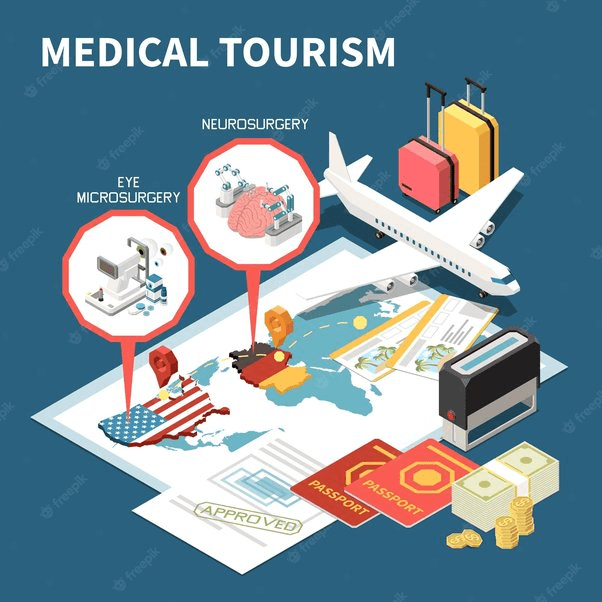
Photo By Quora
Medical tourism presents a tantalizing economic opportunity but is fraught with complex ethical challenges that require careful navigation. While it offers significant economic benefits to host countries and affordable healthcare options for patients, the potential negative impact on local healthcare systems and ethical considerations cannot be ignored.
Balancing these factors requires a concerted effort from governments, healthcare providers, and international organizations. By implementing robust regulations, ensuring transparency, and prioritizing ethical practices, we can work towards a medical tourism industry that benefits all stakeholders without compromising the quality and accessibility of care for local populations.
As the world becomes increasingly interconnected, addressing the intricacies of medical tourism will be crucial in shaping a fair and equitable global healthcare landscape. The challenge lies in harnessing its potential while safeguarding the rights and needs of all patients, both local and international.
Please leave your comments below

 Dr. Hamza Asumah
Leave a comment