
Hamza Asumah, MD, MBA
In the rapidly evolving world of digital health, data privacy has emerged as a critical issue. As healthcare systems increasingly rely on digital technologies to store and process patient information, questions about data ownership, privacy, and security have become more pressing than ever. This blog post explores the contentious issue of data ownership, examines current data privacy laws, proposes a blockchain-based model for data security, and discusses the ethical implications of data monetization.

Photo By mobisoft Infotech
Understanding Data Ownership in Digital Health
In traditional healthcare settings, patient data is typically considered to be owned by healthcare providers. However, with the rise of digital health technologies, such as electronic health records (EHRs), wearable devices, and health apps, the lines of ownership have become blurred. Patients often assume they own their data, but the entities that collect, store, and analyze this information often have significant control over its use.
Current Data Privacy Laws
The landscape of data privacy laws varies significantly across different jurisdictions. Here’s a brief overview of some key regulations:
1. Health Insurance Portability and Accountability Act (HIPAA) – In the United States, HIPAA provides a framework for the protection of patient data. It ensures that patients have rights to access their medical records and sets standards for the protection of sensitive health information. However, HIPAA primarily applies to healthcare providers, health plans, and healthcare clearinghouses, leaving many digital health technologies outside its scope.
2. General Data Protection Regulation (GDPR) – In the European Union, GDPR offers robust protections for personal data, including health information. It grants individuals rights over their data, such as the right to access, correct, and delete information. GDPR’s principles of transparency, data minimization, and purpose limitation are crucial for digital health.
3. Personal Information Protection and Electronic Documents Act (PIPEDA) – In Canada, PIPEDA governs the collection, use, and disclosure of personal information in the course of commercial activities, including digital health.
Despite these regulations, the question of who truly owns patient data remains unresolved. Patients often lack clarity and control over their data, leading to calls for more patient-centric data ownership models.
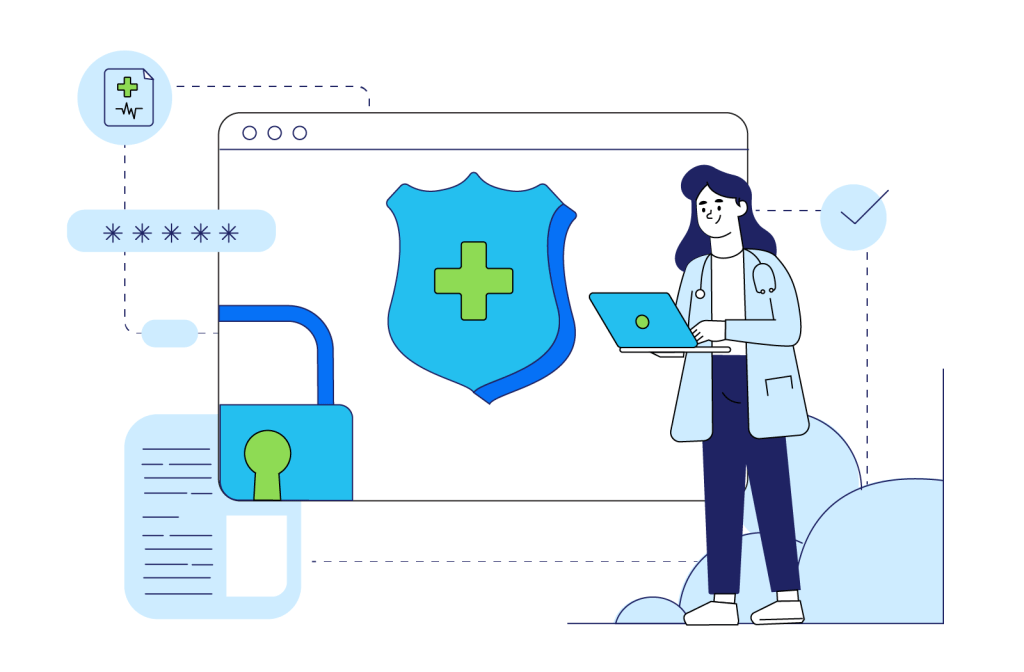
Photo By ZoomRx
A Blockchain-Based Model for Data Security
Blockchain technology offers a promising solution to the challenges of data privacy and ownership in digital health. Here’s how a blockchain-based model could work:
Decentralization
Blockchain’s decentralized nature ensures that no single entity has control over the entire data set. Patients can have more control over their data, granting access to healthcare providers and researchers as needed.
Transparency and Immutability
Blockchain provides a transparent and immutable ledger of all transactions. Patients can track who has accessed their data and for what purpose, ensuring accountability and trust.
Smart Contracts
Smart contracts can automate permissions and enforce data usage policies. Patients can set conditions under which their data can be accessed, ensuring compliance with their preferences.
Security
Blockchain’s cryptographic features provide robust security, reducing the risks of data breaches and unauthorized access.
Ethical Implications of Data Monetization
As patient data becomes increasingly valuable, the ethical implications of data monetization must be carefully considered. Here are some key issues:
Informed Consent
Patients must be fully informed about how their data will be used and the potential for monetization. Consent should be an ongoing process, with patients able to withdraw their data at any time.
Ethical Implications of Data Monetization (Continued)
Fair Compensation
If patient data is monetized, considerations must be made for fair compensation. Patients should potentially receive a share of the profits derived from their data, acknowledging their role as the primary source.
Equity and Access
There’s a risk that monetizing patient data could exacerbate existing inequalities. Wealthier individuals might afford better privacy protections, while marginalized communities might be more vulnerable to exploitation. A fair data economy should ensure equitable access and benefits for all.
Data Use for Public Good
While monetization is a concern, the potential for data to drive public health advancements should not be overlooked. Clear frameworks must exist to ensure that data used for research and public health initiatives is handled ethically, with patient consent and transparent goals.
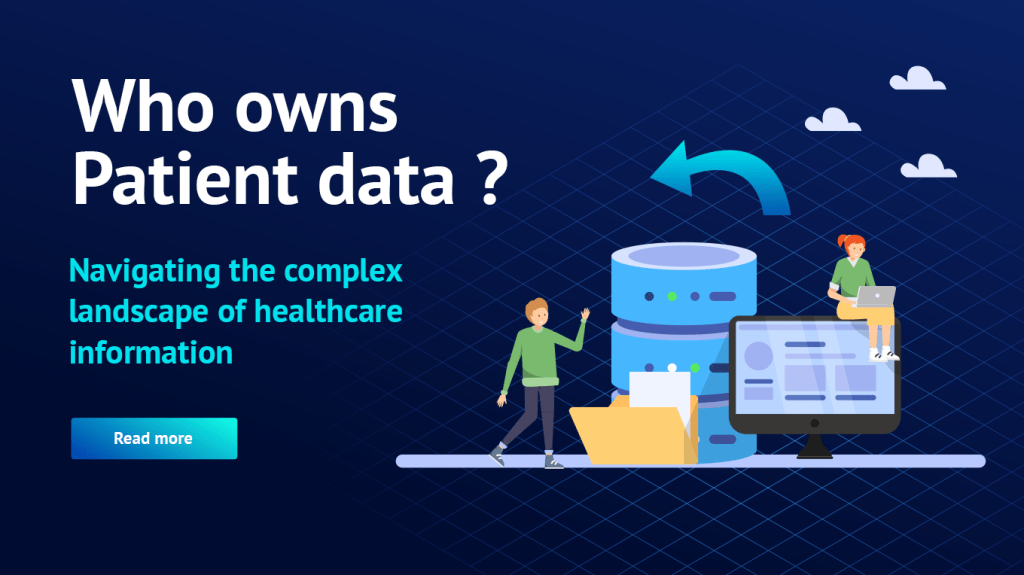
Photo By Triyam
Moving Forward: A Patient-Centric Approach
To address these issues, a patient-centric approach to data ownership and privacy is essential. Here are some recommendations:
1. Enhanced Patient Rights: Strengthen legal frameworks to ensure patients have clear rights over their data, including access, correction, and deletion.
2. Education and Transparency: Educate patients about their rights and how their data is used. Transparency from digital health providers is crucial in building trust.
3. Collaborative Frameworks: Encourage collaboration between healthcare providers, tech companies, regulators, and patients to develop fair and effective data policies.
4. Technological Innovation: Leverage technologies like blockchain to create secure, transparent, and decentralized data systems that prioritize patient control and privacy.
5. Ethical Standards: Establish and enforce ethical standards for data use, ensuring that monetization practices are fair and that data is used for the public good.
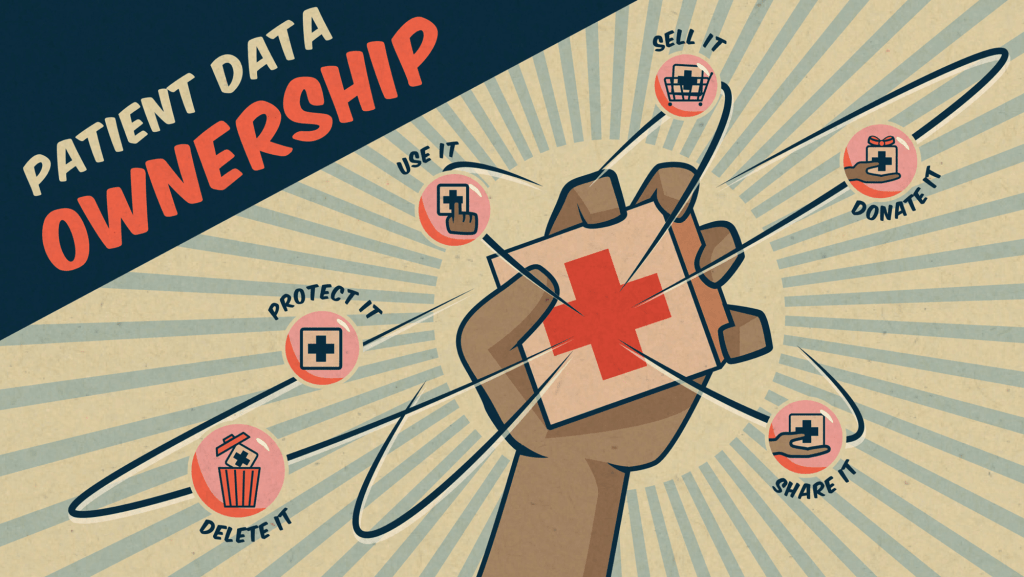
Photo By Goinvo
The question of who owns patient data in the digital health era is complex and multifaceted. As we navigate this digital transformation, balancing innovation with privacy and ethical considerations is paramount. By adopting patient-centric approaches and leveraging technologies like blockchain, we can create a healthcare data ecosystem that respects patient rights, enhances security, and fosters trust. The road ahead requires collaboration, transparency, and a commitment to ethical practices to ensure that digital health advancements benefit everyone.
Please leave your comments below.

 Dr. Hamza Asumah
Leave a comment