
Hamza Asumah, MD, MBA
The advent of artificial intelligence (AI) in healthcare has sparked a vigorous debate: Is AI enhancing the precision of diagnoses, or is it poised to replace human doctors? As technology continues to evolve at a rapid pace, this question becomes increasingly pertinent. With AI systems demonstrating remarkable capabilities in analyzing medical data, the potential impacts on healthcare are profound. This blog post delves into the role of AI in diagnosis, exploring how it enhances precision while considering the delicate balance needed to maintain the invaluable human touch in medicine.
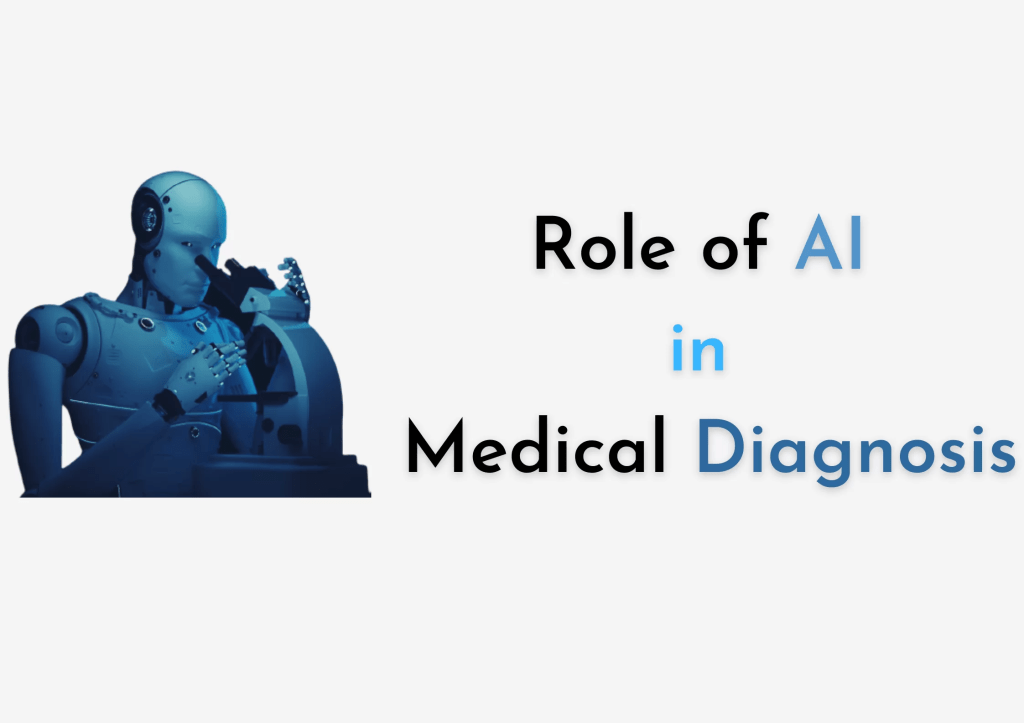
Photo By Jorie AI
AI in Diagnosis: Enhancing Precision
AI’s ability to analyze vast amounts of data quickly and accurately is one of its greatest strengths in the medical field. Algorithms can process complex datasets, recognize patterns, and provide insights that might be missed by the human eye. Several success stories highlight AI’s potential:
Success Stories
1. Radiology: One of the most notable applications of AI is in radiology. AI algorithms have been trained to interpret X-rays, MRIs, and CT scans with astonishing accuracy. For example, Google’s DeepMind demonstrated that its AI could detect over 50 eye diseases with 94% accuracy, matching the performance of expert ophthalmologists.
2. Oncology: IBM’s Watson for Oncology uses AI to analyze medical literature and patient data to recommend treatment plans. In certain cases, Watson has identified treatment options that were overlooked by human doctors, thereby enhancing patient outcomes.
3. Pathology: AI systems have shown great promise in pathology, particularly in detecting cancer. In a study published in JAMA Oncology, an AI model outperformed pathologists in diagnosing metastatic breast cancer, reducing the error rate significantly.
Expert Opinions
Dr. Eric Topol, a leading expert in AI in healthcare, suggests that AI should be seen as a tool to augment the capabilities of clinicians rather than replace them. He believes that AI can handle the “drudge work,” allowing doctors to focus on patient interaction and complex decision-making.
Dr. Fei-Fei Li, a renowned AI researcher, emphasizes the “human-centered” approach to AI, advocating for systems that support and enhance human expertise rather than substitute it.
Photo By LinkedIn
Risks of Replacing Human Doctors
While AI’s precision is undeniable, there is a risk of over-reliance on technology, potentially sidelining the human elements of empathy, ethical judgment, and adaptability. Here are some concerns:
1. Loss of Human Touch: The patient-doctor relationship is built on trust and empathy. AI lacks the ability to understand complex human emotions, cultural nuances, and ethical considerations that are crucial in healthcare.
2. Bias and Errors: AI systems are only as good as the data they are trained on. If the data is biased or incomplete, it can lead to erroneous conclusions. Unlike doctors, AI lacks the ability to question its own conclusions.
3. Ethical and Legal Implications: Who is responsible when an AI system makes an incorrect diagnosis? This question poses significant ethical and legal challenges that need to be addressed as AI becomes more integrated into healthcare.
A Conceptual Framework for Integration
To harness the benefits of AI while preserving the human touch, a balanced approach is necessary. Here’s a conceptual framework for integrating AI into healthcare:
1. Collaborative Model
AI should be viewed as a partner to healthcare professionals. Training programs should focus on teaching clinicians how to work with AI systems, emphasizing collaboration rather than competition. By understanding AI’s capabilities and limitations, doctors can better leverage technology to enhance patient care.
2. Transparency and Accountability
AI algorithms must be transparent and interpretable. Healthcare professionals should be able to understand how AI arrives at its conclusions to ensure accountability and trust. Clear guidelines must be established to address ethical and legal responsibilities.
3. Patient-Centric Approach
AI should enhance the patient experience, not detract from it. Systems should be designed to support personalized care, taking into account individual patient needs and preferences. Maintaining open communication between patients and healthcare providers is essential.
4. Continuous Learning and Feedback
Both AI systems and clinicians should engage in continuous learning. AI models need regular updates and validation against new medical data, while healthcare professionals should stay informed about AI advancements and best practices.
5. Interdisciplinary Teams
The integration of AI into healthcare should involve interdisciplinary collaboration, including technologists, ethicists, legal experts, and healthcare providers. This ensures a holistic approach to implementation and addresses diverse perspectives and concerns.
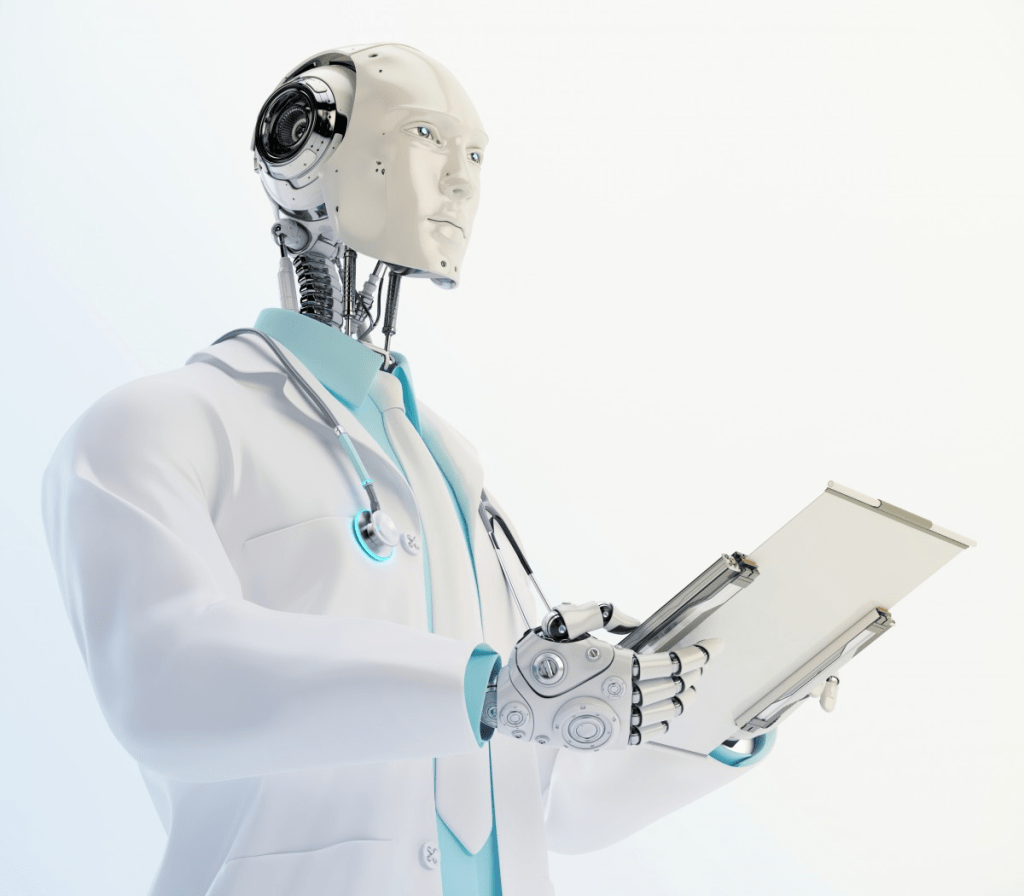
Photo By Biomedical Odyssey
The role of AI in medical diagnosis is undeniably transformative, offering unprecedented precision and efficiency. However, it is crucial to balance these technological advancements with the irreplaceable human elements of medicine. By adopting a collaborative and patient-centric approach, we can harness the full potential of AI to enhance healthcare outcomes while preserving the essential human touch that defines compassionate care.
AI is not here to replace doctors but to empower them, allowing for more informed decisions and ultimately improving patient lives. As we move forward, the focus should be on integration, collaboration, and continuous improvement, ensuring that AI serves as a valuable ally in the ever-evolving landscape of healthcare.
Please leave your comments below

 Dr. Hamza Asumah
Leave a comment