
Hamza Asumah, MD, MBA
Innovation in healthcare is not merely a buzzword; it is the driving force behind improving patient outcomes, reducing costs, and enhancing the overall efficiency of healthcare systems. The COVID-19 pandemic has starkly highlighted the pressing need for innovative solutions, from telemedicine to advanced diagnostics and AI-driven healthcare models. However, the journey from a groundbreaking idea to its execution is fraught with challenges. Regulatory barriers, financial constraints, and the inherent complexity of healthcare systems often impede the seamless transition from concept to reality. This blog will delve into the crucial stages of executing innovative ideas in healthcare, offering a comprehensive guide from validation to implementation, along with the tools and resources to facilitate this journey.
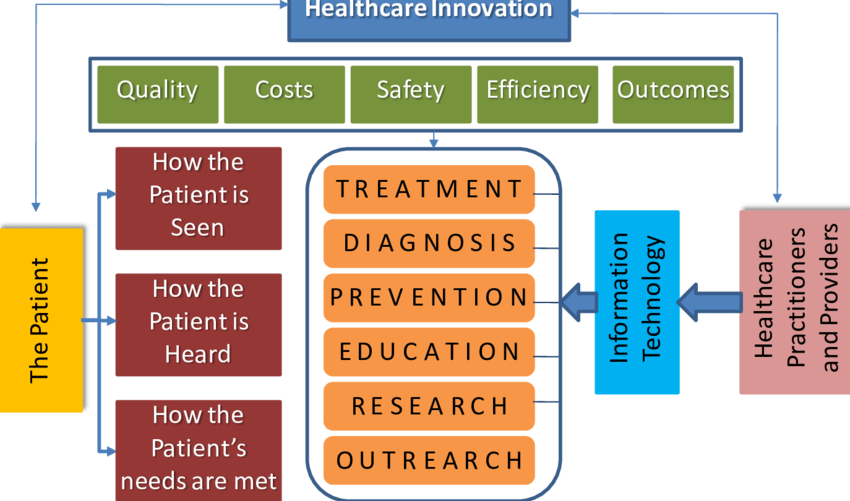
Photo By Research Gate
Idea Validation
Before investing time and resources into an innovative idea, it is crucial to validate its feasibility and potential impact. Here are some methods to test and validate healthcare ideas:
1. Literature Review and Market Research
– Conduct a thorough review of existing literature to understand current gaps, needs, and trends in healthcare.
– Analyze market data to identify the demand for your solution and the competitive landscape.
2. Stakeholder Interviews and Surveys
– Engage with healthcare professionals, patients, and other stakeholders to gather insights and feedback.
– Use surveys to quantify the need for your innovation and gauge interest.
3. Proof of Concept (PoC)
– Develop a basic version of your idea to demonstrate its feasibility.
– Conduct small-scale tests in a controlled environment, such as a single hospital or clinic.
4. Clinical Trials and Pilot Studies
– If your innovation involves a new treatment or medical device, clinical trials are essential.
– Pilot studies help in understanding real-world applications and identifying potential challenges.
5. Regulatory Assessment
– Ensure your idea complies with relevant healthcare regulations and standards.
– Engage with regulatory bodies early in the process to understand the requirements and streamline approval processes.
Implementation Steps
Once your idea is validated, the next phase is implementation. Here is a step-by-step process to turn your concept into a viable product or service:
1. Define Clear Objectives and Goals
– Establish what you aim to achieve with your innovation.
– Set measurable goals and key performance indicators (KPIs) to track progress.
2. Develop a Detailed Business Plan
– Outline your innovation’s value proposition, target market, and competitive advantage.
– Include financial projections, funding requirements, and a marketing strategy.
3. Assemble a Multidisciplinary Team
– Bring together experts from various fields, including healthcare, technology, finance, and regulatory affairs.
– Ensure effective communication and collaboration among team members.
4. Design and Prototype
– Use design thinking methodologies to create user-centric prototypes.
– Develop multiple iterations based on feedback to refine the design.
5. Secure Funding
– Explore various funding options such as grants, venture capital, and partnerships with healthcare institutions.
– Prepare a compelling pitch to attract investors and stakeholders.
6. Regulatory Approval
– Submit your innovation for regulatory approval, ensuring all necessary documentation and compliance.
– Address any feedback or requirements from regulatory bodies promptly.
7. Pilot Testing and Refinement
– Conduct extensive pilot testing in real-world settings.
– Collect data, analyze results, and make necessary adjustments to improve the innovation.
8. Full-Scale Implementation
– Roll out your innovation on a larger scale, ensuring adequate training for users and support systems.
– Monitor performance and continue to gather feedback for ongoing improvement.
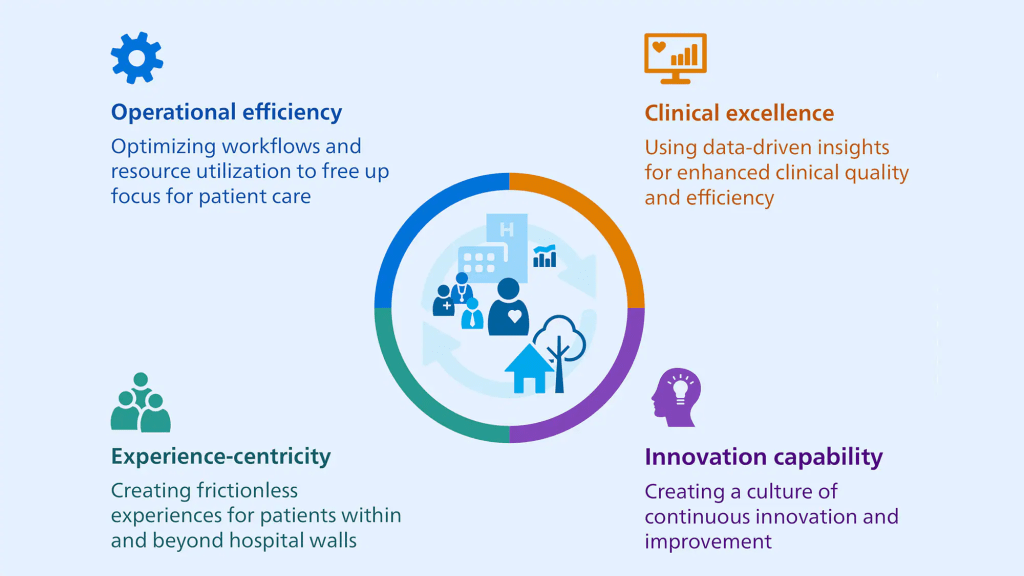
Photo By Philips
Tools and Resources
Executing innovative ideas in healthcare requires a suite of tools and resources to streamline processes and enhance efficiency. Here are some recommended tools:
1. Project Management Software
– Tools like Asana, Trello, and Monday.com help manage tasks, timelines, and team collaboration.
– Use Gantt charts and Kanban boards to visualize project progress.
2. Prototyping Tools
– Platforms like InVision, Sketch, and Figma are ideal for designing and testing prototypes.
– Utilize 3D printing for creating physical models of medical devices.
3. Data Analytics and Visualization
– Software such as Tableau and Power BI assists in analyzing clinical trial data and pilot study results.
– Use these tools to create dashboards and visual reports for stakeholders.
4. **Regulatory Compliance Tools:**
– Solutions like Greenlight Guru and MasterControl ensure compliance with healthcare regulations.
– These tools help in managing documentation and streamlining the approval process.
5. Collaboration Platforms
– Use Slack or Microsoft Teams for effective communication and collaboration among team members.
– Share documents and updates in real-time to maintain alignment.
6. Funding Platforms
– Explore platforms like AngelList for connecting with potential investors.
– Use government grant databases to find funding opportunities specific to healthcare innovation.
5. Learning Management Systems (LMS)
– Platforms like Coursera for Business and Udemy for Business can be used to provide training and education to healthcare professionals on new innovations.
– These tools help ensure that staff are well-versed in using new technologies or methodologies.
6. Customer Relationship Management (CRM) Software
– Tools like Salesforce Health Cloud and HubSpot CRM can manage relationships with healthcare providers, institutions, and patients.
– Use CRM software to track interactions, manage communications, and maintain engagement with stakeholders.
7. Telehealth Platforms
– For innovations in telemedicine, platforms such as Doxy.me, Amwell, and Teladoc can facilitate remote consultations and patient interactions.
– These platforms can also be integrated with other healthcare systems to streamline operations.
8. Health Information Systems (HIS)
– Electronic Health Records (EHR) systems like Epic, Cerner, and Allscripts are vital for integrating new innovations into existing healthcare infrastructure.
– Ensure that your innovation can seamlessly interact with these systems to enhance usability and patient care.

Photo By Healthy Simulations
Executing innovative ideas in healthcare is a complex yet rewarding endeavor that holds the potential to transform patient care and operational efficiency. The journey from concept to reality involves meticulous validation, strategic planning, and effective implementation. By leveraging the right tools and resources, healthcare innovators can navigate the challenges and bring their groundbreaking ideas to fruition.
From conducting thorough market research and engaging with stakeholders to developing prototypes and securing regulatory approval, each step in the process is crucial. Project management software, prototyping tools, data analytics platforms, and regulatory compliance solutions are just a few of the resources that can support this journey.
Ultimately, the successful execution of innovative healthcare ideas requires a clear vision, a dedicated team, and a commitment to continuous improvement. By following the outlined steps and utilizing the recommended tools, healthcare innovators can ensure their ideas make a meaningful impact on the industry and, most importantly, on patient lives.
Please leave comments below.

 Dr. Hamza Asumah
Leave a comment