
Hamza Asumah, MD, MBA
In today’s dynamic healthcare landscape, the importance of a customer-centric approach cannot be overstated. A customer-centric healthcare business places the patient at the heart of its operations, recognizing that their needs, experiences, and satisfaction are paramount. This approach not only enhances patient outcomes but also drives business success through loyalty and positive word-of-mouth. By focusing on what patients want and need, healthcare providers can deliver more effective, personalized care, leading to higher patient satisfaction and better health outcomes.
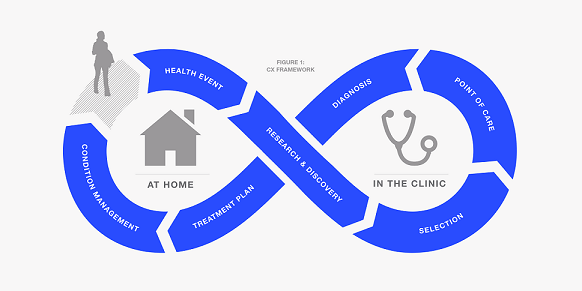
Photo By Becker’s Hospital
—
Understanding Needs
The foundation of a customer-centric healthcare business lies in understanding and anticipating patient needs. This involves:
1. Patient Surveys and Interviews: Regularly conducting surveys and interviews helps gather direct feedback from patients about their experiences and expectations. This data can uncover insights into what patients value most in their healthcare journey.
2. Patient Journey Mapping: By mapping out the patient journey, from initial contact to post-treatment follow-up, healthcare providers can identify pain points and opportunities for improvement. This visual representation helps in understanding the entire patient experience.
3. Data Analytics: Utilizing data analytics to analyze trends and patterns in patient behavior can provide deeper insights. Electronic Health Records (EHRs), patient portals, and other digital tools can offer valuable data that helps predict future needs and preferences.
4. Engagement with Care Teams: Engaging with doctors, nurses, and other healthcare professionals who interact with patients daily can provide firsthand insights into patient needs and challenges.
5. Community Involvement: Being active in the community and participating in health fairs, workshops, and other events can help healthcare providers stay connected with the population they serve and understand their broader health concerns.
—

Photo By LinkedIn
Service Design
Designing services and products that prioritize customer experience involves a multifaceted approach:
1. Personalized Care Plans: Tailoring treatments and care plans to meet the unique needs of each patient. This can be achieved through personalized medicine, which uses patient-specific information to make decisions about their healthcare.
2. Convenience and Accessibility: Ensuring that healthcare services are easily accessible and convenient. This could involve extended hours, telemedicine options, and multiple locations to serve a broader patient base.
3. Integrated Care Models: Implementing integrated care models that coordinate across different services and specialties to provide seamless care. This reduces the burden on patients to navigate complex healthcare systems.
4. Patient Education and Empowerment: Providing patients with the information and tools they need to manage their health effectively. This can include educational resources, support groups, and wellness programs.
5. Comfortable and Healing Environments: Designing healthcare facilities that are welcoming and conducive to healing. This includes comfortable waiting areas, private rooms, and a calming environment that reduces stress and anxiety.
6. Technology Integration: Leveraging technology to enhance patient experience. This can include user-friendly patient portals, mobile apps for appointment scheduling and reminders, and telehealth services.
—

Photo By INSEAD Knowledge
Feedback Loops
Continuous improvement and customer satisfaction hinge on effective feedback loops:
1. Regular Feedback Collection: Establishing multiple channels for patients to provide feedback, such as online surveys, suggestion boxes, and direct communication with staff. This ensures that feedback is continuously gathered and not just during specific intervals.
2. Rapid Response Mechanisms: Implementing systems to quickly address and act on patient feedback. This shows patients that their opinions are valued and that the organization is committed to improving their experience.
3. Analyzing Feedback Trends: Regularly reviewing and analyzing feedback to identify common themes and areas for improvement. This helps prioritize initiatives that will have the most significant impact on patient satisfaction.
4. Engaging Patients in Solutions: Involving patients in the problem-solving process. Patient advisory councils or focus groups can provide insights and collaborate on developing solutions to common issues.
5. Transparent Communication: Keeping patients informed about changes and improvements made based on their feedback. Transparency builds trust and shows that the organization is committed to continuous improvement.
6. Staff Training and Development: Ensuring that all staff members are trained to handle patient feedback effectively and are committed to a culture of continuous improvement. Regular training sessions and workshops can help reinforce this mindset.
—

Photo By Serg Valencia
Building a customer-centric healthcare business is a dynamic and ongoing process that requires a deep understanding of patient needs, thoughtful service design, and robust feedback mechanisms. By prioritizing the patient experience and continuously striving to meet and exceed expectations, healthcare providers can not only improve patient outcomes but also foster loyalty and trust. In a competitive and ever-evolving industry, a customer-centric approach is not just an advantage – it is essential for long-term success and sustainability.
Please leave your comments below

 Dr. Hamza Asumah
Leave a comment