
Hamza Asumah, MD, MBA
Healthcare leadership in rural and underserved communities is a critical, yet often overlooked aspect of public health. Residents of these areas face unique challenges that require innovative leadership strategies to improve healthcare access and quality. In this blog post, we will delve into the distinctive obstacles faced by rural and underserved communities and explore the leadership approaches necessary to overcome these challenges and foster health equity.
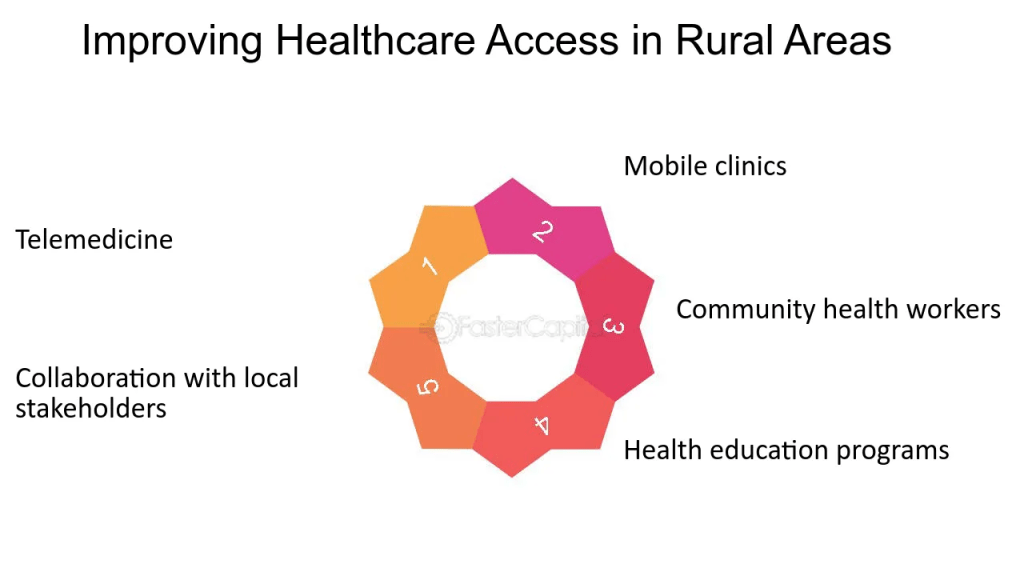
Photo By Faster Capital
Challenges in Rural and Underserved Communities:
1. Geographic Barriers: Rural areas are often characterized by vast distances and limited transportation options, making it difficult for residents to access healthcare facilities.
2. Shortage of Healthcare Providers: Rural communities frequently face a scarcity of healthcare professionals, including doctors, nurses, and specialists, leading to long wait times and limited services.
3. Limited Resources: Underserved areas may lack adequate funding, infrastructure, and medical facilities, hindering the delivery of quality healthcare services.
4. Socioeconomic Factors: Poverty, unemployment, and lack of health insurance coverage contribute to disparities in healthcare access and outcomes in underserved communities.
5. Health Disparities: Rural and underserved populations experience higher rates of chronic diseases, mental health issues, and substance abuse, exacerbating the need for tailored healthcare services.

Photo By Deloitte
Leadership Strategies for Improvement:
1. Building Community Partnerships: Healthcare leaders should collaborate with local organizations, community leaders, and government agencies to address healthcare needs and leverage resources effectively.
2. Telehealth and Technology Integration: Implementing telehealth services and digital health solutions can enhance access to care in remote areas and bridge the gap between patients and providers.
3. Workforce Development and Retention: Investing in healthcare workforce training programs, offering incentives for professionals to work in underserved areas, and supporting career advancement opportunities can help alleviate provider shortages.
4. Culturally Competent Care: Healthcare leaders must promote cultural sensitivity and diversity in healthcare delivery to ensure that services are tailored to the unique needs and preferences of diverse populations.
5. Advocacy and Policy Change: Championing policies that support healthcare access, funding, and infrastructure development in rural and underserved regions is essential for driving systemic change and improving health outcomes.
6. Patient Engagement and Education: Empowering patients through health literacy programs, community outreach initiatives, and patient-centered care models can enhance health awareness and promote preventive care practices.

Photo By Stanford Medicine
Healthcare leadership in rural and underserved communities plays a pivotal role in advancing health equity and addressing disparities in healthcare access and quality. By understanding the challenges unique to these areas and adopting innovative leadership strategies, we can work towards building a more inclusive and resilient healthcare system that meets the diverse needs of all individuals, regardless of their geographic location or socioeconomic status. Together, through collaborative efforts and visionary leadership, we can create a healthier future for all communities, leaving no one behind in the pursuit of better health and well-being.
Please leave your comments below

 Dr. Hamza Asumah
Leave a comment