Hamza Asumah, MD, MBA
The healthcare sector in Africa presents an intriguing paradox: a continent with immense needs and challenges, yet brimming with untapped opportunities. These opportunities, often referred to as “blue oceans,” represent market spaces ripe for innovation, untainted by fierce competition. In the realms of hospital businesses and healthcare technology, Africa’s blue oceans are particularly promising, driven by rising demand, technological advancements, and a growing middle class. This blog post delves into the potential for success in these areas, highlighting real examples and data to support the opportunities within this burgeoning market.
1. Telemedicine and Remote Healthcare Services
One of the most compelling blue oceans in Africa is telemedicine. The continent’s vast geography and often inadequate transportation infrastructure can make access to healthcare facilities challenging for many. Telemedicine can bridge this gap by providing remote consultations and diagnostics through digital platforms.
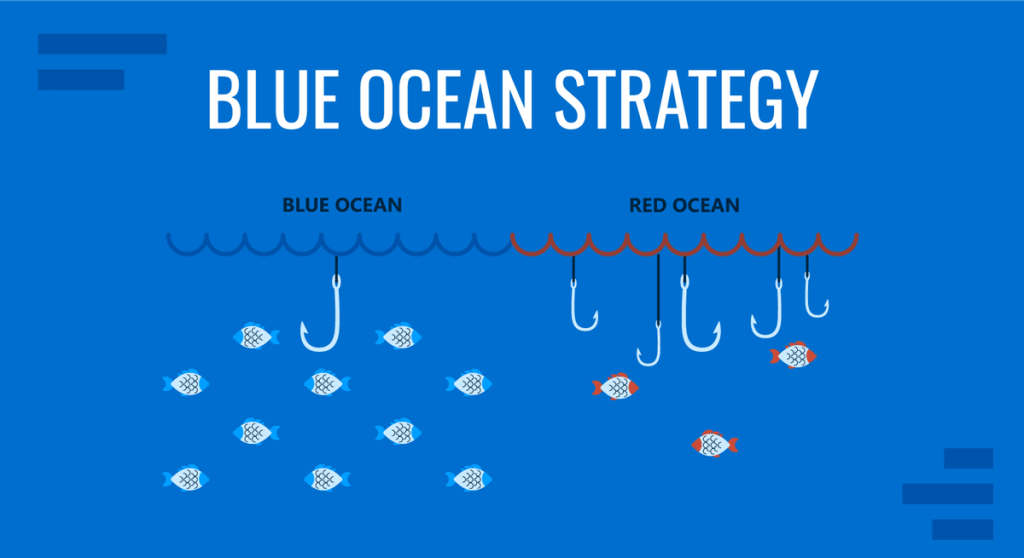
Photo By Slide Model
Babyl Rwanda, a subsidiary of the UK-based Babylon Health, has successfully implemented telemedicine services in Rwanda. By leveraging mobile technology, Babyl Rwanda allows patients to consult doctors via their phones, significantly reducing the need for physical visits to hospitals.
According to a report by McKinsey & Company, telemedicine could address up to 60% of primary healthcare needs in Africa. Furthermore, the World Bank estimates that by 2025, Africa will have 475 million mobile internet users, providing a robust foundation for telemedicine services.
2. Mobile Health Applications
Mobile health (mHealth) applications represent another blue ocean in Africa. These apps can provide a wide range of services, from health education and reminders for medication to symptom checking and appointment scheduling.
The mHealth app, Hello Doctor, operates in several African countries, offering users access to health information, symptom checkers, and direct communication with healthcare professionals. This service has empowered patients with information and timely medical advice.
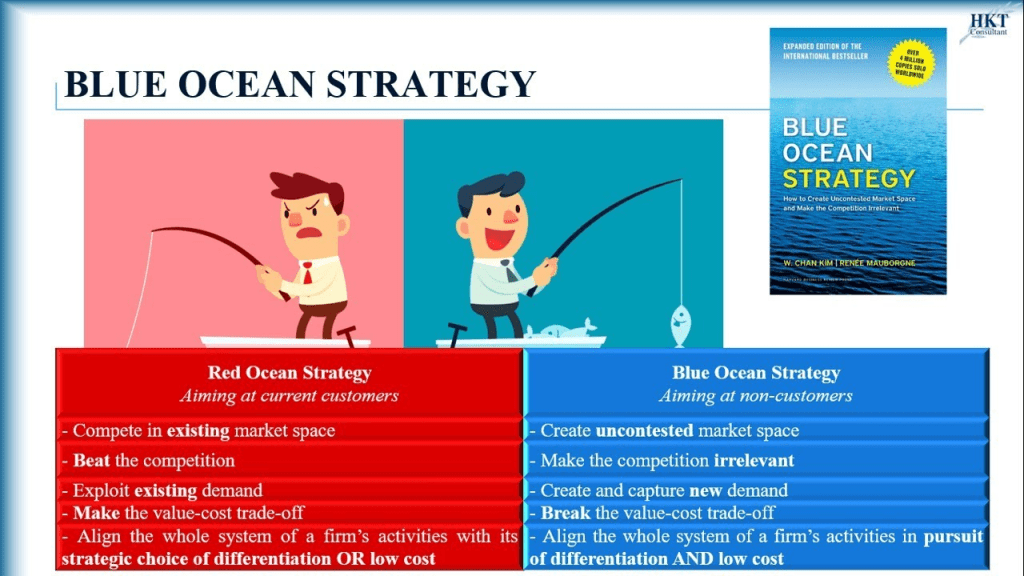
Photo By YouTube
GSMA’s Mobile Economy report highlights that Africa’s mobile internet penetration rate is set to reach 39% by 2025, creating a vast potential user base for mHealth applications. Additionally, a study by the Journal of Medical Internet Research found that mHealth interventions can improve health outcomes significantly, especially in low-resource settings.
3. AI and Machine Learning for Diagnostics
Artificial Intelligence (AI) and machine learning offer transformative potential for diagnostics in Africa. These technologies can enhance the accuracy and efficiency of disease detection, leading to better patient outcomes.
Zebra Medical Vision has partnered with African hospitals to deploy AI-based radiology solutions. Their AI algorithms analyze medical imaging data to detect diseases such as tuberculosis and breast cancer with high accuracy.
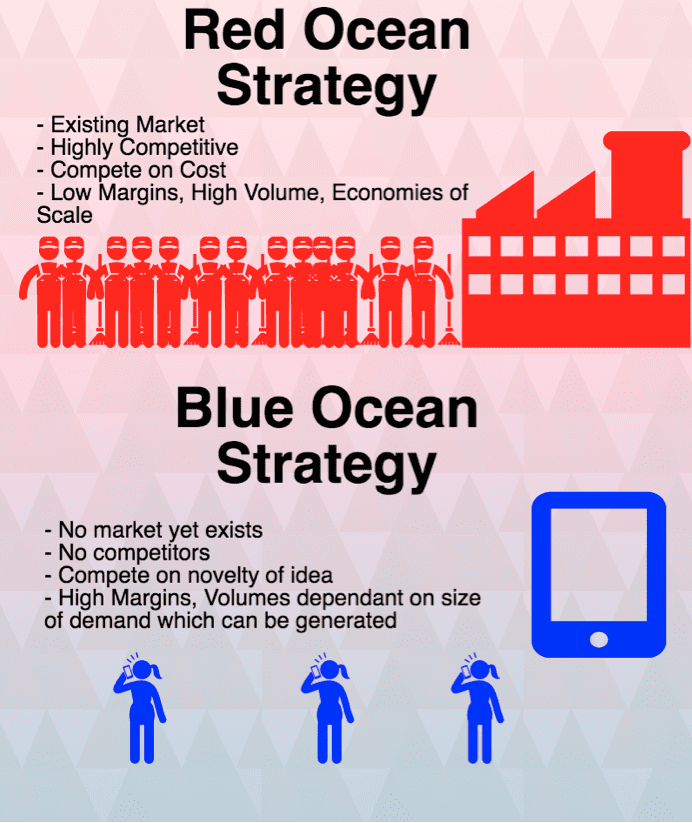
Photo By Incalaquila
The African Academy of Sciences reports that AI could reduce diagnostic errors by up to 50% in African healthcare settings. Moreover, the global AI in healthcare market is expected to grow at a CAGR of 41.7% from 2021 to 2028, indicating a robust growth trajectory for AI applications in healthcare.
4. Digital Health Records and Data Management
The transition from paper-based to digital health records is a major blue ocean opportunity. Digital health records can improve the efficiency of healthcare delivery, reduce errors, and facilitate better patient care coordination.
Medixus, a Kenyan startup, offers a platform that allows healthcare professionals to create, manage, and share digital patient records. This innovation has improved patient data management and streamlined healthcare services in the regions where it operates.
A report by the International Finance Corporation (IFC) suggests that digital health records can reduce administrative costs by up to 20%. Additionally, the adoption of electronic health records (EHR) is expected to grow significantly, driven by the need for more efficient healthcare systems.
5. Health Insurance Innovations
Innovative health insurance models tailored to the African context present another blue ocean. Micro-insurance and mobile-based insurance models can provide affordable and accessible health coverage to underserved populations.
M-TIBA, a mobile health wallet developed by PharmAccess, Safaricom, and CarePay, allows Kenyans to save, send, receive, and pay for medical treatment using their mobile phones. This innovation has made health insurance more accessible to low-income populations.

Photo By Profit Works
According to the World Health Organization, only about 3% of Africa’s population is covered by health insurance. This low penetration rate underscores the vast potential for growth in this sector. Moreover, the mobile money market in Sub-Saharan Africa is projected to grow at a CAGR of 25% through 2024, providing a strong foundation for mobile-based insurance solutions.
The healthcare sector in Africa is poised for a transformation driven by innovative solutions in telemedicine, mobile health applications, AI diagnostics, digital health records, and health insurance. These blue oceans not only promise significant business opportunities but also hold the potential to address critical healthcare challenges across the continent. As technological adoption continues to rise and the demand for quality healthcare
Please leave your comments below

 Dr. Hamza Asumah
Leave a comment