
Hamza Asumah, MD, MBA
The healthcare industry in Africa is a critical sector that plays a vital role in the overall well-being and development of the continent. With a diverse range of challenges and opportunities, understanding the competitive dynamics within this sector is essential for stakeholders to make informed decisions. In this blog post, we will conduct an in-depth analysis of the African healthcare industry using Porter’s Five Forces framework, supported by literature and research data to assess the impact of these forces.
Porter’s Five Forces Analysis of the Healthcare Industry in Africa:
1. Threat of New Entrants:
The healthcare industry in Africa faces barriers to entry due to regulatory complexities, high capital requirements, and the need for specialized expertise. However, the increasing demand for healthcare services, coupled with advancements in technology, creates opportunities for new entrants. According to a report by McKinsey, the African healthcare market is projected to reach $259 billion by 2030, attracting new players looking to capitalize on this growth.
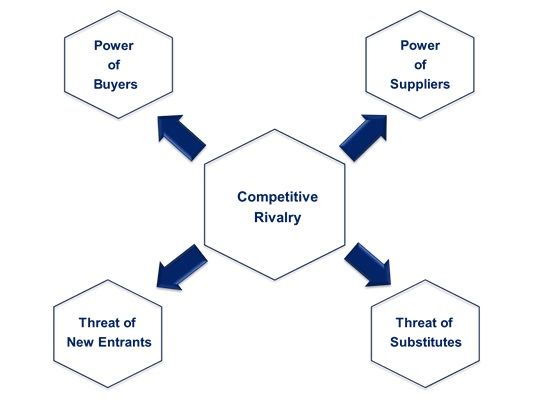
Photo By Lucintel
A study by the World Bank highlighted that the regulatory environment in many African countries poses challenges for new entrants, with lengthy approval processes and limited transparency. This has deterred some international companies from entering the market, leaving room for local players to dominate certain segments.
2. Bargaining Power of Suppliers:
Suppliers in the healthcare industry in Africa include pharmaceutical companies, medical device manufacturers, and service providers. The bargaining power of suppliers is influenced by factors such as the availability of alternative suppliers, the uniqueness of their products, and the cost of switching suppliers. In many African countries, the dependency on imported medical supplies and equipment exposes healthcare providers to fluctuations in currency exchange rates and supply chain disruptions.
A study published in the Journal of African Business highlighted that the bargaining power of suppliers in the African healthcare industry is influenced by the dominance of a few multinational companies that control the supply of essential medicines and equipment. This limits the negotiating power of healthcare providers and affects their profitability.
3. Bargaining Power of Buyers:
Buyers in the healthcare industry in Africa include patients, insurance companies, and government healthcare agencies. The bargaining power of buyers is influenced by factors such as the availability of alternative healthcare providers, the quality of services offered, and the affordability of healthcare treatments. In many African countries, limited access to healthcare services and disparities in healthcare quality create challenges for buyers in negotiating favorable terms.
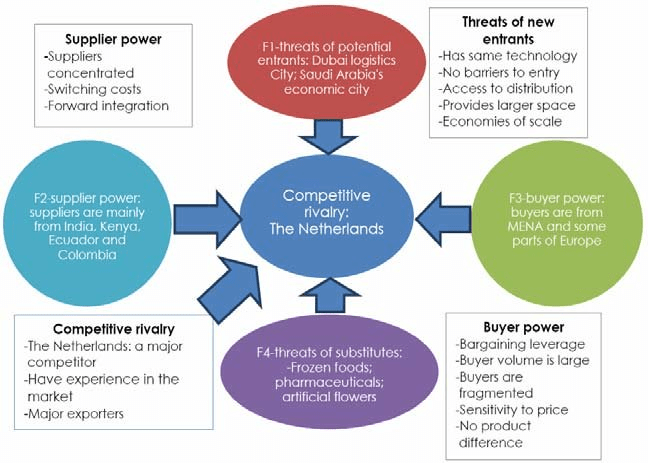
Photo By ResearchGate
A report by the World Health Organization (WHO) highlighted that out-of-pocket payments account for a significant portion of healthcare financing in Africa, limiting the bargaining power of individual patients. This has led to growing calls for increased government investment in healthcare and the expansion of health insurance coverage to enhance the bargaining power of buyers.
4. Threat of Substitutes:
The threat of substitutes in the African healthcare industry is influenced by factors such as the availability of alternative treatments, traditional medicine practices, and technological innovations. Traditional medicine remains popular in many African countries, presenting a challenge for Western medicine providers seeking to gain market share.
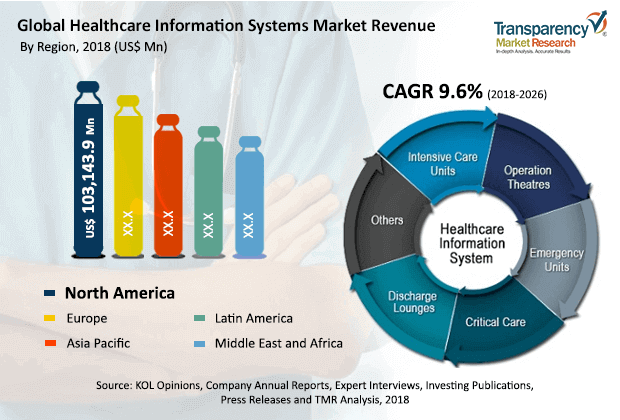
Photo By Transparency Market Research
A study conducted by the African Journal of Traditional, Complementary and Alternative Medicines highlighted the growing interest in traditional medicine practices in Africa, driven by cultural beliefs and accessibility issues. This poses a threat to Western medicine providers and underscores the need for collaboration between traditional and modern healthcare systems.
5. Competitive Rivalry
Competitive rivalry in the African healthcare industry is intensifying due to factors such as increasing demand for healthcare services, the entry of new players, and the push for better quality care. Healthcare providers in Africa compete on factors such as service quality, price, technological innovation, and geographic reach. The competitive landscape varies across countries, with some markets dominated by a few large players while others have a more fragmented structure with many smaller providers.
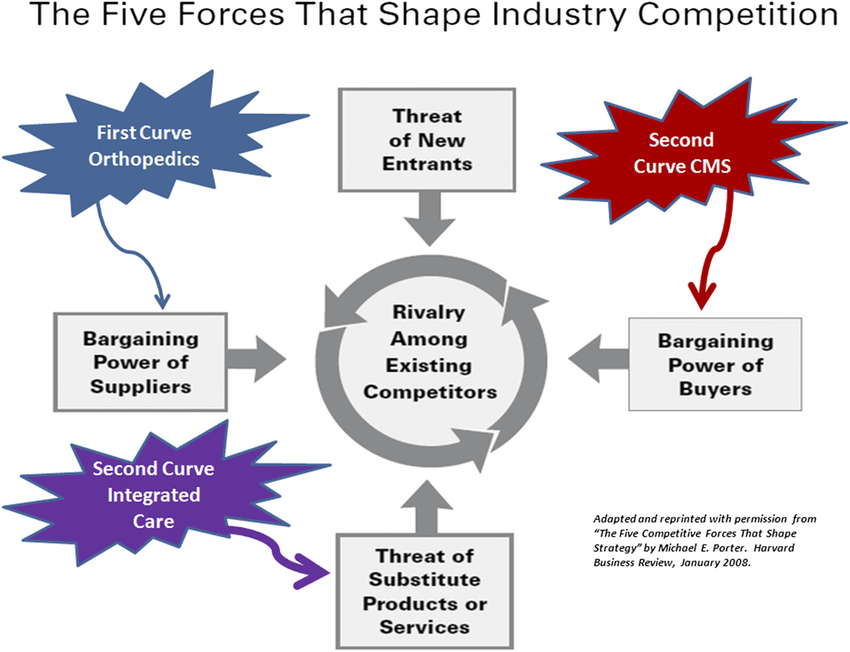
Photo By ResearchGate
A study by Deloitte on the African healthcare market highlighted that competition is increasing as more players enter the market, leading to pricing pressures and the need for differentiation. The study also emphasized the importance of strategic partnerships and collaborations to navigate the competitive landscape and drive innovation in healthcare delivery.
Overall Impact and Implications
The analysis of the healthcare industry in Africa through Porter’s Five Forces framework highlights the complex dynamics shaping the sector. While the industry presents significant opportunities for growth and innovation, it also faces challenges such as regulatory barriers, supply chain vulnerabilities, and competition pressures. Understanding these forces is essential for stakeholders to develop effective strategies that leverage strengths and mitigate risks.
Recommendations for Stakeholders
1. Collaboration and Partnerships: Healthcare providers in Africa can benefit from strategic collaborations with suppliers, insurers, and technology partners to enhance service offerings and drive innovation.
2. Investment in Technology: Embracing digital health solutions can improve access to healthcare services, enhance patient outcomes, and streamline operations in the face of rising competition.
3. Regulatory Engagement: Engaging with policymakers and regulatory bodies to advocate for reforms that promote market competition, ensure quality standards, and facilitate market entry for new players.
4. Focus on Patient-Centric Care: Prioritizing patient needs and preferences can help healthcare providers differentiate themselves in a competitive market and build customer loyalty.
The healthcare industry in Africa is at a critical juncture, with opportunities for growth and innovation amid evolving market dynamics. By conducting a comprehensive analysis using Porter’s Five Forces framework, stakeholders can gain valuable insights into the competitive forces shaping the industry and develop strategies to navigate challenges and capitalize on opportunities. With a focus on collaboration, innovation, and patient-centric care, the African healthcare sector can work towards improving access to quality healthcare services and driving sustainable development across the continent.
Please leave your comments below

 Dr. Hamza Asumah
Leave a comment