
Hamza Asumah, MD, MBA
In the dynamic landscape of healthcare, businesses face unique challenges in managing their products and services throughout their life cycle. The concept of the product life cycle (PLC) is a fundamental framework that helps businesses understand the various stages a product or service goes through from its inception to its eventual decline. For healthcare businesses, navigating the product life cycle is crucial for staying competitive, meeting evolving consumer needs, and driving innovation in an industry that is constantly changing.
In this blog post, we will delve deep into the product life cycle of healthcare businesses, examining each stage in detail and discussing the implications for strategy, marketing, and innovation. By drawing on relevant literature and research data, we will explore the impact of these resources on the product life cycle of healthcare businesses, highlighting key insights and best practices for success in this complex and highly regulated industry.
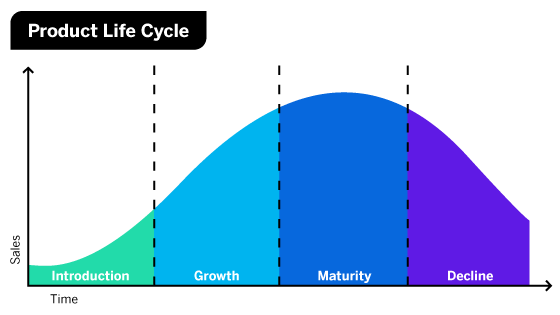
Photo By Qualtrics
1. Introduction Stage
The product life cycle of a healthcare business typically begins with the introduction of a new product or service into the market. This stage is characterized by high costs, limited sales, and the need for extensive marketing and promotion efforts to create awareness and generate demand. Healthcare businesses invest heavily in research and development to bring innovative solutions to market, often leveraging cutting-edge technologies and scientific breakthroughs to address unmet medical needs.
Literature and Research Data:
According to a study by McKinsey & Company, the healthcare industry invests significantly in R&D, with pharmaceutical companies alone spending billions of dollars each year on developing new drugs and therapies. Research published in the Journal of Marketing Research highlights the importance of effective marketing strategies during the introduction stage, citing examples of successful product launches in the healthcare sector that have capitalized on targeted advertising and physician education programs to drive early adoption.
2. Growth Stage
As a healthcare product gains traction in the market, it enters the growth stage of the product life cycle. Sales begin to increase rapidly, and the business focuses on expanding market share, enhancing product features, and building brand loyalty among consumers and healthcare professionals. Healthcare businesses may introduce new variations of their products, enter new markets, or form strategic partnerships to capitalize on the growing demand and solidify their competitive position.

Photo By Arkenea
Research conducted by the Healthcare Financial Management Association (HFMA) indicates that healthcare businesses often experience significant revenue growth during the growth stage, driven by factors such as increased patient volume, improved clinical outcomes, and favorable reimbursement trends. Studies published in the Journal of Business Research emphasize the importance of innovation and differentiation in sustaining growth in the healthcare sector, with successful companies leveraging patient feedback, clinical data, and market insights to drive product development and strategic decision-making.
3. Maturity Stage:
In the maturity stage of the product life cycle, sales growth begins to slow down as the market becomes saturated and competition intensifies. Healthcare businesses focus on optimizing operational efficiency, managing costs, and defending market share against rival products and new market entrants. Pricing strategies, customer loyalty programs, and quality improvement initiatives become critical in maintaining profitability and prolonging the product’s life cycle through product enhancements and regulatory compliance.
Literature and Research Data:
A comprehensive study by the Journal of Healthcare Management highlights the challenges faced by healthcare businesses in the maturity stage, including pricing pressures, regulatory constraints, and shifting consumer preferences. Research published in the Journal of Product Innovation Management underscores the importance of continuous innovation and strategic partnerships in extending the life cycle of mature healthcare products, with successful companies investing in digital health technologies and personalized medicine approaches to differentiate their offerings and meet the evolving needs of patients and healthcare providers.
4. Decline Stage
As a healthcare product reaches the decline stage of its life cycle, sales and profitability begin to decline due to factors such as technological obsolescence, changing regulatory requirements, or shifts in clinical practice guidelines. Healthcare businesses face the difficult decision of whether to divest, discontinue, or revitalize the product through repositioning, repackaging, or targeted marketing efforts. Strategic planning, resource allocation, and stakeholder engagement are critical in managing the decline phase effectively and minimizing the impact on the overall business performance.
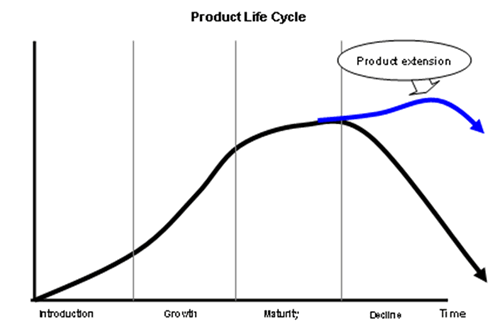
Photo By Tutor2u
Studies published in the Journal of Healthcare Economics and Management highlight the challenges of managing product decline in the healthcare industry, citing examples of failed product launches, regulatory setbacks, and market disruptions that have led to significant financial losses for companies. Research conducted by the American Journal of Public Health emphasizes the importance of stakeholder engagement and communication in navigating the decline stage, with successful healthcare businesses proactively seeking feedback from patients, providers, and regulators to inform decision-making and mitigate risks.
Impact of Resources on the Product Life Cycle
Literature and research data play a critical role in shaping the product life cycle of healthcare businesses by providing valuable insights, best practices, and evidence-based strategies for success. By leveraging industry reports, academic studies, and peer-reviewed journals, healthcare companies can stay informed about market trends, regulatory changes, and competitive dynamics that impact their products and services at each stage of the life cycle.
For example, research on patient preferences and outcomes can inform product development and marketing strategies in the introduction and growth stages, while studies on cost-effectiveness and quality improvement can guide decision-making in the maturity and decline stages. By integrating literature and research data into their strategic planning processes, healthcare businesses can make informed decisions, anticipate market shifts, and position themselves for sustainable growth and innovation in a rapidly evolving industry.
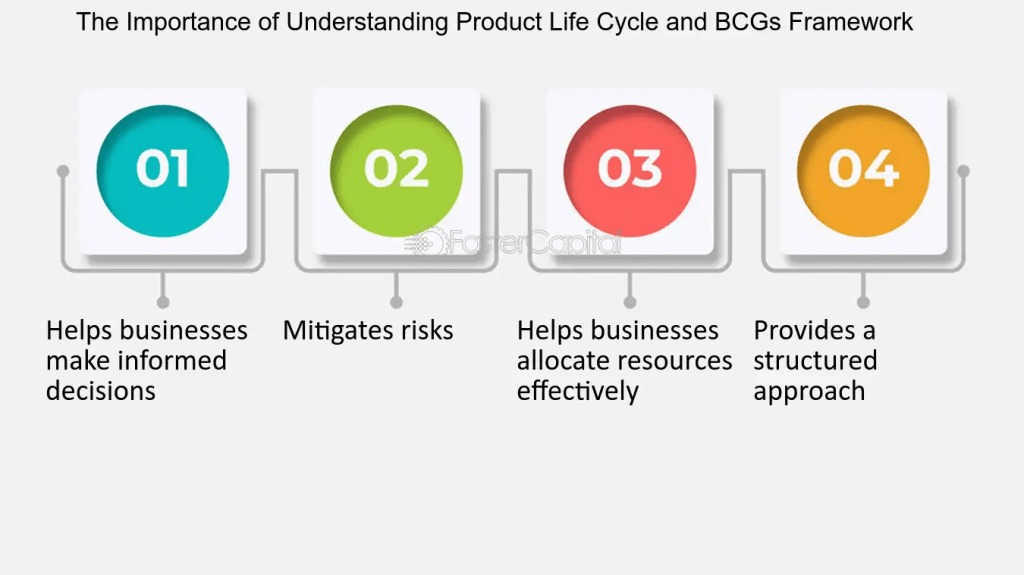
Photo By Faster Capital
The product life cycle of healthcare businesses is a complex and dynamic process that requires careful planning, strategic foresight, and continuous innovation to navigate successfully. By understanding the stages of the life cycle and leveraging literature and research data to inform decision-making, healthcare companies can optimize their product portfolios, drive market growth, and deliver value to patients, providers, and other stakeholders.
As the healthcare landscape continues to evolve with advances in technology, changes in regulatory policies, and shifting patient expectations, staying ahead of the curve and adapting to new challenges will be essential for healthcare businesses to thrive and make a meaningful impact on the health and well-being of individuals and communities worldwide.
Please leave your comments below

 Dr. Hamza Asumah
Leave a comment