
Hamza Asumah, MD, MBA
The African healthcare landscape presents a paradox of immense challenges and innovative opportunities. Entrepreneurs in Africa are uniquely positioned to address the pressing needs of the healthcare system by not only improving service delivery but also enhancing operational and financial sustainability. In this comprehensive analysis, we explore the dynamic role of healthcare entrepreneurship within government healthcare settings in Africa, offering a blend of strategic workflows and data-driven best practices to revolutionize patient care and financial management.
Understanding the African Healthcare Landscape
With a heavy burden of diseases and limited resources, African healthcare systems often struggle to meet the needs of their populations. The World Health Organization reports a dire need for healthcare workers and financial investment in the region. This gap presents an opportunity for healthcare entrepreneurs to bring innovative solutions that can enhance the efficiency and quality of care within government healthcare settings.
The Emergence of Healthcare Entrepreneurship
Healthcare entrepreneurs in Africa are introducing groundbreaking technologies and approaches to complement government efforts. From telemedicine to mobile health platforms, these entrepreneurial ventures are increasing access to healthcare and creating more robust health systems. However, for these initiatives to be sustainable, they must address not only service delivery but also the financial health of healthcare institutions.
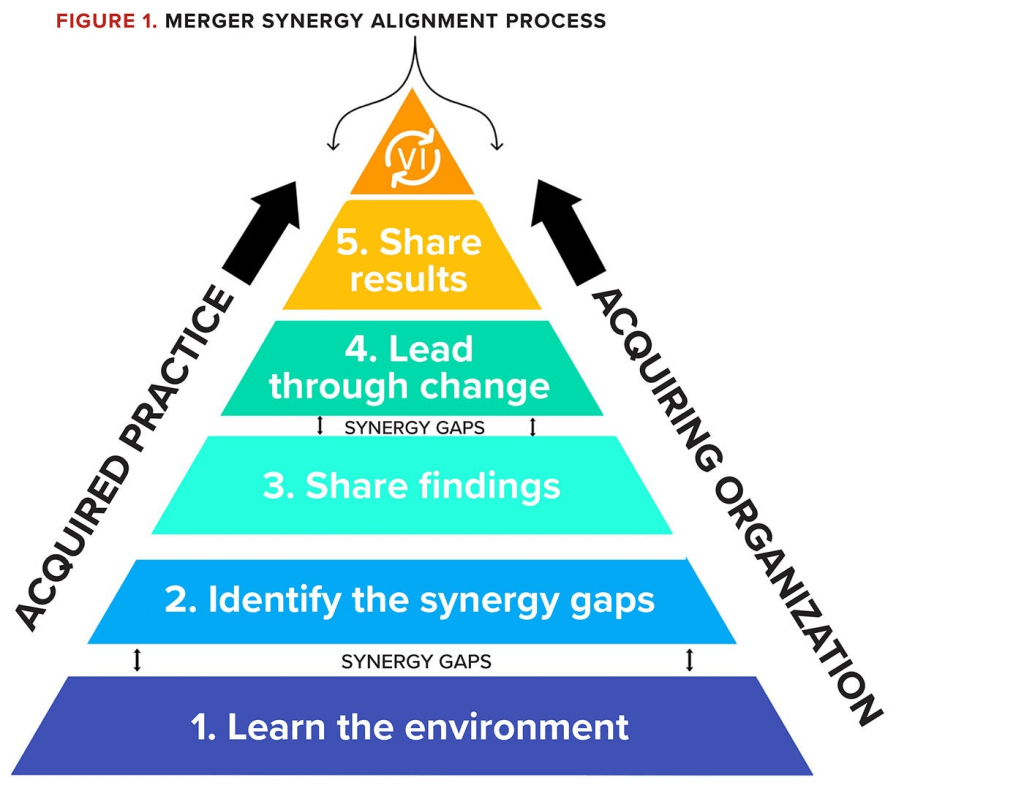
Photo By MGMA
Workflow for Optimizing Patient Flow and Financial Management
Healthcare entrepreneurs can implement the following workflow to optimize patient services and enhance financial sustainability:
1. Optimizing Patient Flow
Pre-visit Registration and Scheduling: Entrepreneurial ventures can offer EHR systems with online scheduling, reducing no-shows and smoothing the patient intake process.
Patient Triage and Prioritization: AI-based triage systems can help in effectively sorting patients, ensuring those with urgent needs are seen promptly.
Resource Allocation: Predictive analytics can anticipate patient inflow, allowing for better staff and resource allocation.
Queue Management: Digital queuing systems can improve the waiting experience and efficiency of patient service.
Post-visit Follow-up: Automated systems can remind patients about medications, tests, or return visits, improving healthcare outcomes.
2. Managing Accounts Receivable (AR)
Billing and Coding Optimization: Proper training and automated tools can ensure accuracy in billing, reducing claim denials.
Claims Submission and Tracking: Electronic submissions and real-time tracking can expedite reimbursements.
Patient Payment Facilitation: Offering multiple payment options and transparent billing practices can improve collection rates.
AR Monitoring: Regular review of AR aging reports can help manage overdue accounts and maintain healthy cash flow.
3. Managing Bad Debt
Credit Risk Assessment: Financial assessments can identify patients’ ability to pay, allowing for appropriate payment plans.
Proactive Collections Strategy: Early intervention and trained staff can effectively manage overdue accounts.
Debt Recovery: Ethical partnerships with collection agencies can recover debts while maintaining patient relationships.
4. Eliminating Revenue Leakage
Revenue Cycle Management (RCM) Audit: Regular audits can identify and address inefficiencies.
Cost Control Measures: Inventory management and negotiated supplier rates can reduce unnecessary expenses.
Fraud Prevention: Strong internal controls and staff education can minimize the risk of financial misconduct.
5. Data-Driven Best Practices for Sustainability
Public-Private Partnerships (PPPs): These collaborations can improve infrastructure and service delivery, as seen in the case of Lesotho’s Queen ‘Mamohato Memorial Hospital.
Local Innovation: AMREF Health Africa’s use of mobile technology for health education exemplifies tailored solutions that resonate with local needs.
Scalability and Replicability: Models like Zipline’s drone delivery service demonstrate the potential for scaling successful healthcare innovations.
Investment in Digital Health: Startups like mPedigree highlight the significant impact of digital solutions on specific health challenges.
Focus on Preventive Care: Ventures such as Hello Tractor show that addressing broader determinants of health can contribute indirectly to healthcare sustainability.
Challenges and Recommendations
Healthcare entrepreneurs face regulatory, funding, and infrastructure barriers. To overcome these challenges, a supportive policy environment, increased investment, mentorship programs, and cross-sector collaboration are essential.
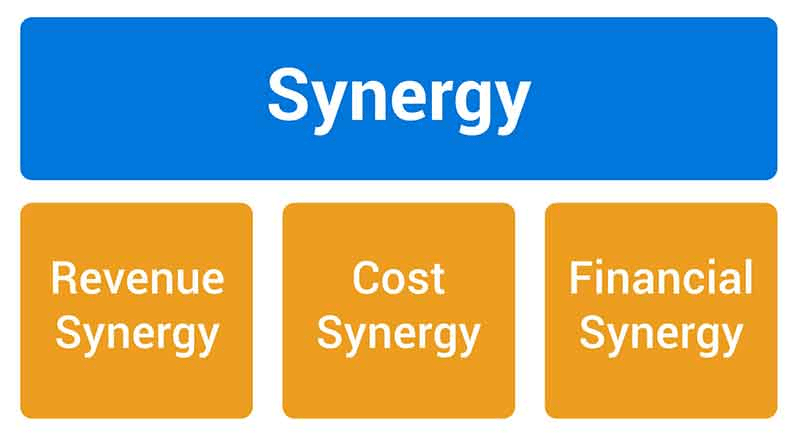
Photo By DealRoom
The intersection of healthcare entrepreneurship and government healthcare settings in Africa is a fertile ground for innovation and progress. By implementing strategic workflows and embracing best practices, entrepreneurs can help optimize patient services and ensure financial sustainability. This synergy is pivotal for building resilient healthcare systems that can withstand challenges and deliver quality care to all Africans. The road ahead is complex, but with the right mix of entrepreneurial spirit and government support, the future of African healthcare looks promising.
Please leave your comments below

 Dr. Hamza Asumah
Leave a comment