
Hamza Asumah, MD, MBA
The healthcare industry, with its intricate web of providers, payers, and patients, presents a unique landscape for entrepreneurs. As a healthcare entrepreneur, understanding the marketplace and carving out a sustainable niche requires a deep dive into two critical strategic exercises: competition analysis and competitive analysis. While these terms may sound similar, they serve distinct purposes and offer different insights that can guide a healthcare business toward success. This blog aims to elucidate the differences between these analyses, present methods for conducting both, and suggest strategies that leverage this information for a thriving healthcare enterprise.
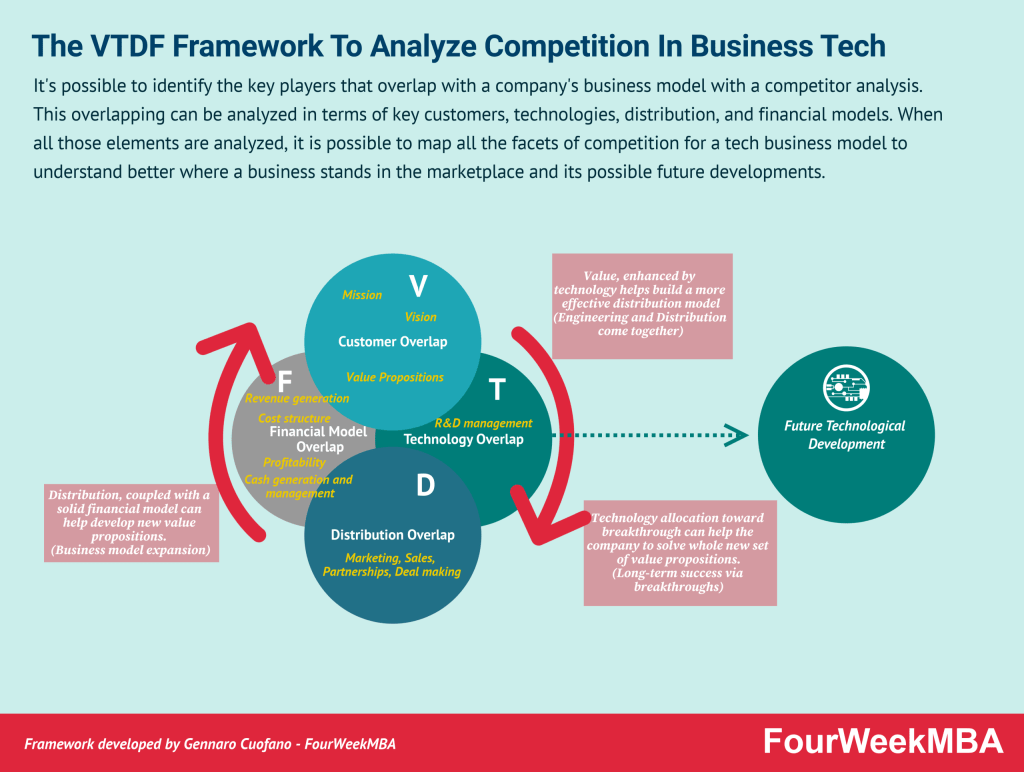
Photo By FourWeekMBA
Understanding the Differences:
1. Competition Analysis:
Competition analysis in healthcare focuses on identifying who your competitors are, assessing their strengths and weaknesses, and understanding their strategies and market positions. It’s about gaining a clear picture of the competitive landscape in which your healthcare business operates. This involves:
Market Share Assessment: Determining the market share of different competitors, which indicates their influence in the industry.
Service Offerings: Examining the range of services provided by competitors, and how those services meet market demands.
Pricing Strategies: Analyzing competitors’ pricing structures to understand how your business can offer value in a cost-effective manner.
Geographical Footprint: Mapping where competitors are located and the areas they serve, which can reveal market saturation or opportunities for expansion.
Reputation and Brand Positioning: Gauging public perception and brand strength of competitors, which can inform your marketing and branding strategies.
2. Competitive Analysis:
On the other hand, competitive analysis is a broader concept that evaluates the overall competitive environment, including indirect competition and potential new entrants, and identifies external opportunities and threats. It’s about understanding the forces that can shape the industry and impact your business. This involves:
Porter’s Five Forces Analysis: A framework for analyzing the level of competition within an industry, considering factors like supplier power, buyer power, the threat of substitutes, the threat of new entrants, and existing competitive rivalry.
SWOT Analysis: Identifying the Strengths, Weaknesses, Opportunities, and Threats related to your healthcare business. This includes external factors that could impact the industry as a whole.
PESTLE Analysis: Examining Political, Economic, Social, Technological, Legal, and Environmental factors that can influence the industry’s landscape and your business’s performance.
Trends Analysis: Keeping an eye on emerging trends in healthcare, such as technological advancements, shifting patient preferences, and regulatory changes, which could present both opportunities and threats.
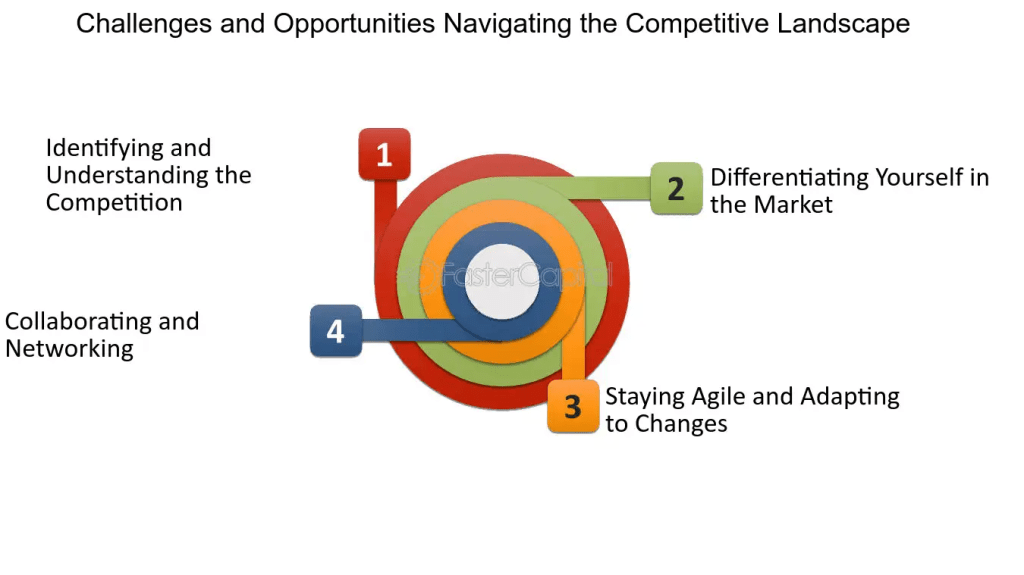
Photo By Foster Capital
How to Conduct Both Analyses in Healthcare Businesses:
To perform both competition and competitive analysis, healthcare entrepreneurs should follow these steps:
1. Gather Data: Collect information from various sources like industry reports, financial statements, customer feedback, and market research to feed into the analyses.
2. Identify Key Players: Pinpoint who the direct competitors are and map out the broader competitive field, including substitutes and potential new entraries.
3. Analyze and Interpret: Use analytical frameworks like Porter’s Five Forces and SWOT to dissect the gathered data and draw meaningful insights.
4. Monitor Continuously: Keep the analyses up-to-date by regularly monitoring changes in the healthcare landscape, as the industry is known for rapid evolution.
Strategy for Success:
Armed with the insights from competition and competitive analyses, healthcare entrepreneurs can devise strategies to navigate the marketplace effectively:
1. Differentiation: Identify unique selling propositions (USPs) that set your healthcare business apart from competitors.
2. Collaboration: Explore partnerships or alliances that can enhance your competitive position.
3. Innovation: Invest in research and development to stay ahead of industry trends and meet emerging patient needs.
4. Market Penetration: Use your understanding of competitors’ weaknesses to capture more market share through targeted marketing efforts.
5. Regulatory Compliance: Stay abreast of healthcare regulations and use compliance as a competitive advantage.

Photo By PlaniumPro
Relevant Data and Evidence:
Evidence supporting these strategies is abundant. For instance, a study by the American Medical Association (AMA) found that market share among healthcare providers is a critical determinant of bargaining power with payers, influencing reimbursement rates and profitability. Moreover, Deloitte’s research on healthcare trends emphasizes the importance of technological innovation, showing that providers who adopt digital health solutions improve patient outcomes and operational efficiency, gaining a competitive edge.
In conclusion, healthcare entrepreneurs must recognize the nuanced differences between competition analysis and competitive analysis to successfully steer their businesses. By conducting both analyses meticulously and crafting informed strategies, entrepreneurs can secure a sustainable competitive advantage in the dynamic healthcare industry. With the right approach, backed by rigorous data and a deep understanding of the market, healthcare businesses can not only survive but thrive amidst the competition.
Please leave your comments below

 Dr. Hamza Asumah
Leave a comment