
Hamza Asumah, MD, MBA
In the ever-evolving landscape of healthcare entrepreneurship, the ability to build and sustain a successful business is critical. By understanding the competitive forces that shape an industry, entrepreneurs can develop robust strategies that mitigate risks and capitalize on opportunities. One such powerful framework for strategic analysis is Porter’s Five Forces model, which provides a comprehensive assessment of the competitive intensity and attractiveness of an industry. In this blog post, we will explore how healthcare entrepreneurs can leverage Porter’s Five Forces to develop strategies for success, backed by relevant data and insights.
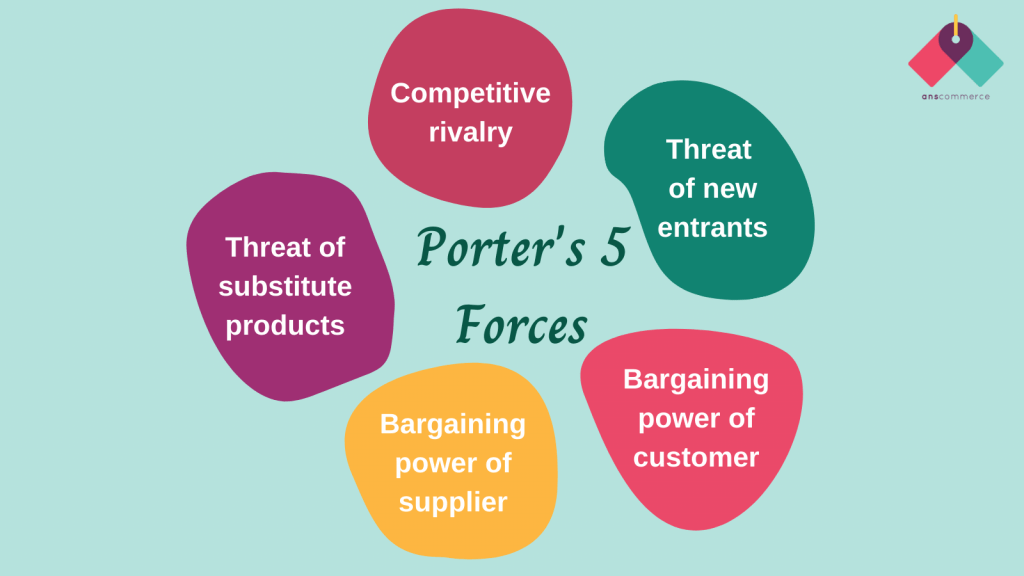
Photo By LinkedIn
Porter’s Five Forces Framework:
Michael Porter’s Five Forces framework analyzes the competitive forces that shape an industry’s profitability and attractiveness. The model consists of the following forces:
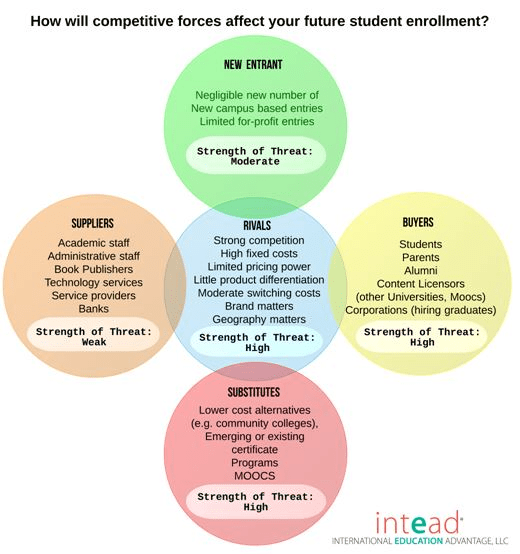
1. Threat of New Entrants: This force assesses the ease with which new competitors can enter the market. In the healthcare industry, barriers to entry can be high due to regulatory requirements, capital intensity, and established networks. Entrepreneurs can use this insight to focus on building unique value propositions and differentiation to deter new entrants.
2. Bargaining Power of Suppliers: Suppliers in the healthcare industry, such as pharmaceutical companies or medical device manufacturers, can exert significant influence through pricing or quality control. By understanding and managing supplier relationships effectively, entrepreneurs can mitigate risks related to supply chain disruptions and cost fluctuations.
3. Bargaining Power of Buyers: Healthcare consumers, including patients, insurance companies, and government bodies, can influence pricing and service quality. Entrepreneurs need to focus on understanding customer needs, delivering value, and building strong relationships to maintain a competitive edge in the market.
4. Threat of Substitutes: Substitutes in the healthcare industry can come in various forms, such as alternative treatments, technologies, or care delivery models. Entrepreneurs should continuously innovate and adapt to changing market dynamics to stay ahead of potential substitutes.
5. Rivalry Among Existing Competitors: Competition in the healthcare industry can be intense, driven by factors such as pricing pressures, technological advancements, and regulatory changes. Entrepreneurs can differentiate their offerings, focus on niche markets, or collaborate with strategic partners to stand out in a crowded marketplace.
Phot By Cascade Strategy
Building Strategies for Success:
By conducting a thorough analysis of each of the five forces, healthcare entrepreneurs can develop tailored strategies that address key industry dynamics and position their businesses for success. Here are some key strategies based on Porter’s Five Forces framework:
1. Differentiation: Focus on creating unique value propositions, innovative solutions, and superior customer experiences to differentiate your business from competitors and attract customers.
2. Strategic Partnerships: Collaborate with suppliers, healthcare providers, technology partners, and other stakeholders to leverage complementary strengths, access new markets, and drive innovation.
3. Market Diversification: Explore opportunities in different segments of the healthcare industry, geographic regions, or customer demographics to spread risk and tap into new growth areas.
4. Cost Leadership: Implement operational efficiencies, cost-saving measures, and streamlined processes to maintain competitive pricing and improve profitability in a highly cost-sensitive industry.
Relevant Data and Insights:
To support the principles outlined above, let’s consider some relevant data and insights that highlight the importance of leveraging Porter’s Five Forces for healthcare entrepreneurship:
1. According to a report by Grand View Research, the global healthcare industry is projected to reach $12 trillion by 2022, driven by factors such as increasing healthcare spending, technological advancements, and growing demand for personalized healthcare services.
2. A study published in the Journal of Medical Internet Research found that healthcare entrepreneurship is on the rise, with an increasing number of startups focusing on digital health, telemedicine, and health informatics to address emerging healthcare challenges.
3. Data from the Centers for Medicare & Medicaid Services (CMS) show that healthcare spending in the United States is expected to grow at an average annual rate of 5.4% from 2019 to 2028, underscoring the need for innovative solutions and cost-effective strategies in the industry.
4. An analysis by McKinsey & Company revealed that healthcare consumers are increasingly seeking convenience, transparency, and personalized care experiences, highlighting the importance of understanding and responding to changing customer preferences.
By leveraging Porter’s Five Forces framework and incorporating relevant data and insights, healthcare entrepreneurs can gain a comprehensive understanding of the industry dynamics, identify strategic opportunities, and build sustainable businesses that thrive in a competitive market environment.
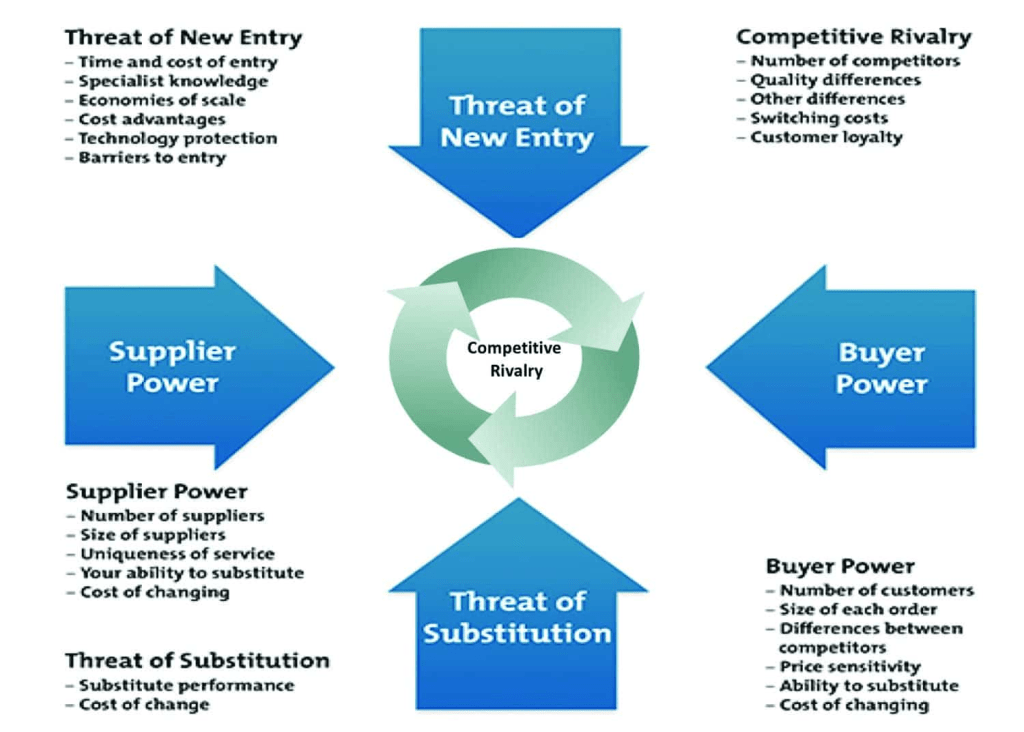
Photo By the Hearing Review
In conclusion, Porter’s Five Forces framework provides a powerful tool for healthcare entrepreneurs to analyze industry dynamics, assess competitive forces, and develop strategies for success. By understanding the unique challenges and opportunities present in the healthcare industry, entrepreneurs can make informed decisions, differentiate their offerings, and create value for customers and stakeholders. Through strategic alignment with Porter’s Five Forces principles, healthcare entrepreneurs can navigate complex market conditions, mitigate risks, and position their businesses for sustainable growth and long-term success in the dynamic healthcare landscape.
Please leave your comments below

 Dr. Hamza Asumah
Leave a comment