
Hamza Asumah, MD, MBA
In the quest for global health equity, the role of healthcare entrepreneurs is both transformative and indispensable. Health equity implies that everyone has a fair and just opportunity to be as healthy as possible, regardless of geographic location, socioeconomic status, or other social determinants. Entrepreneurs, with their innovative spirit and resourcefulness, have the unique potential to address the myriad challenges that impede health equity worldwide.
This comprehensive assessment delves into the multifaceted contributions of healthcare entrepreneurs to global health equity, their strategies for success, and the data underscoring the impact of their enterprises. As we explore the nexus of entrepreneurship and health equity, we aim to provide actionable insights for aspiring healthcare entrepreneurs committed to making a tangible difference.
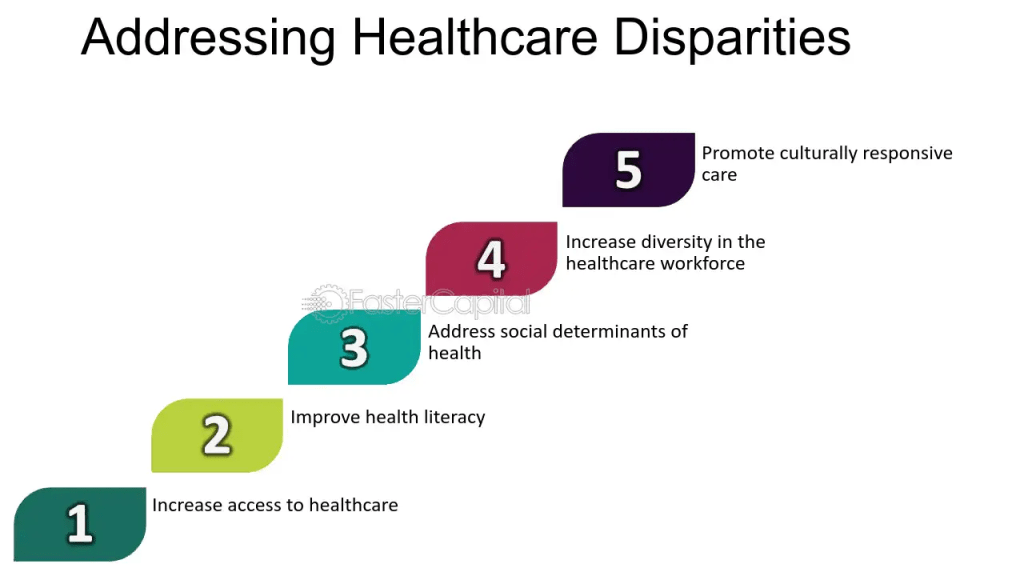
Photo By Foster Capital
The Healthcare Disparity Landscape
Before assessing the role of entrepreneurs, it is essential to understand the global health disparity landscape. According to the World Health Organization (WHO), substantial health inequities persist both between and within countries. For example, life expectancy can vary by up to 18 years between high- and low-income countries. Additionally, a study by Global Health 50/50 in 2021 revealed that lower-income countries face a disproportionately higher burden of disease and less access to healthcare services.
Healthcare Entrepreneurs as Catalysts for Change
Healthcare entrepreneurs act as catalysts for change by designing solutions that bridge gaps in healthcare delivery. They leverage technology, innovative business models, and cross-sector partnerships to enhance access, affordability, and quality of care.
Access to Healthcare
Entrepreneurs have made strides in increasing healthcare access through telemedicine platforms and mobile health (mHealth) applications. For instance, companies like Zipline use drone technology to deliver medical supplies to remote areas, significantly reducing delivery times and potentially saving lives. Data from Zipline’s operations indicate a reduction in medical product waste by 95% and an increase in access to critical blood products by 175% in areas served.
Affordability of Care
Entrepreneurs are also tackling the affordability of care by introducing cost-effective solutions. Generic drug platforms and microinsurance models are two examples. The Health Policy and Planning journal reported that microinsurance schemes have the potential to reduce out-of-pocket expenditures by 25% for low-income populations.
Quality of Healthcare
Quality is another critical pillar. Entrepreneurs are enhancing healthcare quality through AI diagnostics, electronic health records (EHRs), and quality control systems that standardize treatment protocols. Studies, such as those published in The Lancet, have shown that AI can match or exceed the diagnostic accuracy of human clinicians in certain specialties.

Photo By Foster Capital
Principles for Success
For healthcare entrepreneurs to contribute effectively to global health equity, they must adhere to certain principles:
1. Community-Centric Solutions: Entrepreneurs must engage with local communities to ensure their solutions are culturally relevant and address specific needs. Data from community health worker programs show a 24% reduction in child mortality when communities are actively involved in health solution development.
2. Scalability and Sustainability: Business models must be scalable and financially sustainable to have a lasting impact. For instance, Aravind Eye Care System in India operates on a cross-subsidy model, providing affordable eye care at scale while maintaining financial viability.
3. Partnerships and Collaboration: Entrepreneurs should foster partnerships with governments, NGOs, and the private sector. A study by the Brookings Institution highlighted that health-focused public-private partnerships have the potential to improve resource allocation and health outcomes.
4. Innovation and Adaptation: Continuous innovation and the ability to adapt solutions to changing circumstances are crucial. Data from the Global Innovation Index indicate that healthcare sectors that embrace innovation have better health outcomes and equity.
Outcomes and Impact
The impact of healthcare entrepreneurship on global health equity can be profound. The Global Entrepreneurship Monitor (GEM) 2019/2020 report found that high levels of entrepreneurial activity correlate with increased economic growth and improved social conditions, including health.
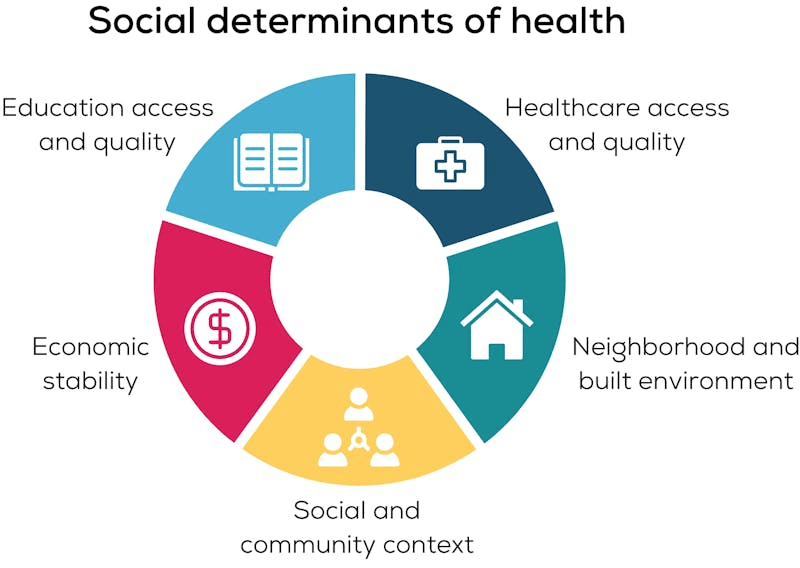
Photo By Matter Chicago
Healthcare entrepreneurs have a critical role to play in reducing global health disparities and achieving health equity. By focusing on access, affordability, and quality, and adhering to principles of community engagement, scalability, partnerships, and innovation, they can build successful businesses that contribute meaningfully to the health and well-being of populations worldwide. The data supports the principle that entrepreneurial ventures in healthcare are not only a catalyst for economic growth but also for the promotion of a healthier, more equitable world. Aspiring healthcare entrepreneurs must therefore approach their endeavors with a deep sense of purpose, commitment, and strategic insight to realize their vision of a more equitable healthcare landscape for all.
Please leave your comments below

 Dr. Hamza Asumah
Leave a comment