
Hamza Asumah, MD, MBA
In the dynamic and competitive world of healthcare, building a strong brand is essential for healthcare entrepreneurs looking to establish a successful business. A robust brand not only differentiates a healthcare organization from its competitors but also builds trust and credibility among patients, healthcare professionals, and stakeholders. In this blog post, we will delve into the key elements of building a strong healthcare brand, including brand messaging, positioning, and the critical importance of trust and credibility. We will also explore relevant data and case studies to support the principles outlined.
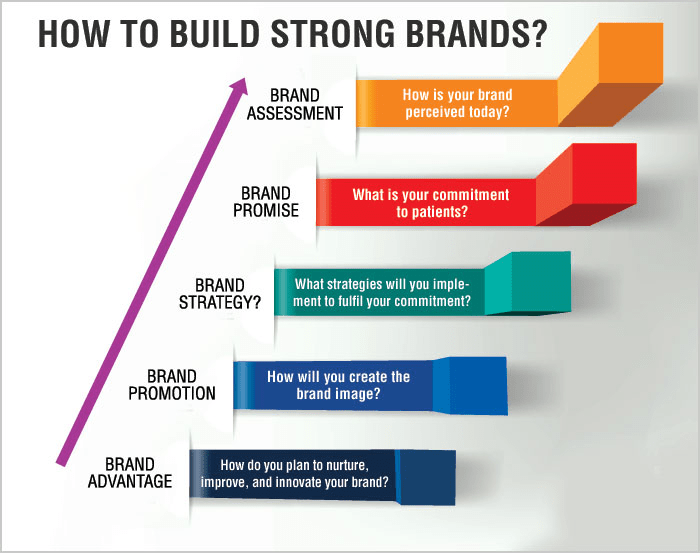
Photo By Practice Builders
Key Elements of Building a Strong Healthcare Brand
1. Brand Messaging: Crafting a clear and compelling brand message is crucial for healthcare entrepreneurs. The message should communicate the unique value proposition of the healthcare organization, what sets it apart from competitors, and the benefits it offers to patients. Effective brand messaging should be simple, memorable, and resonate with the target audience. For example, Cleveland Clinic’s tagline “Patients First” succinctly conveys its commitment to patient-centered care.
2. Positioning: Positioning defines how a healthcare brand is perceived in the minds of consumers. Healthcare entrepreneurs must strategically position their brand to occupy a distinct and favorable space in the market. This involves identifying the target market, understanding their needs, and aligning the brand’s attributes with those needs. Mayo Clinic, known for its expertise and patient-focused care, has successfully positioned itself as a premier healthcare institution.
3. Trust and Credibility: Trust and credibility are paramount in the healthcare industry, where patients entrust their well-being to healthcare providers. Building trust requires transparency, consistency, and a focus on patient outcomes. Healthcare entrepreneurs can enhance credibility by showcasing testimonials, patient success stories, quality certifications, and endorsements from healthcare professionals. Studies have shown that 84% of patients trust online reviews as much as personal recommendations, emphasizing the importance of trust in healthcare branding.
The Importance of Trust and Credibility in Healthcare Branding
Trust and credibility are the cornerstones of a strong healthcare brand. Patients seek healthcare providers they can trust to deliver high-quality care and prioritize their well-being. A study conducted by the Journal of Medical Internet Research found that 94% of patients consider reputation an essential factor when choosing a healthcare provider.
To build trust and credibility, healthcare entrepreneurs must prioritize patient safety, data security, and ethical practices. Compliance with industry regulations and standards, such as HIPAA in the United States, is essential for maintaining trust with patients and safeguarding their sensitive health information.
Moreover, fostering open communication, empathy, and transparency in patient interactions can strengthen the patient-provider relationship and enhance trust. Healthcare organizations that prioritize patient satisfaction and outcomes are more likely to earn positive reviews, referrals, and long-term loyalty from patients.

Photo By Radiant Marketing
Case Study
One exemplary case of a healthcare brand that has successfully built trust and credibility is Johns Hopkins Medicine. Johns Hopkins has a long-standing reputation for excellence in patient care, research, and education. By consistently delivering superior medical services, conducting cutting-edge research, and upholding ethical standards, Johns Hopkins has earned the trust of patients worldwide.
The healthcare system’s commitment to innovation, patient safety, and community engagement has solidified its position as a trusted healthcare provider. Johns Hopkins Medicine’s brand embodies integrity, expertise, and compassion, resonating with patients and healthcare professionals alike.
Building a strong brand in the healthcare space is essential for healthcare entrepreneurs to succeed in a competitive market. By focusing on key elements such as brand messaging, positioning, and trust and credibility, healthcare entrepreneurs can differentiate their brand, attract patients, and foster long-term relationships with stakeholders.
Relevant Data Supporting the Principles
1. Brand Loyalty: According to a study by PwC, 32% of consumers say they are more likely to stay with a brand they trust, even if another brand offers a similar product or service for a lower price. This highlights the importance of trust and credibility in building brand loyalty among patients.
2. Online Reviews: Research shows that 77% of patients use online reviews as the first step in finding a new healthcare provider. Positive reviews that highlight trustworthiness, expertise, and patient-centered care can significantly impact a healthcare brand’s reputation and attract new patients.
3. Patient Satisfaction: A study published in the Journal of Patient Experience found that patient satisfaction is strongly associated with perceptions of trust in healthcare providers. Healthcare organizations that prioritize patient satisfaction through quality care, communication, and empathy are more likely to earn patient trust and loyalty.
4. Brand Reputation A survey conducted by Deloitte revealed that 81% of consumers trust advice from friends and family about healthcare services. By building a strong brand reputation based on trust, credibility, and positive patient experiences, healthcare entrepreneurs can leverage word-of-mouth referrals to attract new patients.
Photo By Radiant Marketing
In the competitive landscape of healthcare, building a strong brand is essential for healthcare entrepreneurs to establish credibility, attract patients, and differentiate their services. By focusing on key elements such as brand messaging, positioning, and trust and credibility, healthcare entrepreneurs can create a compelling brand identity that resonates with patients and stakeholders.
Effective brand messaging communicates the unique value proposition of the healthcare organization, while strategic positioning defines how the brand is perceived in the market. Trust and credibility are fundamental in healthcare branding, as patients seek providers they can trust to deliver high-quality care and prioritize their well-being.
By leveraging relevant data and case studies to support these principles, healthcare entrepreneurs can gain insights into consumer behavior, patient preferences, and industry trends to inform their branding strategies. Ultimately, a strong healthcare brand built on trust, credibility, and patient-centered care can lead to long-term success, growth, and positive outcomes for both healthcare organizations and the patients they serve.
Please leave your comments below.

 Dr. Hamza Asumah
Leave a comment