Hamza Asumah, MD, MBA
The healthcare industry has always been at the forefront of adopting cutting-edge technologies to improve patient outcomes, enhance the training of medical professionals, and streamline operations. Among the most transformative technologies in recent years are Augmented Reality (AR) and Virtual Reality (VR). These immersive technologies are reshaping medical training and patient education, offering healthcare entrepreneurs opportunities to build successful businesses. In this blog, we will delve into how AR and VR are revolutionizing these fields and discuss the data that supports the effectiveness of these innovations.
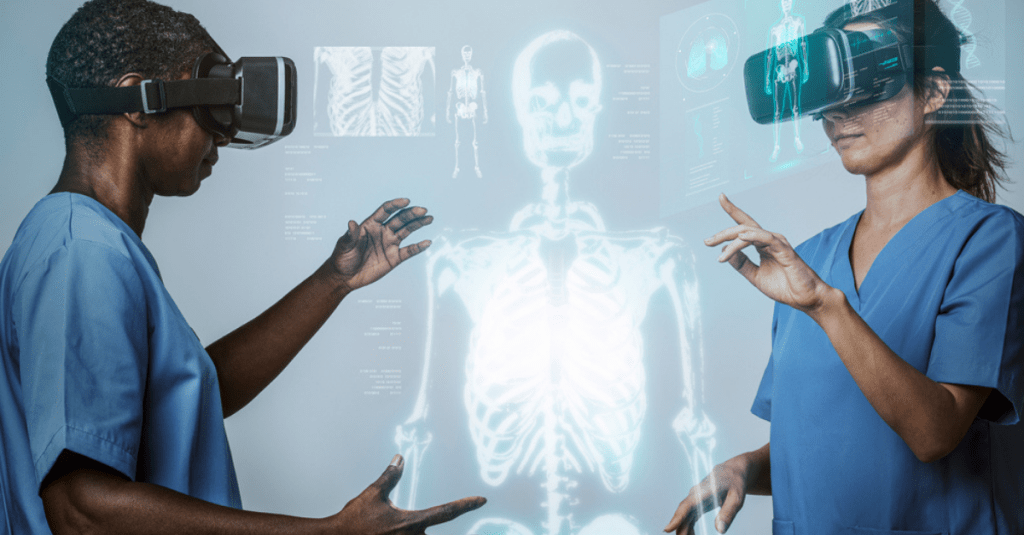
Photo By Nolij Consulting
Understanding AR and VR in Healthcare
Before we explore the impact of AR and VR, it’s important to distinguish between the two:
Augmented Reality (AR): AR overlays digital information onto the real world. In healthcare, this can mean projecting anatomical models onto a patient for educational purposes or assisting surgeons with real-time, image-guided surgery.
Virtual Reality (VR): VR creates a completely immersive environment that can simulate real-life situations or create entirely new worlds. In medical training, this allows practitioners to practice procedures in a controlled, virtual space.
Transforming Medical Training with AR and VR
Medical training is a critical area where AR and VR have made substantial inroads. Traditional medical education often relies on textbooks, cadavers, and on-the-job training. However, these methods have limitations, including the availability of cadavers, the inability to simulate rare conditions, and the risk of learning from potentially dangerous mistakes on real patients.
With VR, medical students and professionals can practice surgeries and procedures in a risk-free, virtual environment as often as needed. This hands-on experience is invaluable for building confidence and competence. A study published in the Harvard Business Review reported that VR-trained surgeons had a 230% boost in their overall performance compared to their traditionally trained counterparts. Another study led by the University of California, Los Angeles, indicated that medical students trained with VR were 130% faster at completing a procedure and made 6 times fewer errors than those trained with traditional methods.
In addition to procedural training, VR can simulate patient interactions for students to practice soft skills, such as delivering bad news or obtaining informed consent. This holistic approach to medical education produces more empathetic and effective healthcare professionals.
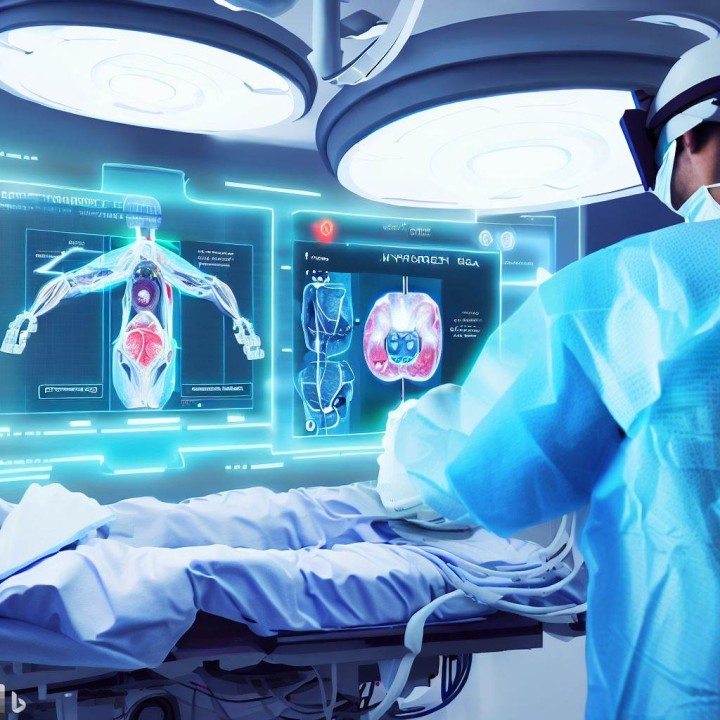
Photo By LinkedIn
Patient Education and the Role of AR
When it comes to patient education, AR has proven to be a powerful tool. By visualizing complex medical conditions and treatments, patients can better understand their health and make informed decisions. For instance, an AR app can show how a medication interacts with the body, or illustrate the progression of a disease like diabetes.
Studies have shown that AR can significantly improve patient comprehension. A retrospective analysis published in the Journal of Medical Internet Research found that AR educational tools enhanced the understanding of spinal conditions in 88% of patients. Improved comprehension is directly linked to better patient outcomes, adherence to treatment plans, and overall satisfaction with care.
The Business Case for AR/VR in Healthcare
For healthcare entrepreneurs, the growing evidence supporting AR and VR in medical training and patient education presents a ripe opportunity. The global AR and VR in healthcare market was valued at approximately $1.08 billion in 2018 and is expected to reach $7.05 billion by 2026, growing at a compound annual growth rate (CAGR) of 27.2% from 2019 to 2026, according to data from Allied Market Research.
To capitalize on this growth, startups should consider the following strategies:
1. Partnerships with Medical Institutions: Collaborating with medical schools, hospitals, and clinics can provide a direct channel to the end-users of AR/VR technology – the healthcare professionals and patients. These partnerships can also facilitate feedback loops for product improvement.
2. Focus on Specialized Training Modules: Given the high costs associated with medical errors, there is a demand for specialized training modules. VR simulations that cater to high-risk procedures or rare conditions can be particularly valuable.
3. Leverage Data Analytics: Incorporating data analytics into AR/VR applications can provide insights into user performance and learning outcomes, enabling personalized learning experiences and continuous improvement of the technology.
4. Patient-Centric Design: When developing AR tools for patient education, it’s essential to prioritize user-friendly interfaces and accessible content. The effectiveness of these tools depends on their ability to engage and educate a diverse patient population.
5. Compliance and Privacy: Any AR/VR solution in healthcare must adhere to regulatory standards, such as HIPAA in the United States, to ensure patient data is protected.
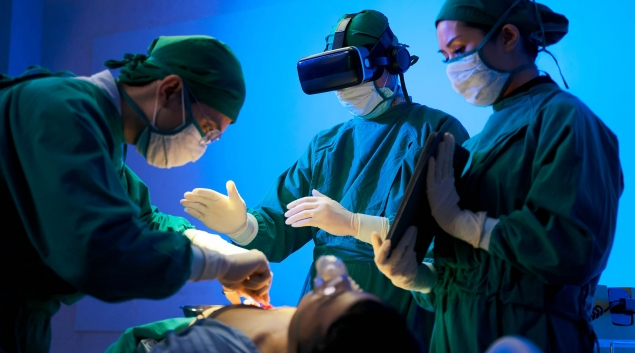
Photo By Healthcare Finance News
The innovations brought by AR and VR in medical training and patient education are not just futuristic concepts – they are practical tools that are reshaping the healthcare industry today. By leveraging these technologies, healthcare entrepreneurs can not only build successful businesses but also contribute to a more efficient, effective, and empathetic healthcare system.
For startups looking to venture into this space, the key is to stay informed about the latest research, understand the needs of medical professionals and patients.
Please leave comments below

 Dr. Hamza Asumah
Leave a comment