
Hamza Asumah, MD, MBA
The state of healthcare workforce development and training in Africa is a critical issue that demands urgent attention. As the continent continues to grapple with significant health challenges, the need for a skilled and empowered healthcare workforce has never been more pronounced. In this blog, we will delve into the importance of building a proficient healthcare workforce in Africa and the pivotal role of entrepreneurship in training and retaining health professionals. We will also explore the transformative potential of online platforms, simulation-based training, and partnerships with educational institutions in shaping the future of healthcare in the region.
Photo By LinkedIn
The Significance of a Skilled Healthcare Workforce in Africa
Africa faces a myriad of healthcare challenges, including high disease burden, inadequate infrastructure, and limited access to quality care. The scarcity of skilled healthcare professionals exacerbates these challenges, leading to suboptimal health outcomes for millions of people across the continent. According to the World Health Organization (WHO), the average density of physicians in Africa is significantly lower than the global average, with some countries facing severe shortages. This scarcity of healthcare workers hampers the delivery of essential health services and undermines efforts to achieve universal health coverage.
Additionally, the burden of disease in Africa is evolving, with non-communicable diseases (NCDs) on the rise alongside persistent challenges such as infectious diseases and maternal and child health issues. Addressing this complex landscape requires a healthcare workforce that is not only well-trained and equipped but also adaptable and innovative in its approach to care delivery.
Entrepreneurship in Healthcare Training and Retention
Entrepreneurship in healthcare training presents a promising avenue for addressing the shortage of skilled professionals in Africa. By fostering a culture of entrepreneurship among health professionals, it becomes possible to cultivate a self-sustaining ecosystem that encourages innovation, knowledge exchange, and the development of specialized skills.
Entrepreneurial initiatives can take various forms, including the establishment of private training institutions, mentorship programs, and support for healthcare professionals seeking to launch their own practices or healthcare-related businesses. These endeavors not only contribute to the expansion of the healthcare workforce but also play a vital role in retaining talent within the continent, as professionals are empowered to create meaningful opportunities within their own communities.
Photo By Third Way
Furthermore, entrepreneurship in healthcare training can catalyze the development of specialized skills tailored to the unique healthcare challenges faced by different regions in Africa. Whether it involves training community health workers in remote areas or equipping professionals with expertise in managing specific diseases, entrepreneurship can be a driving force behind the creation of a diverse and adaptable healthcare workforce.
The Role of Online Platforms in Healthcare Training
The rapid advancement of digital technology has brought about a transformation in the way healthcare training is delivered. Online platforms offer a wealth of opportunities for expanding access to education and training for healthcare professionals across Africa. These platforms can facilitate continuous learning, allowing professionals to stay updated on the latest medical advancements, best practices, and evidence-based interventions.
Moreover, online platforms enable the delivery of specialized training programs that may not be readily available in traditional educational settings. For instance, healthcare professionals in remote or underserved areas can access training in specialized fields such as telemedicine, public health, or disease management through online courses and virtual learning environments.
According to the International Telecommunication Union (ITU), the number of internet users in Africa has been steadily increasing, reaching over 525 million by the end of 2020. This growing connectivity presents a ripe opportunity to harness online platforms for healthcare workforce development and training. Leveraging this digital infrastructure can help bridge the gap in access to quality education and training for healthcare professionals, ultimately contributing to the overall improvement of healthcare delivery across the continent.
Photo By People Hum
Simulation-Based Training for Healthcare Professionals
Simulation-based training has emerged as a valuable tool for enhancing the skills and competencies of healthcare professionals. Through the use of advanced simulators and virtual scenarios, healthcare workers can engage in realistic, hands-on training that mirrors actual clinical settings. This approach is particularly effective in preparing professionals for complex medical procedures, emergency response, and critical decision-making.
In the context of Africa, where access to real-life clinical experiences may be limited, simulation-based training offers a means of supplementing traditional clinical placements and experiential learning. This is especially pertinent in resource-constrained settings, where the availability of high-fidelity simulators can provide a safe and controlled environment for healthcare professionals to refine their skills and improve patient outcomes.
Furthermore, simulation-based training can be tailored to address specific healthcare challenges prevalent in African contexts, such as maternal and child health, infectious disease management, and primary care interventions. By immersing professionals in lifelike scenarios, this approach fosters critical thinking, teamwork, and confidence in handling diverse clinical situations.
Partnerships with Educational Institutions for Sustainable Development
Collaboration with educational institutions is fundamental to the sustainable development of the healthcare workforce in Africa. By forging strong partnerships with universities, colleges, and vocational training centers, healthcare organizations and policymakers can contribute to the design and implementation of relevant, evidence-based curricula that meet the evolving needs of the healthcare sector.
These partnerships can also facilitate the exchange of expertise, resources, and best practices between academic institutions and healthcare facilities, promoting a seamless transition for students entering the workforce. Additionally, joint initiatives can support the establishment of clinical training sites, where students can gain practical experience under the guidance of experienced healthcare professionals.
Moreover, educational partnerships can serve as a conduit for research and innovation in healthcare. By engaging with academic institutions, healthcare organizations can leverage the intellectual capital of researchers and students to drive advancements in healthcare delivery, technology, and policy. This collaborative approach not only enhances the quality of education but also contributes to the overall improvement of healthcare systems in Africa.
Research Data and Information Supporting Workforce Development
Research conducted by the African Development Bank (AfDB) highlights the pressing need for skilled healthcare workers in Africa, particularly in the context of addressing the Sustainable Development Goals (SDGs) related to health. According to the AfDB, the shortage of healthcare professionals in Africa is a critical barrier to achieving universal health coverage and reducing preventable deaths.
Furthermore, a study published in The Lancet emphasizes the impact of training and deploying community health workers in rural and underserved areas of Africa. The research underscores the potential of community-based training programs to improve access to essential healthcare services and reduce health disparities.
A report by the World Bank emphasizes the role of digital technology in expanding access to healthcare training in low-resource settings. The findings underscore the transformative potential of online platforms in reaching healthcare professionals who may be geographically isolated or lacking in educational opportunities.
In addition, a study published in the Journal of Medical Education delves into the effectiveness of simulation-based training in improving the clinical skills of healthcare professionals. The research demonstrates the positive impact of simulation training on competencies such as resuscitation, trauma management, and diagnostic reasoning.
Photo By Faster Capital
The development and training of a skilled healthcare workforce is pivotal to the advancement of healthcare in Africa. Through entrepreneurship, online platforms, simulation-based training, and strategic partnerships with educational institutions, the continent can address the pressing need for well-equipped and adaptable healthcare professionals. By leveraging these approaches, African countries can foster a culture of innovation, improve access to quality education, and enhance the overall capacity of their healthcare systems.
As we look to the future, it is imperative that governments, healthcare organizations, educational institutions, and international partners collaborate to prioritize and invest in healthcare workforce development and training. Policy frameworks should be designed to support entrepreneurship in healthcare, facilitate the integration of online platforms into training programs, and promote the widespread adoption of simulation-based training methodologies.
In addition, resource allocation and funding mechanisms should be directed toward expanding educational opportunities for healthcare professionals, particularly in underserved regions. This includes investing in infrastructure for online learning, establishing simulation centers, and creating incentives for healthcare professionals to engage in continuous learning and skill development.
Furthermore, it is essential to foster a supportive regulatory environment that encourages innovation and the establishment of private training initiatives. By removing barriers to entrepreneurship in healthcare training, governments can empower professionals to take an active role in shaping the future of healthcare delivery in their communities.
Ultimately, the transformation of healthcare in Africa hinges on the cultivation of a highly skilled, resilient, and compassionate workforce. By embracing entrepreneurship, harnessing the potential of online platforms, integrating simulation-based training, and fostering meaningful partnerships with educational institutions, African countries can lay the groundwork for a healthcare workforce that is prepared to meet the evolving health needs of the continent.
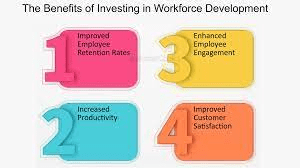
Photo By Faster Capital
As we move forward, it is crucial to continuously monitor and evaluate the impact of workforce development and training initiatives, leveraging data and research to inform evidence-based policies and practices. By doing so, we can ensure that the healthcare workforce in Africa is not only adequately prepared to address current health challenges but is also poised to drive innovation and excellence in healthcare delivery for generations to come.
The journey toward building a skilled healthcare workforce in Africa is both a formidable challenge and a remarkable opportunity. By embracing a multifaceted approach to workforce development and training, Africa can position itself at the forefront of healthcare innovation and make significant strides toward achieving health equity and universal access to quality care for all its people.
Please leave your comments below

 Dr. Hamza Asumah
Leave a comment