
Hamza Asumah, MD, MBA
In low-resource settings across Africa, the challenge of financing healthcare has been a longstanding barrier to delivering quality healthcare services to the population. However, amidst these challenges, a wave of healthcare entrepreneurs and innovators are pioneering new and sustainable approaches to financing healthcare, including community-based health insurance, crowdfunding, and partnerships with the private sector. This blog aims to explore the innovative strategies being employed to finance healthcare in Africa, the challenges faced, and the opportunities for achieving sustainability and scale.

Photo By The United Nations
Community-Based Health Insurance
Community-based health insurance (CBHI) has emerged as a promising approach to health financing in low-resource settings. CBHI schemes are designed to pool resources within a community to provide financial protection and access to healthcare services for members. These schemes are often managed by local organizations and are tailored to the specific needs and contexts of the communities they serve.
Research data from the World Health Organization (WHO) indicates that CBHI schemes have shown promise in improving access to healthcare services in low-resource settings. For example, in Rwanda, the Mutuelles de Santé program has significantly increased the population’s access to healthcare services, with over 90% of the population enrolled in the scheme as of 2019.
One of the key challenges associated with CBHI schemes is achieving financial sustainability. Many of these schemes struggle to generate sufficient revenue to cover healthcare costs, leading to financial deficits and limited benefits for members. However, innovative approaches, such as risk pooling with larger insurance providers or integrating technology for efficient administration, are being explored to address these challenges.
Crowdfunding for Healthcare
In recent years, crowdfunding has emerged as a popular and effective tool for financing healthcare in low-resource settings. Online platforms and social media have facilitated the ability of individuals and organizations to raise funds for medical treatments, surgeries, and healthcare initiatives.
Research from the Pew Research Center indicates that crowdfunding for healthcare is on the rise globally, with a significant impact in developing countries. In Africa, crowdfunding has been used to finance a wide range of healthcare needs, from covering the costs of life-saving surgeries to supporting community health projects.
Challenges associated with crowdfunding for healthcare include the potential for fraud, the reliance on individual generosity, and the limited scalability of this approach. However, innovative platforms and initiatives that focus on transparency, accountability, and partnerships with healthcare providers are working to address these challenges and maximize the impact of healthcare crowdfunding in low-resource settings.

Photo By New Security Beat
Partnerships with the Private Sector
Partnerships with the private sector have the potential to significantly impact the sustainability and scale of healthcare financing in low-resource settings. Collaborations between healthcare entrepreneurs, non-governmental organizations, and private companies can leverage resources, expertise, and technologies to improve access to healthcare services and strengthen health systems.
Research from the Brookings Institution highlights the potential of public-private partnerships in healthcare to drive innovation, expand access, and improve the quality of care. In Africa, examples of successful partnerships include collaborations between pharmaceutical companies and local healthcare providers to improve access to essential medicines and treatments.
However, challenges such as aligning the interests of public and private stakeholders, ensuring equity in access to healthcare services, and maintaining accountability and transparency in partnerships must be carefully navigated to achieve sustainable impact.
The Way Forward: Addressing Challenges and Seizing Opportunities
To ensure the sustainability and scale of innovative healthcare financing models in low-resource settings, it is crucial to address the challenges while leveraging the opportunities presented by these approaches.
1. Regulatory Frameworks and Policy Support: Governments and regulatory bodies play a critical role in creating an enabling environment for innovative healthcare financing. Clear and supportive regulatory frameworks can foster the growth of community-based health insurance schemes, ensure transparency and accountability in crowdfunding initiatives, and facilitate effective public-private partnerships. Additionally, supportive policies can incentivize private sector engagement in healthcare while safeguarding the interests of the population.
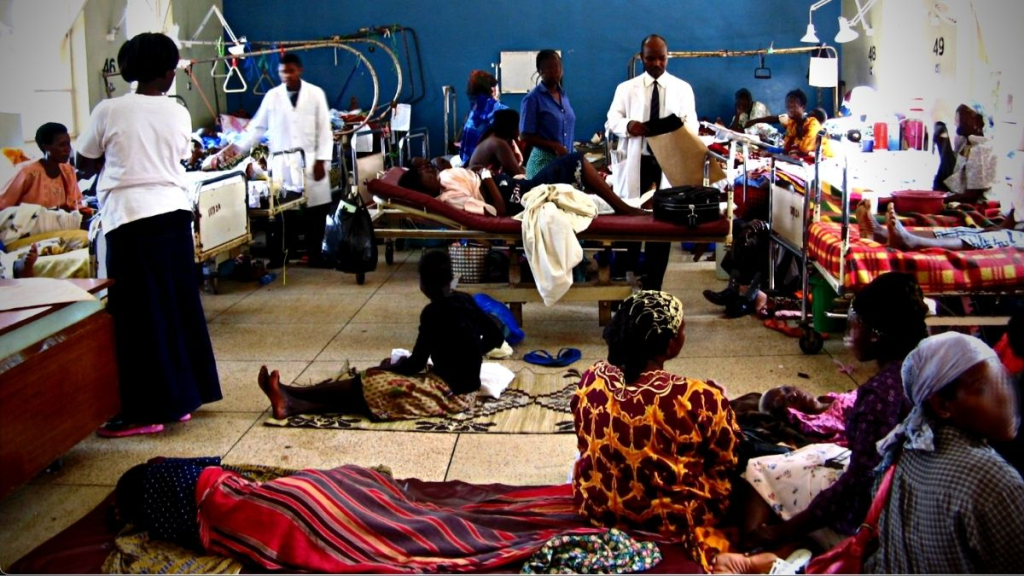
Photo By Biz News
2. Data-Driven Decision Making: Data collection and analysis are essential for understanding the impact of innovative healthcare financing models and identifying areas for improvement. Robust data systems can provide insights into the effectiveness of community-based health insurance, crowdfunding campaigns, and private sector partnerships, guiding informed decision-making and resource allocation.
3. Technology Integration: Leveraging technology can enhance the efficiency and effectiveness of healthcare financing models. Digital platforms can streamline the administration of community-based health insurance, provide a transparent and secure infrastructure for crowdfunding, and facilitate the implementation of public-private partnerships. Mobile money and digital payment systems can also improve the accessibility and affordability of healthcare financing for underserved populations.
4. Community Engagement and Empowerment: Involving communities in the design and governance of healthcare financing initiatives is crucial for their success. Community buy-in and participation can bolster the sustainability of health insurance schemes, foster trust in crowdfunding efforts, and ensure that public-private partnerships are aligned with the needs of the population.
5. Capacity Building and Knowledge Sharing: Investing in the training and capacity building of healthcare entrepreneurs, community leaders, and healthcare providers can strengthen the implementation and management of innovative healthcare financing models. Furthermore, promoting knowledge sharing and best practices across different regions and countries can accelerate the adoption of successful approaches and mitigate potential pitfalls.
6. Collaboration and Cross-Sectoral Partnerships: Collaboration between governments, non-governmental organizations, private sector entities, and international development agencies is essential for addressing complex healthcare financing challenges. By fostering cross-sectoral partnerships, stakeholders can combine their resources, expertise, and networks to drive sustainable impact and reach underserved populations effectively.
Co

Photo By World Health Organization
The quest for sustainable health financing in low-resource settings in Africa has catalyzed a wave of innovation and entrepreneurship in healthcare. Community-based health insurance, crowdfunding, and partnerships with the private sector are reshaping the landscape of healthcare financing, offering hope for improved access to quality healthcare services for millions of people. While these innovations present significant opportunities, they also come with inherent challenges that must be addressed to achieve sustainability and scale.
Please leave your comment below

 Dr. Hamza Asumah
Leave a comment