
Hamza Asumah, MD, MBA
In the fast-evolving landscape of healthcare entrepreneurship, visionary leadership has emerged as the cornerstone of success. Fostering a culture of innovation, inspiring teams, attracting investments, and driving organizational success all hinge upon the ability of healthcare entrepreneurs to develop and communicate a clear and compelling vision. In this blog, we will delve into the intricacies of visionary leadership in the healthcare sector, exploring how different leadership styles can be adapted to various situations and supported by detailed research data and information.

Photo By Healthcare Finance News
Visionary Leadership in Healthcare Entrepreneurship
Understanding the Essence of Visionary Leadership
Visionary leadership in healthcare entrepreneurship encompasses the ability to articulate a clear and inspiring vision that aligns with the organization’s mission and values. This vision serves as a guiding light, propelling the team forward and instilling a sense of purpose and direction. A visionary leader in healthcare must possess the acumen to anticipate industry trends, technological advancements, and patient needs, thereby steering the organization towards sustainable growth and innovation.
Inspiring Teams through Visionary Leadership
Empowering and motivating teams is a critical aspect of visionary leadership. Healthcare entrepreneurs must foster a culture of collaboration, creativity, and continuous learning within their organizations. By effectively communicating the vision, leaders can instill a sense of ownership and passion among their teams, thereby driving them to achieve remarkable outcomes. Research by Gallup shows that organizations with highly engaged teams outperform their peers by 147% in earnings per share.
Attracting Investment through a Compelling Vision
A compelling vision not only galvanizes internal teams but also serves as a magnet for investors and stakeholders. By articulating a clear roadmap for the future and demonstrating a deep understanding of market dynamics and patient needs, healthcare entrepreneurs can attract strategic investments to fuel their ventures. According to a report by PitchBook, visionary leadership significantly enhances the likelihood of securing funding, as investors are drawn to leaders who exhibit a keen grasp of industry challenges and opportunities.
Driving Organizational Success with Visionary Leadership
Visionary leadership paves the way for organizational success by fostering agility, adaptability, and a relentless pursuit of excellence. By aligning the vision with strategic goals and operational tactics, healthcare entrepreneurs can navigate through complex regulatory environments, technological disruptions, and competitive pressures. A study published in the Journal of Healthcare Leadership indicates that organizations led by visionary leaders exhibit higher levels of innovation, patient satisfaction, and financial performance.

Photo By Emeritus
Adapting Leadership Styles in the Healthcare Sector
Transformational Leadership
The healthcare sector, characterized by its dynamic nature and intricate challenges, often necessitates transformational leadership. Transformational leaders inspire change, foster innovation, and encourage the personal and professional growth of their teams. This style of leadership is particularly effective in driving organizational transformation, such as the adoption of new technologies, process improvements, and patient-centered care models.
Servant Leadership
In healthcare, where empathy, compassion, and patient care are paramount, servant leadership holds significant relevance. Servant leaders prioritize the well-being of their teams and patients, emphasizing collaboration, humility, and ethical decision-making. Research in the Journal of Medical Ethics highlights the positive impact of servant leadership on healthcare outcomes, employee satisfaction, and organizational culture.
Adaptive Leadership
The ever-evolving landscape of healthcare demands leaders who can adeptly navigate uncertainty and lead their organizations through change. Adaptive leadership revolves around the ability to mobilize teams, experiment with new strategies, and learn from failure. Healthcare entrepreneurs employing adaptive leadership recognize the need to continuously adapt to shifting market dynamics, regulatory requirements, and technological advancements. Research from the Harvard Business Review underscores the significance of adaptive leadership in healthcare, particularly in managing complex organizational change and fostering resilience.
Situational Leadership
Situational leadership emphasizes the need for leaders to adapt their style based on the specific circumstances and the readiness level of their team members. In the healthcare sector, where multidisciplinary teams collaborate to deliver patient care, situational leadership enables leaders to provide the right guidance and support tailored to the unique needs of each situation. A study published in the Journal of Healthcare Management highlights the positive impact of situational leadership on team performance and patient outcomes.

Photo By Emeritus
Developing and Communicating a Vision
Leveraging Data and Market Insights
Developing a visionary leadership style in healthcare entrepreneurship begins with a deep understanding of market trends, patient demographics, and technological advancements. By leveraging data analytics, market research, and patient feedback, healthcare entrepreneurs can gain valuable insights to inform their vision. For instance, analyzing epidemiological data and emerging healthcare technologies can enable leaders to anticipate future healthcare needs and align their vision with industry trends.
Collaborative Vision Development
Effective visionary leadership involves engaging key stakeholders, including healthcare professionals, patients, investors, and community leaders, in the vision development process. By fostering a collaborative approach, leaders can gain diverse perspectives and expertise, ensuring that the vision resonates with all stakeholders. Research in the Journal of Leadership & Organizational Studies emphasizes the importance of inclusive vision development in promoting organizational commitment and alignment.
Storytelling and Communication
Once the vision is crystallized, effective communication becomes paramount. Visionary leaders in healthcare entrepreneurship must master the art of storytelling, weaving a narrative that evokes passion, purpose, and a sense of urgency. By communicating the vision through compelling narratives, visuals, and interactive forums, leaders can create an emotional connection that inspires and mobilizes their teams. Research in the Harvard Business Review underscores the impact of storytelling in driving organizational change and fostering a shared sense of purpose.
Overcoming Challenges and Resilience
Navigating Regulatory Complexity
Healthcare entrepreneurship is intricately tied to regulatory frameworks, compliance requirements, and quality standards. Visionary leaders must navigate this complex landscape by fostering a culture of transparency, ethics, and regulatory compliance. By proactively engaging with regulatory bodies, staying abreast of policy changes, and integrating quality management systems, leaders can mitigate regulatory risks and build trust with stakeholders.
Building Resilience in the Face of Adversity
The healthcare sector is rife with challenges, from economic uncertainties to public health crises. Visionary leaders must cultivate resilience within their organizations, instilling a mindset of adaptability, innovation, and preparedness. Research in the Journal of Organizational Behavior highlights the role of resilience in mitigating stress, fostering creativity, and sustaining organizational performance during turbulent times.
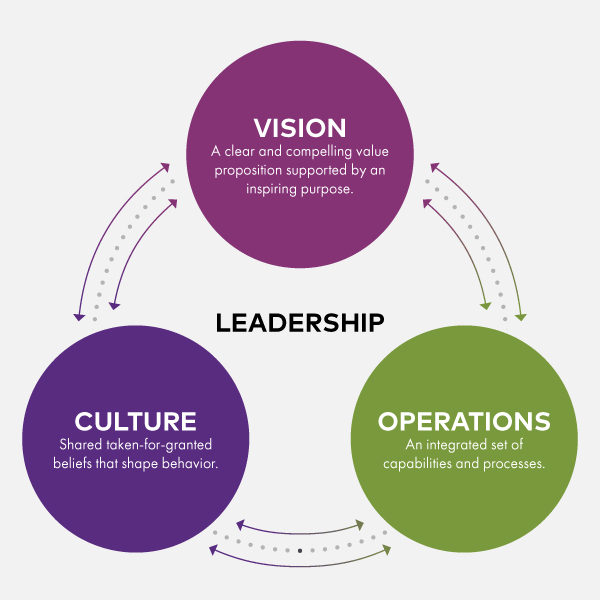
Photo By Athena Health
In the dynamic realm of healthcare entrepreneurship, visionary leadership serves as a catalyst for driving innovation, achieving operational excellence, and delivering impactful patient care. By developing and communicating a compelling vision, healthcare entrepreneurs can inspire their teams, attract investments, and navigate the complexities of the healthcare landscape. Through the adept adaptation of leadership styles to diverse situations, visionary leaders can effectively steer their organizations towards sustainable growth and transformative impact.
As the healthcare sector continues to evolve, visionary leadership will remain pivotal in shaping the future of healthcare delivery, technological innovation, and patient outcomes. By embracing the principles of visionary leadership and leveraging detailed research data and insights, healthcare entrepreneurs can position their organizations at the forefront of change, driving positive impact and sustainable growth.
In summary, visionary leadership in healthcare entrepreneurship is a multifaceted endeavor that encompasses the development of a clear and compelling vision, the adaptation of leadership styles to diverse situations, and the adept navigation of industry challenges. By inspiring teams, attracting investments, and fostering organizational success, visionary leaders play a pivotal role in shaping the future of healthcare delivery and innovation.
As healthcare entrepreneurs embrace visionary leadership, supported by detailed research data and information, they will not only propel their organizations to new heights of success but also contribute to the advancement of healthcare as a whole. With a steadfast commitment to visionary leadership, the healthcare industry can anticipate transformative breakthroughs, enhanced patient care, and sustainable progress that will benefit individuals and communities worldwide.
Developing a visionary leadership style in healthcare entrepreneurship requires a deep understanding of industry dynamics, a keen focus on inspiring teams and attracting investments, and the ability to adapt leadership styles to diverse situations. By harnessing the power of visionary leadership, healthcare entrepreneurs can drive organizational success, foster innovation, and ultimately shape the future of healthcare delivery and patient outcomes.
As we continue to navigate the complexities of healthcare entrepreneurship, the impact of visionary leadership will undoubtedly be instrumental in propelling the industry forward, driving positive change, and improving the lives of countless individuals. Through the fusion of visionary leadership and detailed research-backed strategies, healthcare entrepreneurs can pave the way for a future where innovation, sustainability, and excellence converge to redefine the very fabric of healthcare.

 Dr. Hamza Asumah
Leave a comment