
Hamza Asumah, MD, MBA
The healthcare landscape has undergone a seismic shift in the past decade, with virtual care services – or telemedicine – becoming an increasingly significant component of healthcare delivery. The COVID-19 pandemic acted as a catalyst for this change, accelerating the adoption of telemedicine out of necessity. However, now that patients and providers have experienced the benefits of virtual care, there’s no turning back. As we look to the future, healthcare entrepreneurs are keen to scale their virtual care services. Yet, the path to scaling is strewn with operational challenges. This blog will explore the rise of telemedicine, strategies for scaling these services, and the operational hurdles that must be overcome.

Photo By the Century Foundation
The Rise of Telemedicine
Telemedicine has revolutionized the way healthcare is delivered. According to a study by McKinsey & Company, consumer adoption of telehealth shot up from 11% in 2019 to 46% by the end of 2020 in the United States alone. Providers rapidly scaled offerings, with 76% of U.S. hospitals connecting with patients and consulting practitioners at a distance through video and other technology, up from 35% in 2010, according to the American Hospital Association.
The allure of telemedicine is multifaceted. For patients, it offers convenience, accessibility, and often lower costs. For providers, it expands reach and the potential to serve more patients effectively. Moreover, it offers a solution to some of the systemic issues in healthcare, such as provider shortages and uneven distribution of healthcare services.
Strategies for Scaling Virtual Care Services
Healthcare entrepreneurs looking to scale virtual care services can employ several strategies:
1. Establish a Robust Technological Infrastructure
The backbone of any virtual care service is its technological infrastructure. This includes secure video conferencing tools, patient management systems, electronic health records (EHR), and data analysis capabilities. To scale, a service must be built on a platform that can handle increased patient volumes without compromising performance or security. Investing in cloud-based solutions can provide the necessary scalability and flexibility.
2. Ensure Compliance with Healthcare Regulations
Virtual care services must comply with healthcare regulations such as HIPAA in the U.S., GDPR in Europe, and other local laws. This compliance is not only legal but also assures patients of their privacy and security. As services scale, keeping up with changing regulations and ensuring that all aspects of the service are compliant is essential.
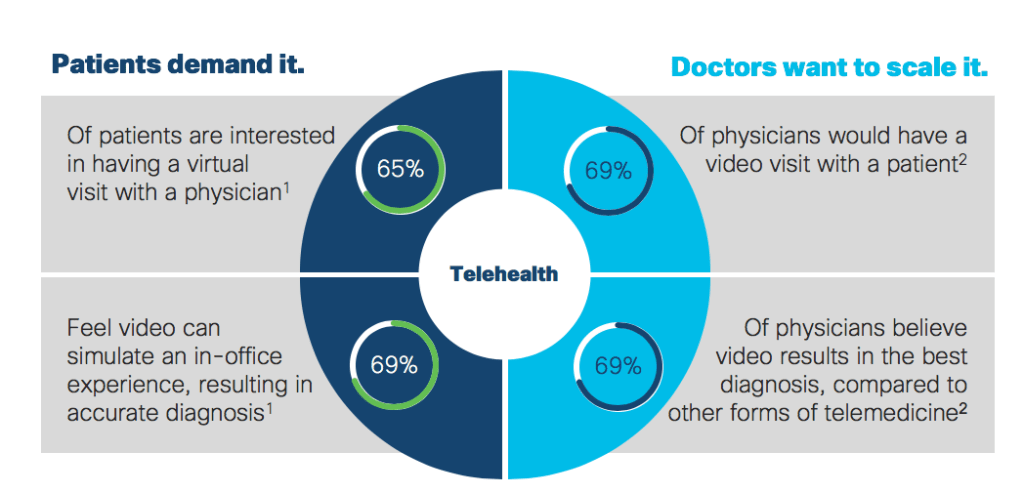
Photo By Cisco Blogs
3. Develop a Patient-Centered Approach
For virtual care to be successful, it must be patient centered. This means easy access to services, user-friendly platforms, and support systems for patients who may not be tech-savvy. A virtual care provider must also ensure that the patient experience is comparable to in-person visits, if not superior.
4. Integrate with Existing Healthcare Systems
To scale effectively, virtual care services must integrate seamlessly with existing healthcare systems. This includes EHRs, lab services, and insurance providers. Integration ensures continuity of care and eases the burden on both patients and healthcare providers.
5. Focus on Quality Care and Outcomes
As with any healthcare service, the quality of care is paramount. Virtual care providers must establish protocols to ensure that the standard of care is maintained as services scale. This includes credentialing providers, ongoing training, and monitoring patient outcomes to continuously improve services.
6. Expand Scope of Services
Starting with a narrow service offering can help manage initial complexities , but as the virtual care service matures, expanding the scope can attract a broader patient base and diversify revenue streams. This could involve offering a wider range of specialties, chronic disease management programs, mental health services, or even integrating wellness and preventive care.

Photo By American Hospital Association
7. Optimize Operational Efficiency
Scaling requires operational efficiencies to manage larger volumes of patients and complex service offerings. This involves automating administrative tasks, optimizing scheduling for providers, and streamlining the patient onboarding process. Leveraging AI and machine learning can also play a role in predictive analytics and personalizing patient care.
8. Build Strategic Partnerships
Partnerships with other healthcare providers, technology companies, and community organizations can facilitate scaling by expanding reach and resources. These partnerships can help fill gaps in care, improve referral networks, and add value to the patient experience.
9. Invest in Marketing and Brand Building
To attract new patients and retain existing ones, virtual care providers must invest in marketing and brand building. This involves understanding patient demographics and preferences, engaging in targeted advertising, and maintaining a strong online presence. Educating patients about the benefits and effectiveness of virtual care is also crucial.
10. Plan for Sustainable Growth
Scaling too quickly can strain resources and negatively impact quality of care. It’s important to plan for sustainable growth by setting realistic goals, monitoring metrics, and being prepared to adapt strategies as needed.
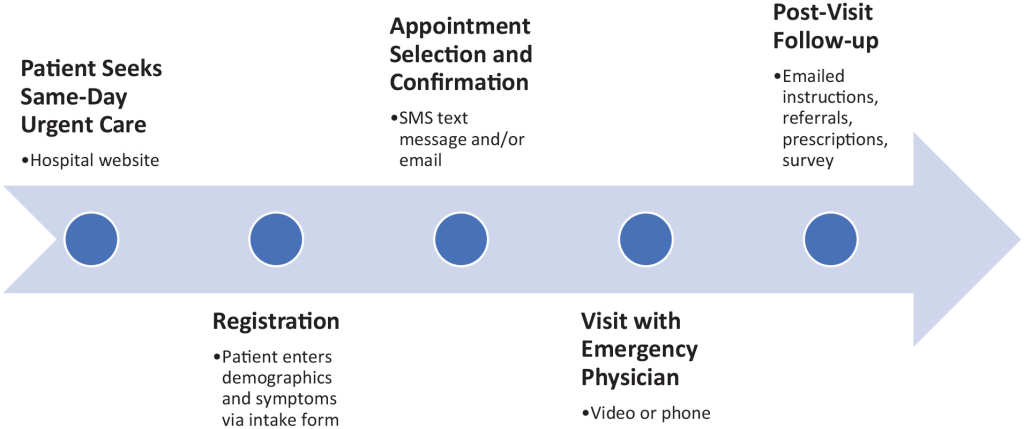
Photo By Sage Journals
Operational Challenges in Scaling Virtual Care Services
With strategies in place, healthcare entrepreneurs must also navigate several operational challenges:
1. Managing Reimbursement Variability
Navigating the reimbursement landscape remains a challenge. Policies regarding telemedicine reimbursement vary widely between payers and states, making it difficult to establish a consistent revenue model.
2. Addressing the Digital Divide
Though telemedicine increases accessibility for many, there remains a digital divide. Not all patients have access to the necessary technology or internet connectivity, particularly in rural or underserved areas. Overcoming this challenge requires creative solutions, such as partnering with community centers or libraries to provide access points.
3. Ensuring Interoperability
Interoperability between different health IT systems is crucial for coordinating care and maintaining comprehensive patient records. Achieving this can be difficult due to the variety of systems used across the healthcare spectrum.
4. Maintaining Data Security
As the scale of operations increases, so does the potential for data breaches. Ensuring robust cybersecurity measures that evolve with emerging threats is a constant operational challenge.
5. Addressing Licensing and Regulatory Issues
Providers must navigate a complex web of licensing and regulatory requirements that can vary by region. Telemedicine often crosses state lines, which can complicate the credentialing process and limit the ability to scale.
6. Overcoming Resistance to Change
Both patients and providers may have reservations about virtual care. Providers might be concerned about the quality of care or the impersonal nature of remote interactions, while patients may prefer face-to-face consultations. Education and evidence-based outcomes can help overcome this resistance.
#

Photo By Harmony Healthcare
The rise of telemedicine represents a pivotal moment in healthcare delivery. For healthcare entrepreneurs, scaling virtual care services offers immense potential but also presents significant operational challenges. By addressing these challenges with thoughtful strategies—and leveraging technology, regulatory compliance, and a patient-centric approach—virtual care services can not only scale but also transform healthcare for the better. As the industry continues to evolve, the most successful virtual care providers will be those that can adapt swiftly,
Please leave your comments below.

 Dr. Hamza Asumah
Leave a comment