
Hamza Asumah MD, MBA
The biopharmaceutical industry is at the forefront of innovation, constantly pushing the boundaries of scientific research to develop new and improved therapies for a wide range of diseases and conditions. Behind every successful drug that reaches the market is a complex and often challenging entrepreneurial journey, involving extensive research, development, and commercialization efforts. In this blog post, we will explore the intricate process of drug development and commercialization, shedding light on the entrepreneurial endeavors that drive advancements in biopharmaceutical research, clinical trials, and the introduction of novel therapies to the market.
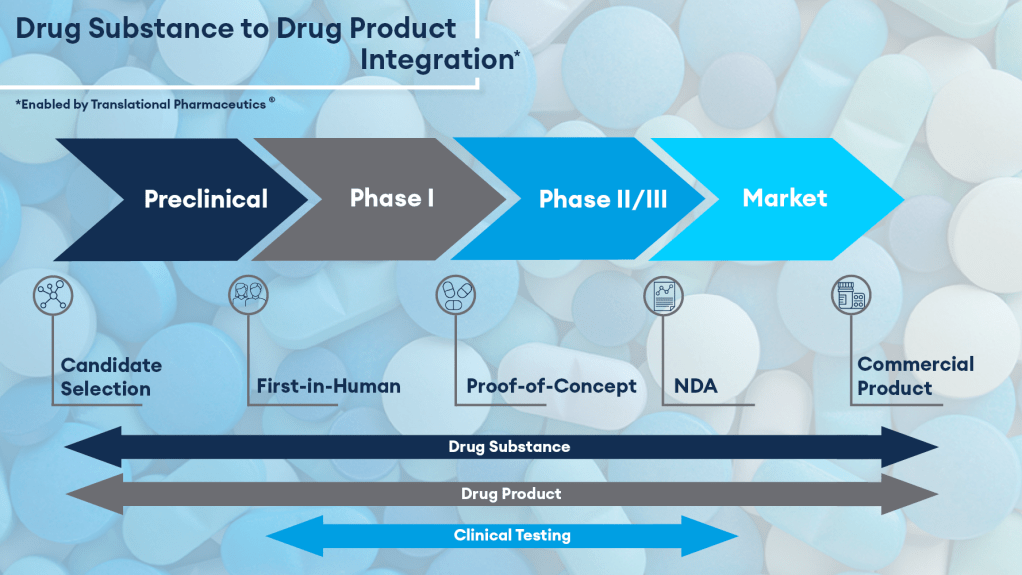
Photo By Quotient Sciences
The Landscape of Biopharmaceutical Entrepreneurship
Biopharmaceutical entrepreneurship is a multifaceted endeavor that encompasses a diverse range of activities, from early-stage research to the commercialization of new drugs. Entrepreneurs in this space must navigate through a complex web of scientific, regulatory, and economic challenges, all while striving to bring innovative therapies to patients in need.
1. Early-Stage Research and Discovery
The journey from the laboratory to the market begins with early-stage research and discovery. Entrepreneurs in biopharmaceuticals often start by identifying unmet medical needs and exploring novel approaches to addressing these needs. This may involve fundamental research into disease mechanisms, target identification, and the development of potential drug candidates.
2. Preclinical Development
Once a promising drug candidate is identified, entrepreneurs must embark on preclinical development, which involves extensive laboratory and animal studies to assess the safety and efficacy of the potential therapy. This stage is critical for laying the groundwork for future clinical trials and obtaining regulatory approval to proceed to human testing.
3. Clinical Trials and Regulatory Hurdles
The transition from preclinical development to clinical trials is a pivotal phase in the entrepreneurial journey of biopharmaceuticals. Entrepreneurs must design and execute rigorous clinical trials to demonstrate the safety and efficacy of their drug candidates. Navigating the regulatory landscape, including interactions with agencies such as the FDA, EMA, and others, is a complex and resource-intensive process that requires careful attention to detail and compliance with stringent guidelines.
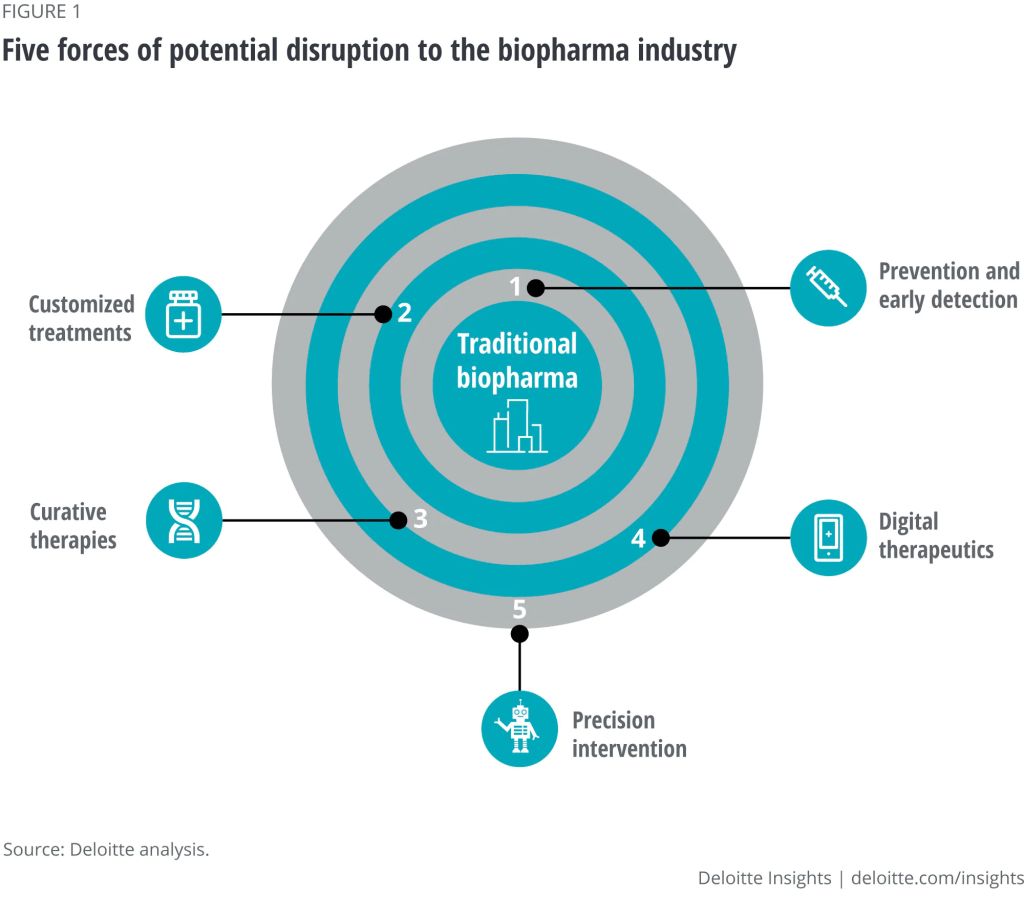
Photo By Deloitte
4. Scaling Up and Manufacturing
As a drug candidate progresses through clinical trials, entrepreneurs must also consider the scalability and commercial viability of manufacturing processes. Establishing robust manufacturing capabilities that meet regulatory standards is crucial for ensuring a reliable and sustainable supply of the drug once it reaches the market.
5. Market Access and Commercialization
Finally, successful entrepreneurs must address the challenges of market access and commercialization. This involves navigating pricing and reimbursement negotiations, establishing distribution channels, and developing robust marketing strategies to ensure the successful launch and adoption of the new therapy.
Challenges and Opportunities
The entrepreneurial journey in biopharmaceuticals is fraught with challenges, including scientific uncertainty, regulatory hurdles, and significant financial risks. However, it also presents ample opportunities for innovation, partnership building, and ultimately, the potential to make a meaningful impact on patient care and public health.
1. Scientific and Clinical Uncertainty
One of the most significant challenges entrepreneurs face in drug development is the inherent scientific and clinical uncertainty associated with bringing a new therapy to market. Many drug candidates fail to demonstrate efficacy or safety in clinical trials, leading to costly setbacks for entrepreneurs and their investors.
2. Regulatory Complexity
Navigating the regulatory landscape is another formidable challenge for biopharmaceutical entrepreneurs. Achieving regulatory approval for a new drug requires meticulous attention to detail and a deep understanding of the regulatory processes and requirements in different regions. Entrepreneurs must also be prepared to adapt to evolving regulatory standards and expectations, which can add complexity and uncertainty to the drug development process.
3. Financial Risks and Resource Constraints
The financial risks associated with drug development are substantial. Entrepreneurs often face the daunting task of securing significant investment to fund research, clinical trials, and manufacturing efforts. The high cost of drug development, coupled with the uncertainty of success, can pose significant challenges in securing the necessary resources to advance a drug candidate through the development pipeline.
4. Access to Talent and Expertise
Building a successful biopharmaceutical venture requires access to a diverse range of talent and expertise, including scientists, clinicians, regulatory affairs professionals, and business leaders. Entrepreneurs must navigate the competitive landscape to attract and retain top-tier talent, often in the face of stiff competition from larger, more established industry players.

Photo By AlphaSense
Despite these challenges, the entrepreneurial journey in biopharmaceuticals presents significant opportunities for those who are able to navigate the complexities of drug development and commercialization.
1. Innovation and Impact:
Entrepreneurs in biopharmaceuticals have the opportunity to drive meaningful innovation in healthcare by developing novel therapies that address unmet medical needs. The potential to positively impact patient outcomes and public health can be a powerful motivator for those involved in the entrepreneurial pursuit of drug development.
2. Strategic Partnerships and Collaborations:
Success in biopharmaceutical entrepreneurship often hinges on the ability to form strategic partnerships and collaborations with academic institutions, contract research organizations, and other industry stakeholders. These partnerships can provide access to critical resources, expertise, and networks that are essential for advancing drug candidates through the development process.
3. Access to Capital and Investment:
While securing funding for drug development is a significant challenge, successful entrepreneurs have the opportunity to attract investment from venture capital firms, pharmaceutical companies, and other sources of capital. Strategic investment can provide the financial resources necessary to advance drug candidates through clinical development and ultimately bring them to market.
4. Addressing Unmet Medical Needs:
Entrepreneurs in biopharmaceuticals have the potential to make a tangible difference in the lives of patients by addressing unmet medical needs with innovative therapies. By targeting diseases and conditions for which there are limited treatment options, entrepreneurs can make a significant impact on public health and patient well-being.
Case Studies and Success Stories
To illustrate the entrepreneurial journey in biopharmaceuticals, it is valuable to highlight real-world examples of successful ventures that have navigated the complexities of drug development and commercialization.
1. Moderna Therapeutics:
Moderna Therapeutics, now known as Moderna, is a prominent example of a biopharmaceutical entrepreneurial success story. The company leveraged its mRNA technology platform to rapidly develop and commercialize a COVID-19 vaccine during the global pandemic. Moderna’s ability to navigate the regulatory landscape, secure strategic partnerships, and rapidly scale manufacturing capabilities exemplifies the entrepreneurial drive and innovation that can lead to groundbreaking advancements in biopharmaceuticals.
2. Vertex Pharmaceuticals:
Vertex Pharmaceuticals is another notable example of a biopharmaceutical company that has successfully brought innovative therapies to market. The company’s focus on developing treatments for cystic fibrosis has resulted in the approval of multiple groundbreaking therapies that have significantly improved outcomes for patients with this challenging disease. Vertex’s ability to navigate complex scientific and clinical challenges while building a successful commercial portfolio demonstrates the potential for entrepreneurial endeavors to make a meaningful impact on patient care and disease management.
3. BioNTech:
BioNTech, in collaboration with Pfizer, achieved remarkable success with the development and commercialization of a mRNA-based COVID-19 vaccine, which has played a pivotal role in the global effort to combat the pandemic. The company’s ability to rapidly advance its innovative platform technology through clinical trials and secure regulatory approval underscores the potential for entrepreneurial ventures to drive transformative change in biopharmaceutical research and development.
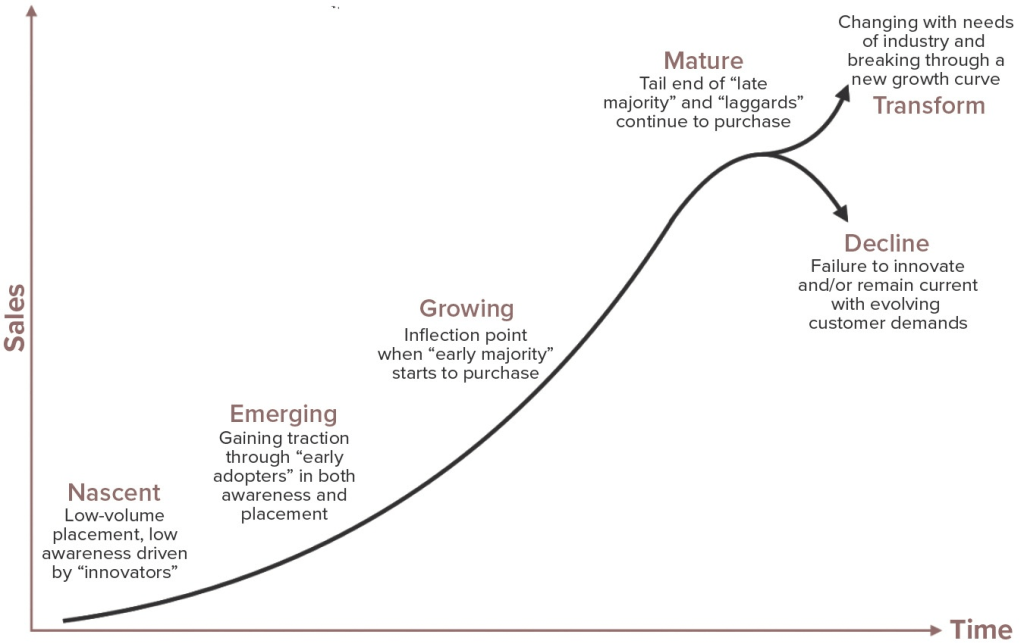
Photo By Bioprocess International
The entrepreneurial journey in biopharmaceuticals is a complex and multifaceted endeavor that requires a deep understanding of scientific, clinical, regulatory, and commercial challenges. Entrepreneurs in this space must navigate a diverse array of hurdles, including scientific uncertainty, regulatory complexity, financial risks, and resource constraints. However, for those who successfully navigate these challenges, the potential for innovation, impact, and success is substantial.
By addressing unmet medical needs, forming strategic partnerships, securing investment, and driving groundbreaking advancements in drug development, biopharmaceutical entrepreneurs have the opportunity to make a meaningful difference in patient care and public health. The success stories of companies like Moderna, Vertex Pharmaceuticals, and BioNTech serve as powerful examples of the potential for entrepreneurial endeavors to drive transformative change in the biopharmaceutical industry.
As the field of biopharmaceuticals continues to evolve, the entrepreneurial spirit and drive for innovation will remain essential components of advancing new therapies from the laboratory to the market. Through perseverance, collaboration, and a relentless pursuit of scientific and clinical excellence, entrepreneurs in biopharmaceuticals have the potential to shape the future of healthcare and improve the lives of patients around the world.
Please leave your comments below.

 Dr. Hamza Asumah
Leave a comment