Hamza Asumah, MD, MBA
The healthcare industry is in the throes of a technological revolution. Innovative startups are challenging traditional models of care, ushering in an era of digital health systems that could redefine patient care and clinical practices. The medical device industry, in particular, is witnessing unprecedented advancements driven by these startups that are leveraging cutting-edge technologies to create wearable health monitors, robotic surgery systems, advanced diagnostic tools, and more.
The global medical device market was valued at $425.5 billion in 2018 and is expected to reach $612.7 billion by 2025, exhibiting a CAGR of 5.4% during the forecast period, according to a report by Fortune Business Insights. The growth is predominantly driven by technological advancements, increased investment in R&D, and the rising prevalence of chronic diseases.

Photo By Healthcare Transformers
Let’s take a deep dive into some of the trailblazing startups that are disrupting the medical device industry:
1. Medtronic
One of the giants in the medical device industry, Medtronic, has been constantly innovating and disrupting healthcare norms. Their Guardian Connect system, a smart standalone CGM system, uses AI algorithms to predict glucose levels up to 60 minutes in advance. They have also developed the world’s smallest pacemaker, the Micra Transcatheter Pacing System, which is about the size of a large vitamin capsule and is delivered through a catheter inserted in the femoral vein.
2. Intuitive Surgical
Intuitive Surgical is a pioneer in the field of robotic-assisted, minimally invasive surgery. Their flagship product, the da Vinci Surgical System, allows surgeons to perform complex procedures with more precision, flexibility, and control than conventional techniques. As of 2021, over 7.2 million procedures have been performed using the da Vinci system worldwide, demonstrating the growing acceptance of this innovative technology.
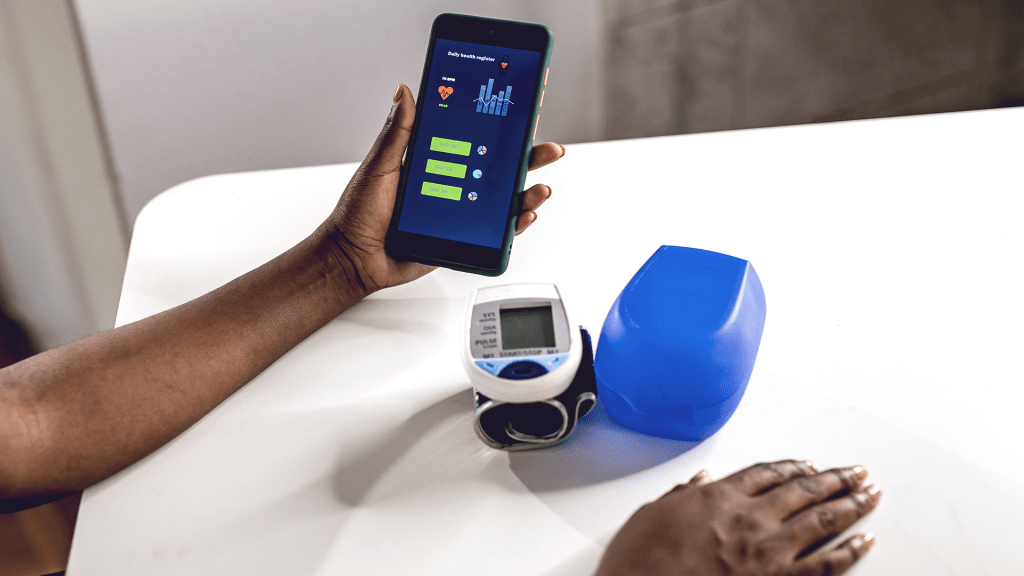
Photo By ZS
3. AliveCor
AliveCor has been making waves with its KardiaMobile device, the most clinically validated personal EKG solution. This device, when paired with a smartphone, can detect atrial fibrillation, bradycardia, tachycardia, and normal heart rhythm in just 30 seconds. This innovative solution has democratized heart health monitoring, allowing people to track their heart health from the comfort of their homes and share data with their doctors for timely intervention.
4. Butterfly Network
Butterfly Network is revolutionizing the world of medical imaging with their pocket-sized ultrasound device – Butterfly iQ. This handheld device, when connected to a smartphone, can capture images of the entire body, removing the need for multiple probes. It’s a game-changer in bringing cost-effective and accessible diagnostic solutions to the masses, particularly beneficial for remote and underserved communities.
5. Neuralink
Elon Musk’s Neuralink is pushing the boundaries of what medical devices can achieve. The startup is developing ultra-high bandwidth brain-machine interfaces to connect humans and computers. Though still in the research phase, the potential applications range from treating brain disorders and restoring sensory and motor function to merging AI with human consciousness.
The impact of these technological advancements on patient care and clinical practices is profound. Wearable health monitors empower patients to take control of their health, leading to early detection and intervention. Robotic surgery systems offer less invasive procedures, leading to reduced recovery times and improved patient outcomes. Advanced diagnostic tools make healthcare more accessible and affordable, particularly for remote and underserved communities.

Photo By Sage Journals
This disruptive wave of innovation in the medical device industry also calls for a change in regulatory frameworks. Regulators must adapt to the pace of innovation to ensure patient safety without stifling innovation. They must work closely with these startups to understand the technology and its implications, shaping guidelines that foster growth and innovation while protecting patients.
The future of healthcare lies in technology. As we stand on the precipice of this technological revolution, it is clear that the path forward is paved with innovation. Whether it’s wearable health monitors, robotic surgery systems, or advanced diagnostic tools, these innovations are transforming the medical device industry, disrupting traditional healthcare norms, and shaping the future of patient care and clinical practices. The journey is just beginning, and we have a long way to go, but the possibilities are endless and the future looks promising.
Please leave your comments below.

 Dr. Hamza Asumah
Leave a comment