
Hamza Asumah, MD, MBA
Preventive care is an essential part of modern healthcare, focusing on maintaining good health, preventing disease, and catching health issues early before they become severe. The World Health Organization (WHO) estimates that if implemented effectively, preventive care could save an estimated 16 million lives annually across all age groups worldwide. This presents an incredible opportunity for African healthcare, where the burden of disease is high, and resources can be scarce.

Photo By Brookings Institute
The Current State of African Healthcare
Africa accounts for 24% of the global burden of disease, yet it has only 1% of the world’s health expenditure and 3% of the world’s health workers, according to the WHO. This disparity highlights the need for innovative and sustainable approaches to healthcare, including a stronger emphasis on preventive care.
The Power of Preventive Care:
Preventive care refers to a range of interventions and strategies aimed at preventing the onset or progression of diseases. It includes vaccinations, regular health screenings, lifestyle modifications, and health education programs. By proactively addressing health concerns and promoting wellness, preventive care offers several compelling benefits:
1. Reducing Healthcare Burden: Preventive care can significantly reduce the burden on healthcare systems by preventing the development of chronic diseases. By identifying and addressing health risks early on, individuals can avoid costly medical interventions and hospitalizations.
2. Improving Health Outcomes: Early detection and treatment of diseases through preventive care can lead to better health outcomes. Timely screenings and interventions can identify conditions at their earliest stages when they are more manageable and less likely to cause severe complications.
3. Empowering Individuals: Investing in preventive care empowers individuals to take charge of their health. By providing education and resources, healthcare systems can promote healthy behaviors, encourage regular check-ups, and foster a culture of wellness and self-care.
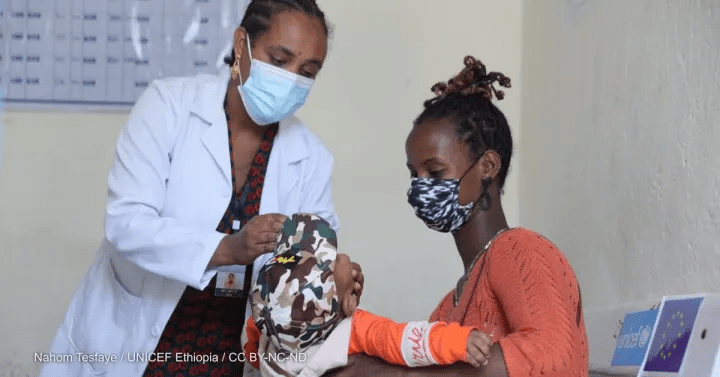
Photo By Devex
Research supports the significant impact of preventive care on healthcare outcomes. For example:
1. A study conducted in South Africa found that increasing investment in preventive care, including vaccination programs and health screenings, could lead to substantial reductions in disease burden and healthcare costs.
2. According to the World Health Organization (WHO), investing in preventive care can save healthcare costs in the long run. For every dollar spent on immunizations, the return on investment can range from $16 to $44.
Practical Ways to Apply Preventive Care Principles in African Healthcare:
To promote wellness and long-term sustainability in African healthcare, here are practical ways to implement preventive care principles:
1. Strengthen Primary Healthcare: Enhancing primary healthcare services is crucial for providing accessible and affordable preventive care. This includes establishing well-equipped health centers, training healthcare professionals in preventive care strategies, and improving the availability of essential medications and vaccines.
2. Public Health Campaigns: Launching targeted public health campaigns to raise awareness about the importance of preventive care can create a culture of proactive health management. These campaigns can focus on topics such as vaccination drives, regular health check-ups, and the adoption of healthy lifestyle habits.
3. Health Education and Community Engagement: Investing in health education programs can empower individuals to make informed decisions about their health. By engaging with communities through workshops, seminars, and outreach programs, healthcare providers can promote preventive care practices effectively.
4. Leveraging Technology: Embracing health technology solutions, such as telemedicine and mobile health applications, can facilitate access to preventive care services in remote areas. Such technologies enable remote consultations, health monitoring, and health education delivery.
The Economic Case for Preventive Care
Investing in preventive care makes economic sense. A study by the Trust for America’s Health (https://www.tfah.org/report-details/prevention-funding-at-a-crossroads-investing-in-programs-that-work-2019/) found that an investment of $10 per person per year in proven community-based programs tackling physical inactivity, poor nutrition, and smoking could save the U.S. more than $16 billion annually within five years. This is a return on investment of $5.60 for every $1.
While this example is from a developed country, the principle holds true worldwide, including Africa. Preventive measures can help avoid high treatment costs and productivity losses incurred from preventable diseases.
Practical Applications in African Healthcare
Health Education
One of the most effective forms of preventive care is health education. Ensuring that populations understand the importance of healthy behaviors, the dangers of communicable diseases, and the benefits of regular health check-ups is crucial. Governments, NGOs, and healthcare providers can run campaigns to educate the public on issues such as the importance of vaccinations, good nutrition, physical activity, and early disease detection.
Public Health Policies
Governments play a critical role in preventive care. By implementing public health policies that promote good health, they can create environments that encourage healthy behaviors. For instance, policies can regulate advertising for unhealthy foods, enforce vaccination programs, and subsidize health check-ups for at-risk populations.
Leveraging Technology
Technology can play a pivotal role in preventive care. Digital health tools, such as mobile apps that promote physical activity and healthy eating, or telemedicine platforms that enable virtual check-ups, can help reach more people and encourage them to take a proactive role in their health.
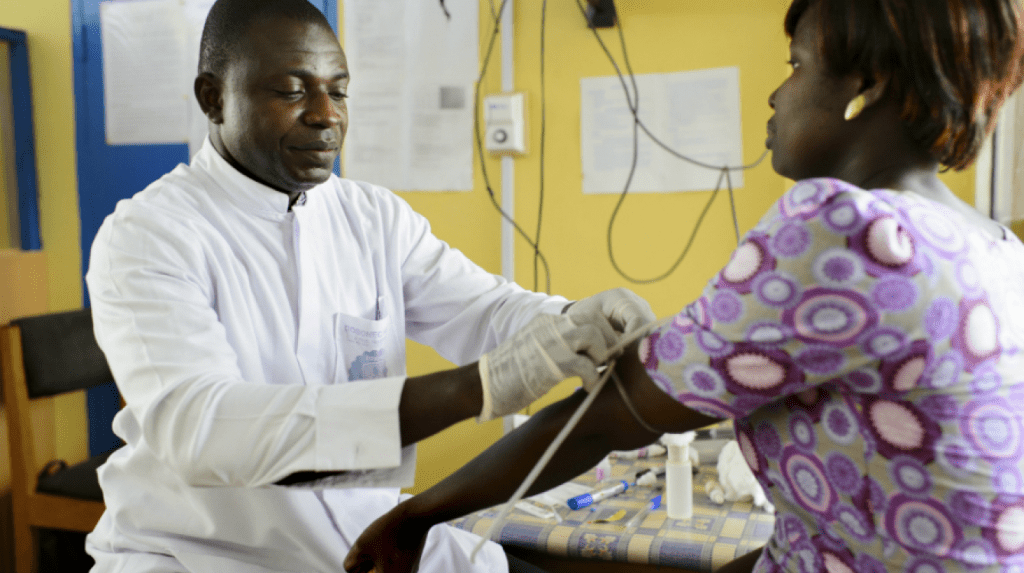
Photo By The United Nations
Building Preventive Care Infrastructure
Investing in infrastructure is key. This includes everything from community health clinics that offer regular check-ups, to laboratories for early disease detection, to parks and sports facilities that encourage physical activity.
The Way Forward
Investing in preventive care in Africa can lead to significant health and economic benefits. By shifting the focus from treating disease to promoting and maintaining health, African countries can improve the wellbeing of their populations, reduce healthcare costs, and build more sustainable healthcare systems.
The journey to a preventive care-focused healthcare system in Africa will require collaboration among various stakeholders, including governments, healthcare providers, NGOs, and the public. But with the right investments and policies, it’s a journey that can lead to a healthier, more prosperous Africa.
Photo By Tech Cabal
Investing in preventive care is a transformative approach to promoting wellness and long-term sustainability in African healthcare. By prioritizing proactive measures, African countries can reduce the burden on healthcare systems,
Please leave your insights in the comment section below

 Dr. Hamza Asumah
Leave a comment