Hamza Asumah, MD, MBA
Africa is experiencing an era of dynamic transformation in its healthcare landscape. The continent is leveraging advancements in technology, enhancing accessibility to healthcare services, and fostering a culture of innovation. These changes are laying the foundation for several predicted trends and technologies that have the potential to revolutionize healthcare in Africa.
Photo By Koenig Solutions
In this article, we delve deeper into these trends, supported by research data and compelling examples, to underscore their significance in improving healthcare outcomes for millions of individuals across the continent.
1. Telemedicine and Mobile Health (mHealth):
Telemedicine and mobile health solutions are spearheading the democratization of healthcare in Africa. These technologies bridge the geographical divide between patients and healthcare providers, particularly in remote and underserved areas. With the widespread penetration of mobile phones, Africans now have access to services such as remote consultations, health monitoring, and health education. For instance, in Kenya, the mobile-based platform M-Tiba enables individuals to save, send, and receive funds specifically for healthcare purposes, helping to overcome financial barriers to care. Similarly, LifeBank, a Nigerian startup, utilizes mobile technology to connect blood banks with hospitals, ensuring timely and efficient delivery of blood products to patients in need.
2. Artificial Intelligence (AI) and Machine Learning:
AI and machine learning technologies hold immense potential for transforming healthcare in Africa. These cutting-edge tools can aid in disease diagnosis, drug discovery, and patient monitoring, among other applications. For example, IBM’s Watson for Oncology is being utilized in South Africa to assist healthcare professionals in diagnosing and treating cancer patients. By analyzing vast amounts of medical data, Watson can provide evidence-based treatment recommendations, empowering healthcare providers with valuable insights. Additionally, AI-powered chatbots are providing virtual healthcare support, offering personalized medical advice and symptom assessment. Ada Health, a Berlin-based company, has developed an AI-driven symptom checker that is accessible to African users through a mobile app, facilitating early detection and appropriate care seeking.
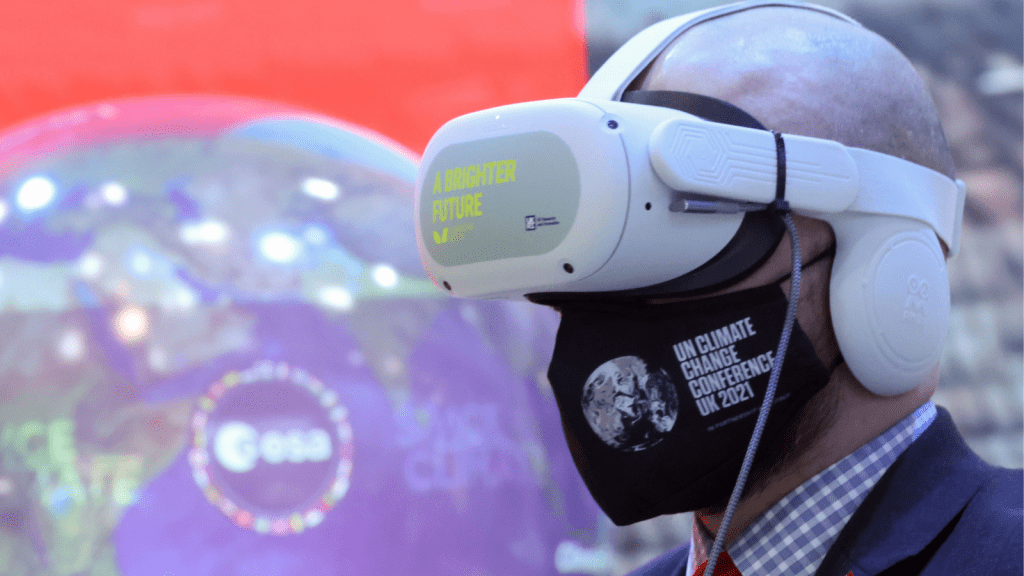
Photo By Reuters Security
3. Blockchain for Health Data Management:
Blockchain technology, with its inherent characteristics of security, transparency, and decentralization, offers immense potential for health data management in Africa. It can address challenges such as data privacy, interoperability, and medical record accuracy. The PharmAccess Foundation, in collaboration with the Dutch Ministry of Foreign Affairs, is utilizing blockchain-based electronic health records to ensure patients’ health information is securely stored and accessible across healthcare providers in Kenya. By leveraging blockchain, individuals have greater control over their health records, and healthcare providers can access comprehensive medical histories, leading to more informed and personalized care.
4. Point-of-Care Diagnostics:
Point-of-care diagnostic tools are revolutionizing healthcare access and outcomes, especially in resource-constrained settings. These portable devices enable rapid diagnosis and monitoring of diseases, reducing the dependence on centralized laboratory infrastructure. Notable examples include the Cepheid GeneXpert, which enables rapid tuberculosis detection, and the mChip, a microfluidics-based device for diagnosing HIV and other infectious diseases. These technologies empower healthcare workers to perform accurate and timely diagnostics at the point of care, leading to early detection, improved treatment outcomes, and reduced transmission of infectious diseases.
5. Health Information Systems:
Efficient health information systems are vital for effective healthcare delivery. They facilitate data collection, analysis, and dissemination, enabling evidence-based decision-making. In Rwanda, the implementation of a nationwide electronic health record system has transformed data management and streamlined healthcare services. The system enables healthcare providers to access patient information seamlessly, track public health trends, and improve coordination of care. By integrating health information systems, countries in Africa can strengthen healthcare planning, resource allocation, and disease surveillance. This, in turn, facilitates proactive interventions and targeted healthcare strategies to address the specific needs of communities.

Photo By LinkedIn
6. Wearable Technology and Remote Monitoring:
Wearable devices and remote monitoring solutions are gaining traction in Africa, offering new opportunities for preventive and continuous healthcare. These devices can track vital signs, monitor chronic conditions, and provide real-time health data for both patients and healthcare providers. For instance, LifePod Solutions, a South African company, has developed a wearable device that monitors the vital signs of infants in real-time, improving early detection of health issues and reducing infant mortality rates. Similarly, remote monitoring platforms like ConnectMed in Kenya enable patients to monitor their health conditions from home, reducing the need for frequent hospital visits and enhancing overall convenience.
7. Precision Medicine:
The emergence of precision medicine is set to transform healthcare in Africa by tailoring treatments to individual patients based on their specific genetic makeup, lifestyle, and environmental factors. Advances in genomics and personalized diagnostics are enabling healthcare providers to deliver targeted therapies and interventions. The African Society of Human Genetics (AfSHG) is actively promoting research and collaboration in genomics across the continent, facilitating the integration of precision medicine into clinical practice. By embracing precision medicine, Africa can significantly enhance treatment outcomes and optimize healthcare resources.
8. Health Tech Startups and Innovation Hubs:
The healthcare landscape in Africa is witnessing a surge in health tech startups and innovation hubs. These entrepreneurial ventures are leveraging technology and innovation to tackle healthcare challenges and create solutions that are tailored to the African context. For example, Lifebank, Kangpe, and Zipline are among the notable startups making significant strides in improving healthcare delivery through innovative approaches. Additionally, innovation hubs such as the iHub in Kenya and the Co-Creation Hub (CCHub) in Nigeria provide platforms for collaboration, mentorship, and funding to nurture healthcare innovation and entrepreneurship.

Photo By Medium
The future of healthcare in Africa is poised for remarkable transformation, driven by a convergence of technology, innovation, and a growing emphasis on improving access and outcomes. Telemedicine, AI and machine learning, blockchain, point-of-care diagnostics, health information systems, wearable technology, precision medicine, and the vibrant health tech startup ecosystem are just a few examples of the trends and technologies that hold immense promise for healthcare in Africa.
As governments, healthcare providers, and innovators continue to collaborate and invest in these transformative solutions, Africa’s healthcare landscape will witness exponential growth and positive change. By embracing these advancements, Africa can overcome existing healthcare challenges, reduce health disparities, and pave the way for a healthier future for its people.
With sustained efforts in research, investment, policy support, and collaboration, Africa has the potential to become a global leader in healthcare innovation, setting new standards for healthcare delivery that can inspire and benefit the world at large. The future of healthcare in Africa is bright, and its impact will be felt far beyond the continent’s borders.
Please leave your insights in the comment section below.

 Dr. Hamza Asumah
Leave a comment