Hamza Asumah, MD, MBA
Risk management in healthcare business involves identifying potential risks and developing strategies to mitigate or manage those risks. Healthcare businesses in Africa face numerous risks and challenges, such as inadequate infrastructure, limited access to skilled personnel, and a lack of funding. However, with the right risk management strategies, it is possible to mitigate these risks and ensure the success of healthcare businesses on the continent.

Photo By Academia21
The goal of risk management is to minimize the impact of risks on the business and its stakeholders, including patients, employees, and investors.
The triad of risk mitigation in business refers to three key components of effective risk management:
1. Loss Prevention: This involves implementing measures to prevent risks from occurring in the first place. Examples of loss prevention measures in healthcare business may include implementing safety protocols to prevent patient falls, ensuring that medical equipment is properly maintained, and providing ongoing training to staff to prevent errors or accidents.
2. Risk Transfer: This involves transferring the financial impact of risks to another party, such as an insurance company. For example, healthcare businesses may purchase liability insurance to transfer the financial risk of malpractice claims to an insurance provider.
3. Risk Financing: This involves setting aside resources to cover the costs of potential risks. For example, healthcare businesses may establish a reserve fund to cover unexpected expenses related to equipment repair or replacement.
By combining these three components, healthcare businesses can develop a comprehensive risk management strategy that addresses potential risks from multiple angles. This can help minimize the impact of risks on the business and its stakeholders and ensure that the business is well-positioned to respond to unexpected events.

Photo By Security Magazine
Let’s explore some of the most significant risks faced by healthcare businesses in Africa, and suggest strategies for managing liability, cyber-security, and data breaches. We will also discuss the impact of these risk mitigation strategies on the overall success of healthcare businesses.
1. Managing Liability
Liability is a significant concern for healthcare businesses, as it encompasses the legal and financial risks associated with medical malpractice, wrongful treatment, and other errors. To mitigate liability risks, healthcare businesses in Africa should consider the following strategies:
a. Implement comprehensive risk management programs: These programs should include regular risk assessments, ongoing employee training, and continuous improvement of safety protocols and procedures.
b. Obtain adequate insurance coverage: Healthcare businesses should ensure they have sufficient malpractice and general liability insurance coverage to protect against potential financial losses.
c. Develop clear and concise patient consent forms: Consent forms should outline the risks and benefits associated with treatments and procedures, and should be reviewed by legal counsel before being implemented.

Photo By I.S Partners
2. Cybersecurity and Data Breaches
As healthcare businesses increasingly rely on digital technology, they become more vulnerable to data breaches and cyber-attacks. To protect against these risks, healthcare businesses in Africa should:
a. Implement robust cybersecurity measures: These include firewalls, encryption, multi-factor authentication, and regular security audits.
b. Train employees in cybersecurity best practices: Healthcare professionals should be educated on how to spot phishing attempts, avoid downloading malicious software, and protect sensitive patient information.
c. Develop a data breach response plan: Healthcare businesses should have a plan in place to identify, report, and respond to data breaches. This will help to minimize potential damage and ensure a swift recovery in the event of an incident.
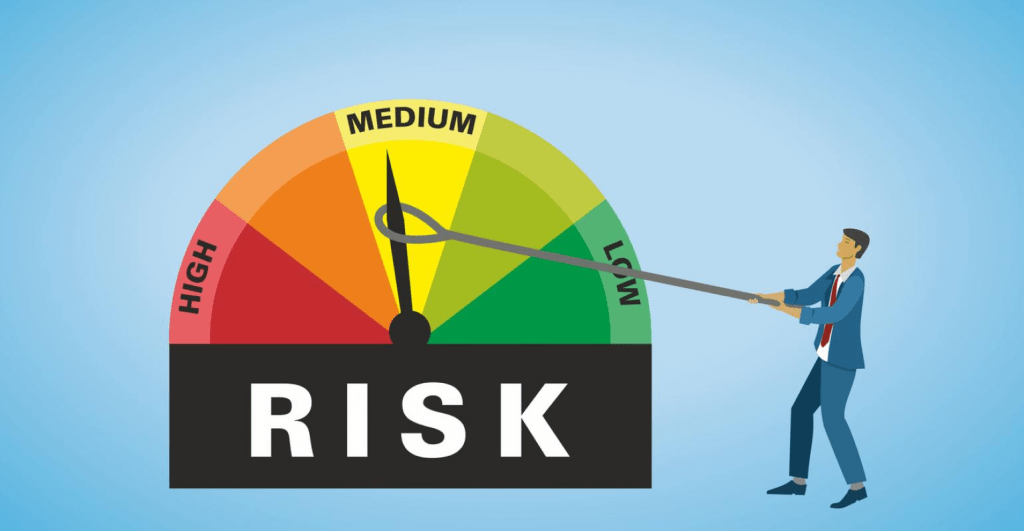
Photo By ITPro
3. Impact of Risk Mitigation Strategies on Healthcare Business Success
By implementing the risk mitigation strategies discussed above, healthcare businesses in Africa can reduce their exposure to liability, cybersecurity, and data breach risks. This, in turn, can have a profound impact on their overall success. Some of the benefits of these risk mitigation strategies include:
a. Improved patient safety: By implementing comprehensive risk management programs and adopting robust cybersecurity measures, healthcare businesses can minimize the likelihood of adverse events, leading to improved patient safety and outcomes.
b. Enhanced reputation: A healthcare business that effectively manages its risks will be seen as more trustworthy and reliable by patients, partners, and regulators. This can lead to increased patient referrals, more collaborative opportunities, and a stronger market position.
c. Financial stability: By reducing the likelihood of costly legal claims, settlements, and regulatory penalties, healthcare businesses can improve their financial stability and better allocate resources to support growth and innovation.
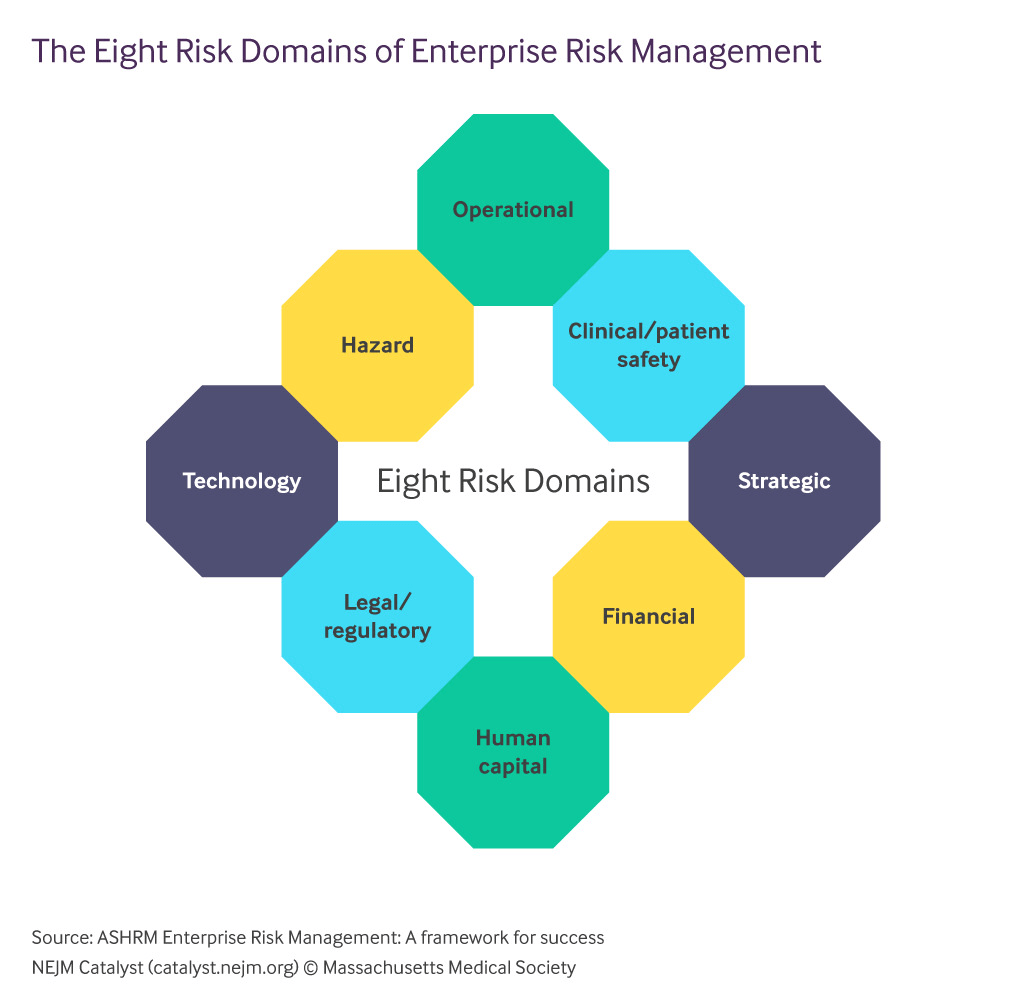
Photo By NEJM Catalyst
Managing risk is a critical aspect of ensuring the success of healthcare businesses in Africa. By taking a proactive approach to managing liability, cybersecurity, and data breaches, healthcare businesses can protect themselves against potential threats, improve patient safety, and enhance their overall reputation. Ultimately, these risk mitigation strategies will contribute to a stronger, more resilient, and more sustainable healthcare sector across the continent.
Please leave your insights in the comment section below.

 Dr. Hamza Asumah
Leave a comment