Hamza Asumah, MD, MBA
Healthcare is a fundamental aspect of human development, and its importance cannot be overstated. However, healthcare systems in Africa face numerous challenges, including inadequate funding, a shortage of healthcare professionals, and poor infrastructure. These challenges have contributed to poor healthcare outcomes, including high mortality rates and low life expectancy. Fortunately, data analytics can be used to address some of these challenges and improve healthcare outcomes in Africa.
Data analytics involves the use of statistical and computational techniques to analyze large datasets and extract insights that can inform decision-making. In healthcare, data analytics can be used in various ways, including identifying health trends, tracking patient outcomes, and optimizing resource allocation. By leveraging data analytics, healthcare providers can make better decisions, improve patient outcomes, and reduce costs.

Photo By Phraser
One way data analytics can be used in healthcare is by identifying health trends. In Africa, where many diseases are endemic, data analytics can be used to track the prevalence of these diseases and identify areas where they are most prevalent. This information can then be used to develop targeted interventions that can help prevent the spread of disease. For example, data analytics can be used to identify areas with high rates of malaria and target these areas with mosquito net distribution programs.
Data analytics can also be used to track patient outcomes. By analyzing patient data, healthcare providers can identify patients who are at high risk of developing complications and intervene early to prevent these complications from occurring. For example, data analytics can be used to identify patients with diabetes who are at high risk of developing diabetic retinopathy. These patients can then be referred for regular eye exams to detect and treat the condition early, preventing blindness.
Finally, data analytics can be used to optimize resource allocation. In Africa, where resources are often limited, data analytics can be used to identify areas where resources are most needed and allocate them accordingly. For example, data analytics can be used to identify areas with high rates of maternal mortality and target these areas with resources to improve maternal healthcare outcomes.
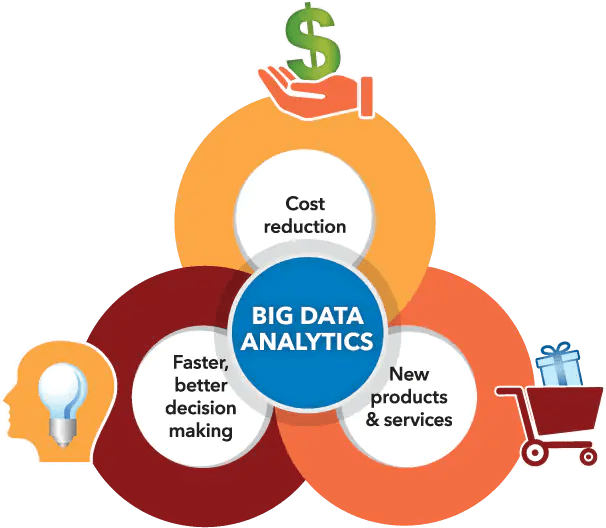
Photo By SAS Institute
The use of data analytics in building healthcare businesses in Africa is a relatively new trend, and there is limited research on its impact. However, some studies have shown promising results that suggest the potential for data analytics to improve healthcare business outcomes in Africa.
One study conducted by the African Development Bank Group examined the impact of data analytics on healthcare outcomes in Africa. The study found that data analytics can help healthcare businesses identify health trends, track patient outcomes, and optimize resource allocation. The study also noted that data analytics can help healthcare businesses reduce costs by identifying inefficiencies and areas for improvement.
Another study conducted by the World Health Organization (WHO) examined the use of data analytics in improving healthcare outcomes in low- and middle-income countries, including those in Africa. The study found that data analytics can help healthcare businesses improve patient outcomes by identifying patients at high risk of developing complications and intervening early to prevent these complications from occurring. The study also suggested that data analytics can help healthcare businesses improve resource allocation by identifying areas where resources are most needed and allocating them accordingly.
A third study conducted by McKinsey & Company examined the potential for data analytics to transform healthcare in Africa. The study found that data analytics can help healthcare businesses improve patient outcomes by enabling more accurate diagnoses, better treatment plans, and more effective monitoring of patient progress. The study also suggested that data analytics can help healthcare businesses improve operational efficiency by identifying areas for improvement and reducing waste.
Despite these promising results, there are also challenges to using data analytics in healthcare businesses in Africa. These challenges include a lack of data infrastructure, limited access to data, and a shortage of skilled data analysts. However, with the increasing availability of data and the development of new data analytics tools, it is likely that we will see more healthcare businesses in Africa leveraging data analytics to improve their operations and outcomes in the coming years.
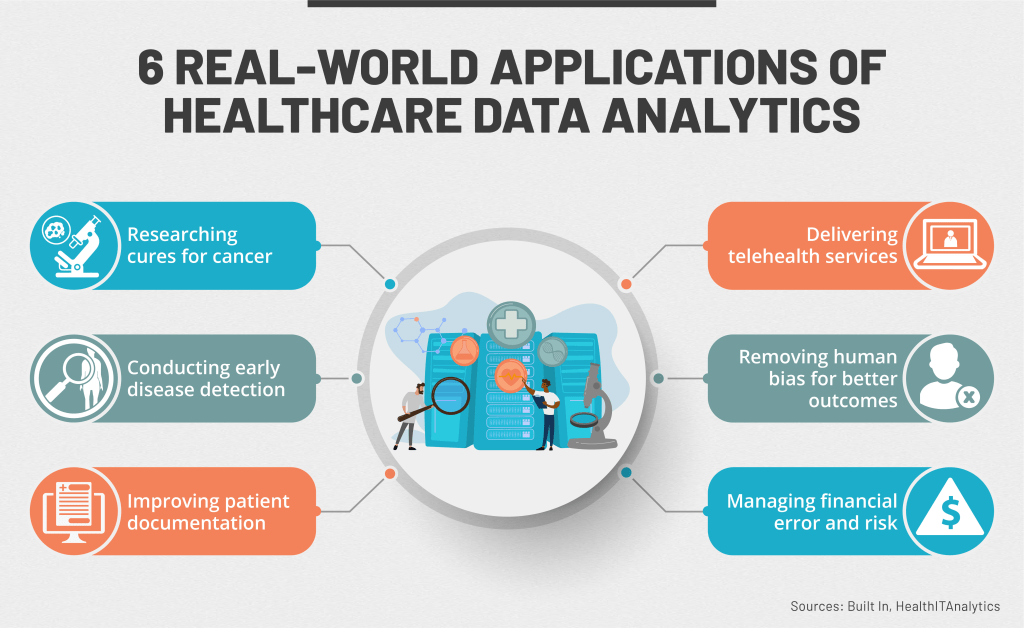
Photo By Maryville University Online
Data analytics can be used in various ways to shape the future of healthcare businesses. Here are some practical examples:
1. Predictive analytics: Data analytics can be used to predict future health outcomes and trends, enabling healthcare businesses to plan and allocate resources accordingly. For instance, predictive analytics can be used to identify patients who are at high risk of developing certain conditions and proactively intervene to prevent the conditions from developing.
2. Personalized medicine: Data analytics can be used to analyze patient data, including genetic information, to develop personalized treatment plans that are tailored to each patient’s unique needs. This approach can help healthcare businesses achieve better treatment outcomes and reduce costs by avoiding unnecessary treatments or procedures.
3. Cost optimization: Data analytics can be used to identify inefficiencies in healthcare business operations and reduce costs. For example, data analytics can be used to analyze supply chain data and optimize inventory management, reducing waste and improving efficiency.
4. Remote monitoring: Data analytics can be used to monitor patient health remotely and detect changes in health status early. This approach can help healthcare businesses provide more proactive and timely care, reduce hospital readmissions, and improve patient outcomes.
5. Population health management: Data analytics can be used to analyze population health data, such as disease prevalence and incidence rates, to develop targeted interventions that improve overall health outcomes. For example, population health management programs can be designed to reduce the prevalence of chronic diseases such as diabetes and hypertension by promoting healthy lifestyles and early intervention.
6. Clinical research: Data analytics can be used to analyze clinical trial data, identify patterns and trends, and develop more effective treatments. Data analytics can also be used to identify patient populations that are underrepresented in clinical trials and design studies that are more inclusive and representative.
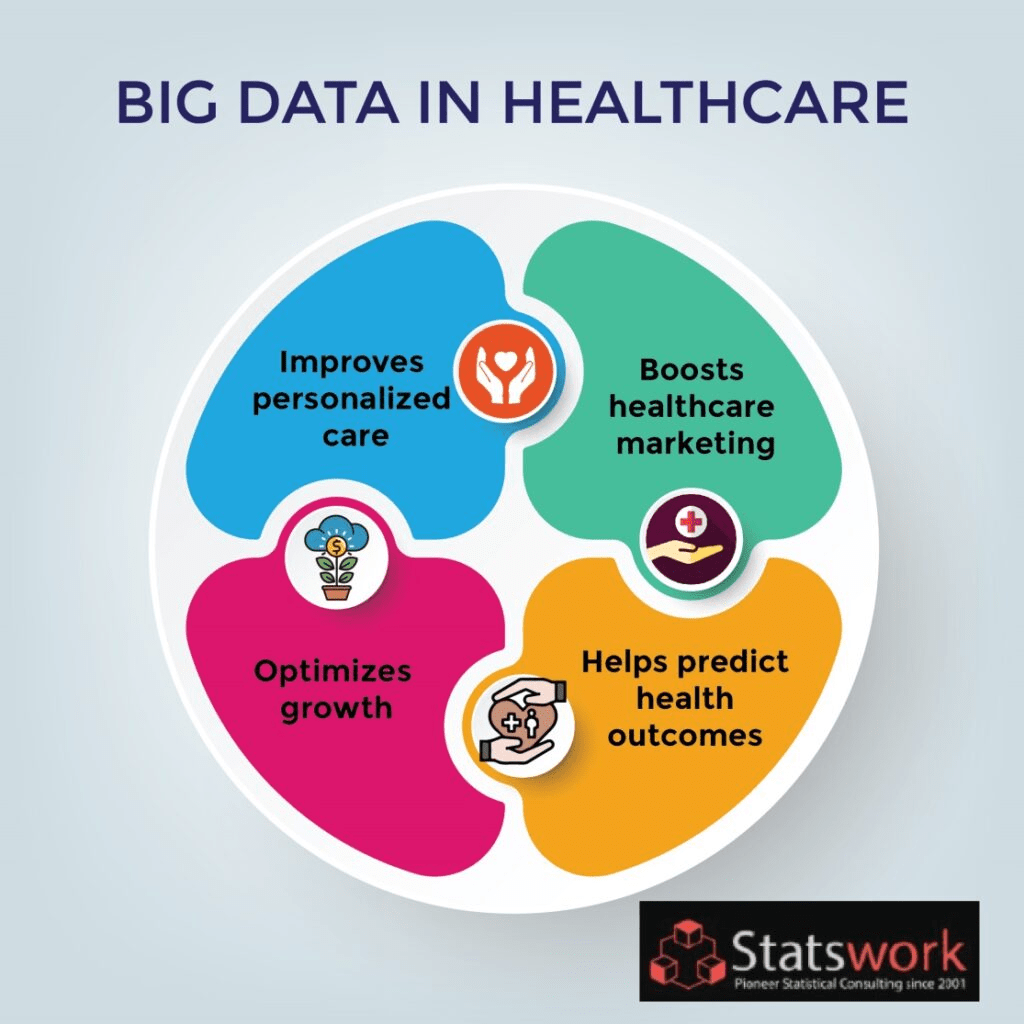
Photo By Statswork
Data analytics has the potential to revolutionize healthcare in Africa. By leveraging data analytics, healthcare providers can identify health trends, track patient outcomes, and optimize resource allocation, ultimately leading to improved healthcare outcomes and reduced costs. As data analytics technology continues to evolve, it is likely that we will see even more innovative uses of data analytics in healthcare in Africa and beyond.
Please leave your insights in the comment section below.

 Dr. Hamza Asumah
Leave a comment