
Hamza Asumah, MD, MBA
Over the past decade, the healthcare landscape in Africa has seen an innovative transformation, driven largely by a unique breed of professionals dubbed “doctorpreneurs.” These medical professionals, equipped with entrepreneurial spirits, have leveraged their medical expertise, leadership skills, and business acumen to revolutionize healthcare delivery across the continent.
Historically, healthcare in Africa has faced numerous challenges, including a lack of infrastructure, inadequate funding, shortages of healthcare professionals, and a high burden of disease. However, the emergence of doctorpreneurs has brought about a shift towards improved healthcare services, primarily through technology-driven solutions that address these persistent challenges.
This blog post explores the historical and contextual perspective of doctorpreneurs in Africa, highlighting their significant contributions to improving healthcare and reshaping the business landscape. Through data research and real-world examples, we will delve into how these visionary leaders have revolutionized healthcare delivery and made a lasting impact on the continent.

Photo By Forbes
The Emergence of Doctorpreneurs
Africa has long faced numerous healthcare challenges, including limited access to quality healthcare services, insufficient infrastructure, and inadequate resources. Doctorpreneurs emerged as a response to these issues, driven by a desire to bridge the healthcare gap and create sustainable solutions. Their efforts have been instrumental in transforming the healthcare landscape and addressing the unique needs of African communities.
The phenomenon of doctorpreneurs emerged in response to the pressing need for innovative solutions in Africa’s healthcare sector. These professionals, by straddling the line between medicine and entrepreneurship, have been able to bridge the gap between patient needs and healthcare service delivery.
A notable example is Dr. William Mapham, who in 2012, founded Vula Mobile, a mobile app that connects health workers in remote regions with specialists in hospitals across South Africa. The app has been instrumental in providing rural patients with access to specialist care, thereby addressing the challenge of healthcare access in remote regions.
Empowering Local Communities:
Doctorpreneurs have played a pivotal role in empowering local communities by developing healthcare initiatives that are tailored to their specific needs. For instance, Dr. Awojobi Oluyombo, a Nigerian doctorpreneur, established the Awojobi Clinic in a rural area, providing affordable and accessible healthcare services to thousands of people who previously had limited access to medical care. This initiative not only improved health outcomes but also created employment opportunities and stimulated the local economy.

Photo By Leadership Victoria
Leveraging Technology:
Doctorpreneurs in Africa have embraced technology to overcome geographical barriers and enhance healthcare delivery. The rise of telemedicine platforms, such as LifeBank in Nigeria, founded by Temie Giwa-Tubosun, has revolutionized the way medical services are accessed. By leveraging mobile technology, doctorpreneurs have connected patients in remote areas with qualified healthcare professionals, enabling timely diagnosis and treatment, and reducing the need for travel and associated costs.
Innovations in Medical Devices and Pharmaceuticals:
Doctorpreneurs have also made significant strides in developing innovative medical devices and pharmaceutical products specifically designed for Africa’s unique healthcare challenges. For example, Dr. Nneka Mobisson-Etuk, the founder of mDoc, created a digital health platform that provides personalized healthcare support to patients with chronic diseases. This platform utilizes mobile technology to monitor patients remotely, provide medication reminders, and offer expert advice, ultimately improving patient adherence and health outcomes.
Collaboration and Partnerships:
Doctorpreneurs have recognized the importance of collaboration and partnerships to amplify their impact. Initiatives such as the Africa Health Business Symposium (AHBS) and the African Medical Devices Forum (AMDF) bring together doctorpreneurs, policymakers, investors, and technology experts to foster knowledge exchange, explore funding opportunities, and promote innovative healthcare solutions. Such collaborations have facilitated the growth of a vibrant healthcare ecosystem, attracting investments and fostering entrepreneurship in the sector.

Photo By Strategy+Business
The Impact of Leadership in Healthcare
The success of such initiatives underscores the crucial role of leadership in effecting healthcare improvements. Doctorpreneurs, by virtue of their dual roles, are well-placed to understand the intricacies of the healthcare system and the business landscape, enabling them to navigate regulatory hurdles, secure funding, and effectively implement their innovative solutions.
According to a 2021 study by the World Health Organization (WHO), countries with robust health leadership tend to have better health outcomes. The researchers noted that leaders in health are crucial for establishing a vision, garnering support, overcoming challenges, and ensuring the successful implementation of health initiatives.
The Evolution of the Healthcare Business Landscape
The impact of doctorpreneurs extends beyond improving healthcare delivery to transforming the business landscape in Africa. They have catalyzed the growth of healthcare startups, attracted local and international investments, and promoted a culture of innovation in the healthcare sector.
For instance, LifeBank, co-founded by Dr. Temie Giwa-Tubosun in Nigeria, has greatly improved the supply of blood, oxygen, and other critical medical products to hospitals across the country. Since its inception in 2016, LifeBank has reportedly serviced over 1000 hospitals, delivered over 42,000 products, and attracted significant investment from local and international partners like the US Development Finance Corporation.
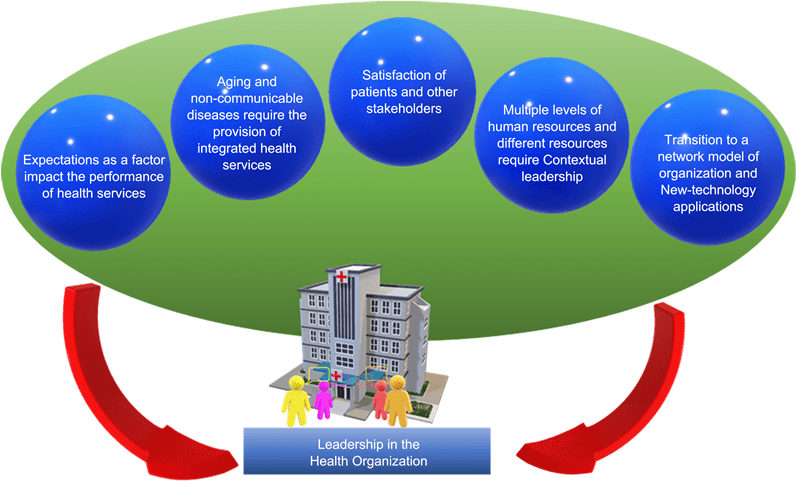
Photo By Scientific Research Publishing
The Way Forward
Despite the progress made, there is still much work to be done. As of 2022, the World Bank reported that sub-Saharan Africa has the world’s lowest healthcare expenditure per capita, with only about 5% of GDP invested in health. To improve this, the healthcare sector needs more doctorpreneurs who can leverage their expertise, leadership skills, and innovation to drive the necessary change.
In conclusion, doctorpreneurs in Africa are not just transforming the healthcare landscape; they are also shaping the business sector and fostering a culture of innovation. Their leadership has proven vital in overcoming the continent’s health challenges. By nurturing this breed of professionals and providing a conducive environment for them to thrive, Africa can look forward to an era of improved healthcare delivery and business
The Role of Policy and Infrastructure
Government policies and infrastructural support play a critical role in creating a conducive environment for doctorpreneurs. By making health a priority, governments can create policies that promote innovation and entrepreneurship in the sector. Additionally, infrastructure such as reliable internet connectivity and access to digital tools are crucial for tech-based health solutions to succeed.
In Rwanda, the government’s commitment to digital health has resulted in a significant transformation of the healthcare landscape. Zipline, a drone delivery company, has been instrumental in delivering medical supplies to remote parts of the country, significantly reducing delivery times and saving lives. This innovation was made possible by supportive government policies and investments in necessary infrastructure.
The Power of Partnerships and Collaboration
Collaboration and partnerships form a significant part of the success story of doctorpreneurs in Africa. Cross-sector collaboration between the healthcare sector, tech industry, and financial institutions can provide the necessary resources and expertise to scale these health innovations.
A notable example of this is the partnership between Safaricom, a leading telecommunications company in Kenya, and the Nairobi Women’s Hospital, which led to the development of the Daktari 1525 service. This 24-hour call center allows users to obtain medical consultations over the phone, thus improving access to healthcare services, particularly for those in remote areas.
The Future of Doctorpreneurship in Africa
The future of doctorpreneurship in Africa looks promising. With the increasing proliferation of technology and a growing recognition of the value of innovation in healthcare, the stage is set for a revolution in the sector. The African digital health market is projected to reach $5.12 billion by 2025, according to a 2021 report by Frost & Sullivan, suggesting an expanding field for doctorpreneurship.
Furthermore, the COVID-19 pandemic has underscored the importance of innovation in healthcare. Doctorpreneurs like Dr. Patrick Soon-Shiong, a South African surgeon, and biotech entrepreneur, played a significant role in the global COVID-19 response by working towards the development of a novel vaccine through his company, ImmunityBio. This endeavor underscores the pivotal role doctorpreneurs can play in addressing global health crises.

Photo By Aspen University
In the face of persistent healthcare challenges in Africa, doctorpreneurs have emerged as a beacon of hope, leveraging their medical expertise and entrepreneurial skills to revolutionize healthcare delivery. Their leadership has catalyzed innovation, transformed the business landscape, and improved health outcomes. While challenges remain, the future of doctorpreneurship in Africa is bright, promising a new era of improved healthcare delivery and a robust health business landscape. However, to fully harness this potential, supportive government policies, infrastructural development, and collaborative efforts are required. The success of these doctorpreneurs serves as a call to action for all stakeholders to invest in and support this vital sector, to create a healthier future for Africa.
Please leave your insights in the comment section below.

 Dr. Hamza Asumah
Leave a comment