
Hamza Asumah, MD, MBA
As a doctorpreneur in Africa, the challenge of navigating an evolving healthcare landscape can be daunting. However, the “Circles of Control, Influence, and Concern” model provides a useful framework that can guide us through this complex journey. This model, developed by Stephen R. Covey in his seminal book “The 7 Habits of Highly Effective People”, can aid us in differentiating between what we can control, influence, and should be concerned about.
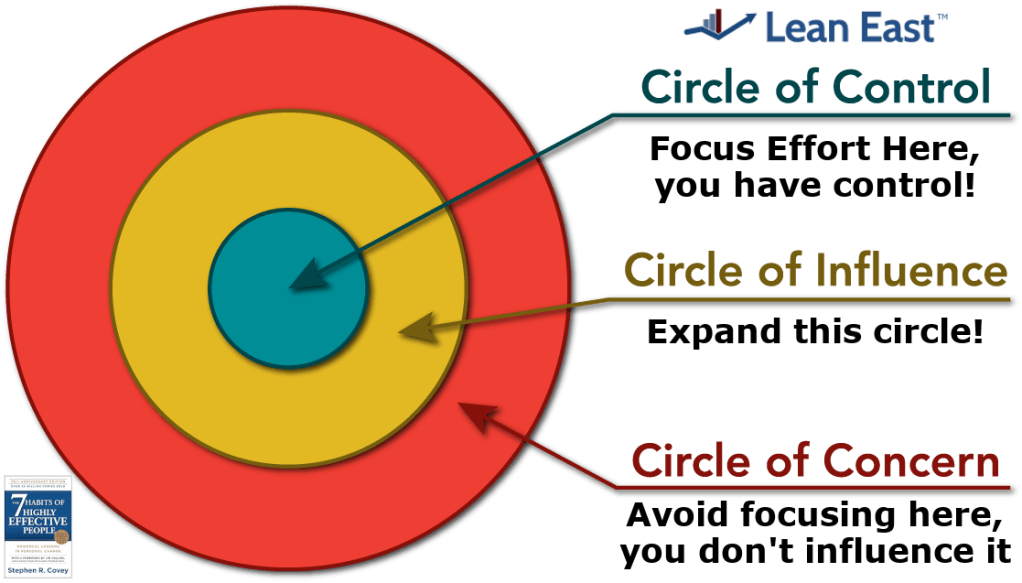
Photo By Lean East
The model consists of three circles:
1. Circle of Control: These are the things we have direct control over, such as our actions, decisions, and responses.
2. Circle of Influence: These are aspects we can affect indirectly, including people’s attitudes, systems, or policies.
3. Circle of Concern: This circle includes broader issues that we care about but have little to no control over, for instance, national healthcare policies or global pandemics.
By understanding this model, healthcare entrepreneurs in Africa can strategically focus their energy on areas where they can make the most impact.
Applying the Model to Healthcare in Africa
In the African healthcare context, the Circle of Control could include your decision to start a healthcare business, your business model, the quality of services you provide, and how you treat your team and patients. It is essential to prioritize these elements as they directly impact the success of your business.
Research supports the importance of focusing on what we can control. A 2017 study published in the “Journal of Occupational and Organizational Psychology” found that employees who focus on elements within their control, such as their job performance and work relationships, have better job satisfaction and mental health.
The Circle of Influence in healthcare might encompass working with local communities, partnering with other health providers, or advocating for better healthcare policies. According to a 2020 study in the “Journal of General Internal Medicine”, doctors who engaged in advocacy reported feeling more fulfilled and believed they were making a broader impact on community health.
The Circle of Concern can include broader health issues affecting Africa, such as the prevalence of communicable diseases or the lack of universal healthcare. While these issues may be beyond your direct control or influence, being aware of them can guide your long-term strategy and help you advocate for change effectively.
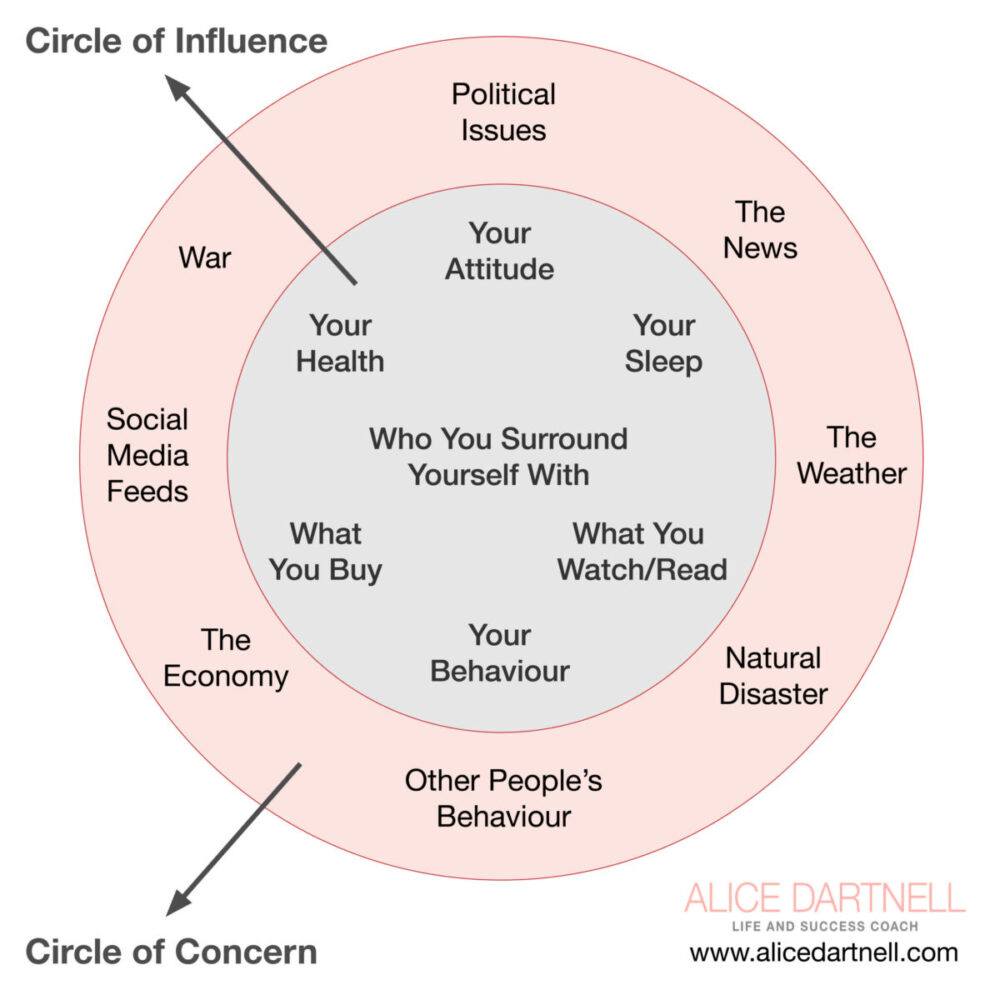
Photo By Alice Dartnell
Navigating the Changing Healthcare Landscape
The healthcare landscape in Africa is rapidly changing due to factors such as technological advancements, population growth, and the ever-increasing burden of chronic diseases. As a doctorpreneur, understanding and applying the principles of control, influence, and concern can help navigate these changes.
The advent of telemedicine and digital healthcare solutions represents a significant change. While the technology itself might be in the Circle of Concern, how you incorporate it into your business falls within your Circle of Control. According to the World Health Organization (WHO), digital health interventions can improve health system efficiencies and quality of care, particularly in resource-limited settings.
Population growth and the rising burden of chronic diseases are broad concerns. However, you can influence these issues by advocating for preventative care policies, creating awareness, and building partnerships with organizations focused on these areas.
Photo By YouTube
To practically apply the Circles of Control, Influence, and Concern to grow your healthcare business, consider following this trilogy of guiding principles:
1. Prioritize Proactivity Over Reactivity
This principle focuses on being proactive rather than reactive. In the Circle of Control, it’s all about actions and decisions that you can directly influence. Making proactive decisions, such as investing in staff training, adopting new technologies, and implementing patient-centric care, can significantly improve your business’s overall performance and growth.
A 2019 study in the “Journal of Healthcare Leadership” supports this, finding that proactive leadership in healthcare can lead to improved patient outcomes and operational efficiency. By focusing on what you can control and taking proactive steps, you’re building a solid foundation for your healthcare business.
2. Leverage Collaborative Influence
In the Circle of Influence, collaboration is key. Building strong relationships with other healthcare providers, government agencies, and non-profit organizations can help extend your reach and impact. This principle is about leveraging your influence through collaboration to bring about positive health outcomes in your community.
Research in the “International Journal of Health Policy and Management” (2020) found that collaborative efforts in healthcare can lead to resource sharing, knowledge transfer, and improved patient care. By fostering effective collaborations, you can influence a wider range of healthcare aspects, from policy reforms to community health education.
3. Cultivate Strategic Awareness
In the Circle of Concern, the focus is on cultivating strategic awareness. While you may not have direct control or influence over these broader issues, by staying informed and understanding these concerns, you can make strategic business decisions. This awareness can help you anticipate changes, identify trends, and align your business strategy accordingly.
According to a 2021 report by McKinsey & Company, healthcare leaders who demonstrate strategic awareness are better positioned to navigate the rapidly changing healthcare landscape. They can identify emerging opportunities, adapt their business models, and contribute to broader health discussions and policy developments.

Photo By LinkedIn
To grow a successful healthcare business by applying the Circles of Control, Influence, and Concern, be proactive in your actions, leverage your influence through collaboration, and cultivate strategic awareness of broader health concerns. These guiding principles offer a practical approach to navigate the evolving healthcare landscape in Africa, fostering growth, sustainability, and positive impact.
Building a successful healthcare business in Africa requires more than medical expertise. It requires entrepreneurial acumen, strategic thinking, and a keen understanding of what you can control, influence, and be concerned about. As the healthcare landscape continues to evolve, the Circles of Control, Influence, and Concern model remains a valuable tool for doctorpreneurs navigating this dynamic environment.
One of the keys to leveraging this model effectively is to focus primarily on your Circle of Control. This means constantly improving your healthcare services, investing in your team, and making decisions that align with your business goals and values. Not only will this enhance your business’s reputation, but it will also attract patients and partners, thereby expanding your Circle of Influence.
The Circle of Influence is where you can make a significant impact beyond the boundaries of your business. By collaborating with other healthcare providers, advocating for health policies, or engaging in community health education, you can help shape a healthier future for Africa. A 2018 study in the “Journal of Global Health” suggested that healthcare workers’ active involvement in community outreach and health policy advocacy could significantly improve health outcomes, particularly in low-resource settings.
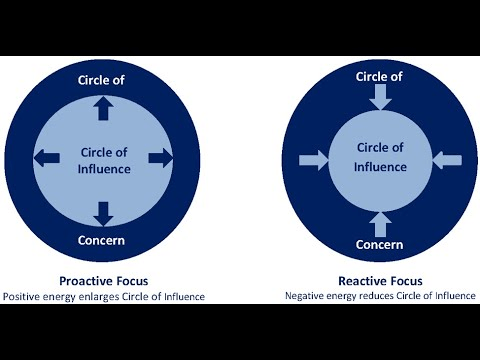
Photo By YouTube
Finally, it’s important to stay informed about the issues in your Circle of Concern. While you may not be able to directly affect national health policies or global health trends, understanding these issues can help you anticipate changes, adapt your business strategy, and identify opportunities for advocacy.
In the face of the COVID-19 pandemic, for example, many healthcare entrepreneurs pivoted their businesses to address emerging needs, such as providing telemedicine services or implementing infection control protocols. This ability to adapt to changes in the Circle of Concern is crucial for the resilience and success of your healthcare business.
As a doctorpreneur in Africa, the Circles of Control, Influence, and Concern model offers a roadmap for building a successful healthcare business amidst a changing landscape. By focusing on what you can control, leveraging your influence, and staying informed about your concerns, you can not only grow your business but also contribute to the betterment of healthcare in Africa.
Remember, building a successful healthcare enterprise is not just about making a profit. It’s about making a positive impact on the health and wellness of your community, your country, and ultimately, your continent. The Circles of Control, Influence, and Concern model is a powerful tool to help you achieve that goal.
Please leave your insights in the comment section below.


 Dr. Hamza Asumah
Leave a comment