
Hamza Asumah, MD, MBA
The African healthcare landscape has been undergoing transformative changes, with the emergence of a new generation of ‘doctorpreneurs’ committed to improving healthcare services across the continent. This blog focuses on how these innovative medical professionals can leverage the principles of the “Blue Ocean Strategy” by W. Chan Kim and Renée Mauborgne to build a successful healthcare business in Africa.
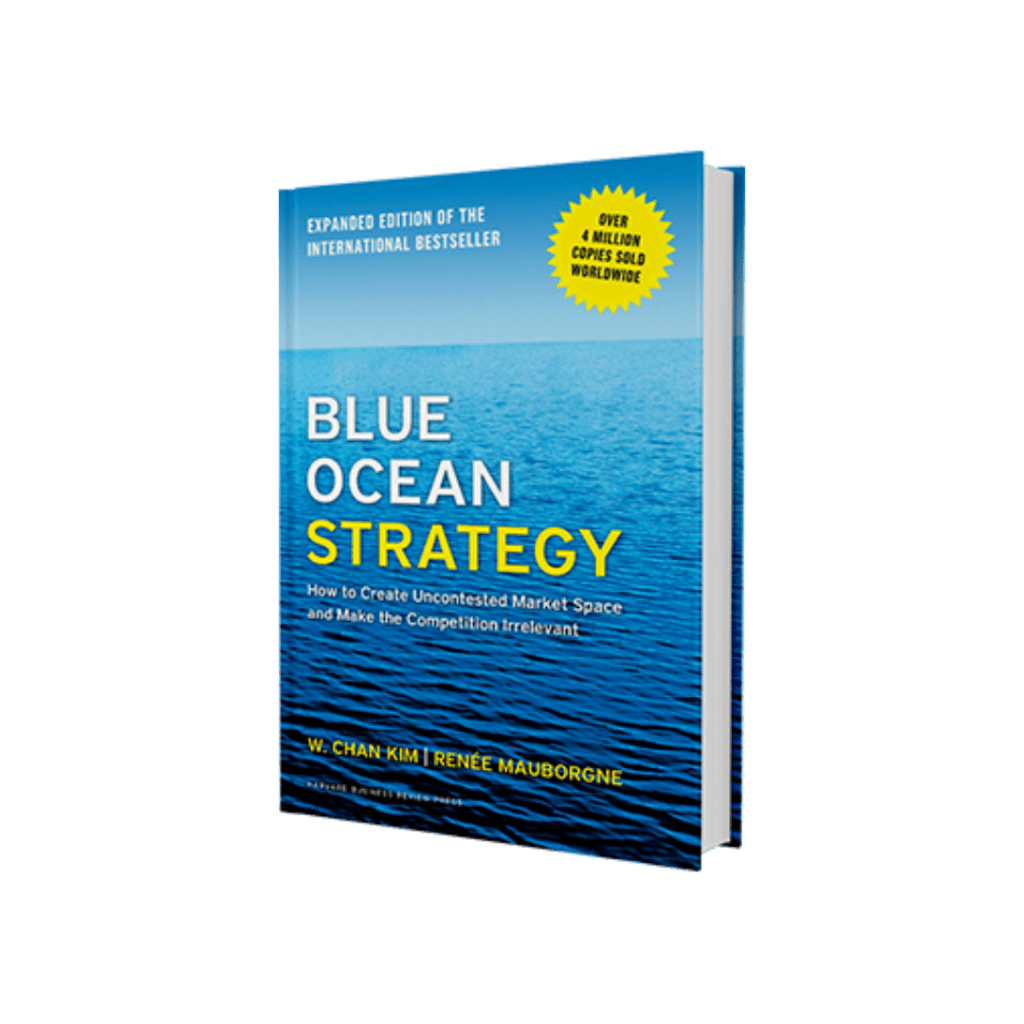
Photo By Blue Ocean Strategy
Understanding the Blue Ocean Strategy
The Blue Ocean Strategy is a business model that encourages companies to create uncontested market spaces, or ‘blue oceans’, instead of competing in an existing market with fierce competition or ‘red oceans’. This strategy is a roadmap for entrepreneurs to innovate and create their unique value proposition, thus producing new demand and making competition irrelevant.
Applying the Blue Ocean Strategy to African Healthcare
1. Create Uncontested Market Space: With Africa’s population forecasted to reach 2.5 billion by 2050, the demand for healthcare services is set to increase exponentially. Yet, healthcare services are overwhelmed and under-resourced. Here lies the opportunity for doctorpreneurs to create blue oceans by identifying and filling the gaps in healthcare provision.
For instance, telemedicine is an area with significant potential due to the vast geographical distances and the lack of healthcare facilities in remote areas. By creating a digital platform that connects patients with healthcare providers, doctorpreneurs can tap into an uncontested market space, thereby fulfilling a crucial need.
2. Make the Competition Irrelevant: The Blue Ocean Strategy argues that successful businesses don’t compete; instead, they make the competition irrelevant. This can be achieved by offering unique services that are not available elsewhere.
In the African healthcare context, this could mean providing specialized care tailored to the continent’s unique health challenges, like malaria, HIV/AIDS, and malnutrition. For example, a healthcare business focusing on preventive care and early detection of these diseases can carve a unique niche, making competition irrelevant.
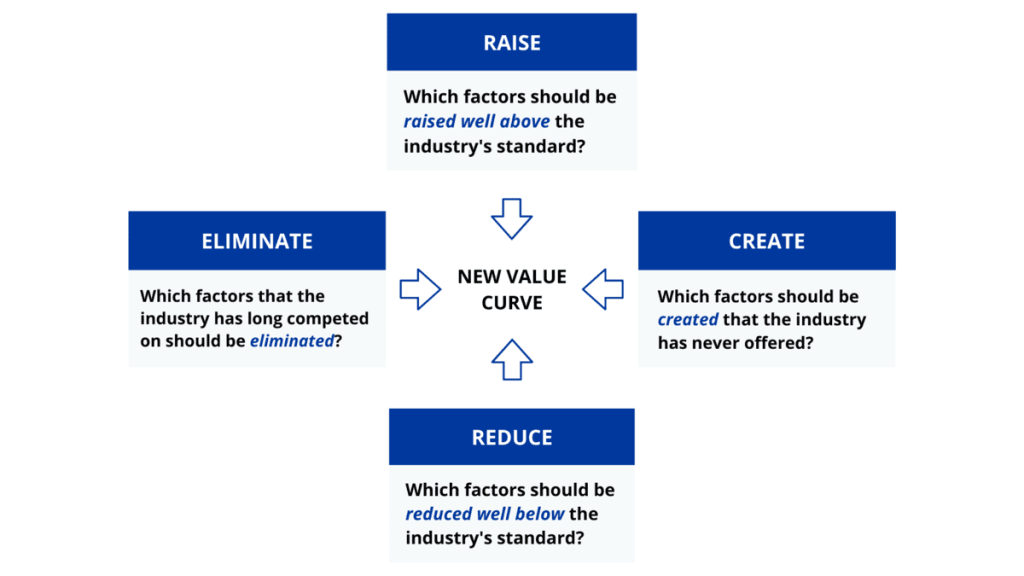
Photo By Blue Ocean Strategy
3. Create and Capture New Demand: Africa’s burgeoning middle class, estimated to reach 1.1 billion by 2060, represents a new demand for high-quality healthcare services. By offering affordable, high-quality healthcare, doctorpreneurs can capture this new demand.
For instance, a healthcare business that leverages technology to offer affordable diagnostic services or virtual consultations can create and capture this new demand.
4. Break the Value-Cost Trade-Off: The Blue Ocean Strategy encourages businesses to break the value-cost trade-off by offering high value at a low cost. In the African healthcare context, this could mean leveraging technology, collaborating with international health organizations, or innovating in the supply chain to reduce costs while delivering high-value services.
For example, a healthcare business that uses AI and machine learning for diagnosis can offer high-quality services at a lower cost, breaking the value-cost trade-off.
5. Alignment of the System: Lastly, the Blue Ocean Strategy emphasizes aligning all activities of the company in pursuit of differentiation and low cost. For African doctorpreneurs, this could mean building partnerships with government agencies, NGOs, and other stakeholders to achieve their mission, thereby aligning all efforts towards creating a blue ocean.

Photo By Blue Ocean Strategy
Leadership and Navigating the Industry using Blue Ocean Strategy
The Blue Ocean Strategy provides a valuable guide for leadership within the healthcare industry. It encourages leaders to foster a culture of innovation and to think outside traditional industry boundaries. By focusing on creating new markets rather than competing in existing ones, leaders can inspire their teams to challenge the status quo.
Value innovation lies at the core of the Blue Ocean Strategy. African doctorpreneurs should focus on creating exceptional value for their patients by understanding their needs and pain points. By offering unique and affordable healthcare solutions, doctorpreneurs can tap into unmet demand and attract a broader customer base.
According to a survey conducted by the World Bank, access to quality healthcare is one of the primary concerns for African populations. By leveraging the Blue Ocean Strategy, doctorpreneurs can address this demand and make a significant impact.
In the African healthcare landscape, affordability is a critical factor. Doctorpreneurs should focus on cost-effectiveness while maintaining quality standards. By streamlining processes, optimizing resource allocation, and leveraging economies of scale, they can provide high-quality healthcare solutions at affordable prices.
A study published in the African Journal of Business Management highlighted that cost-effective healthcare solutions are essential for ensuring accessibility and reducing the burden on patients.
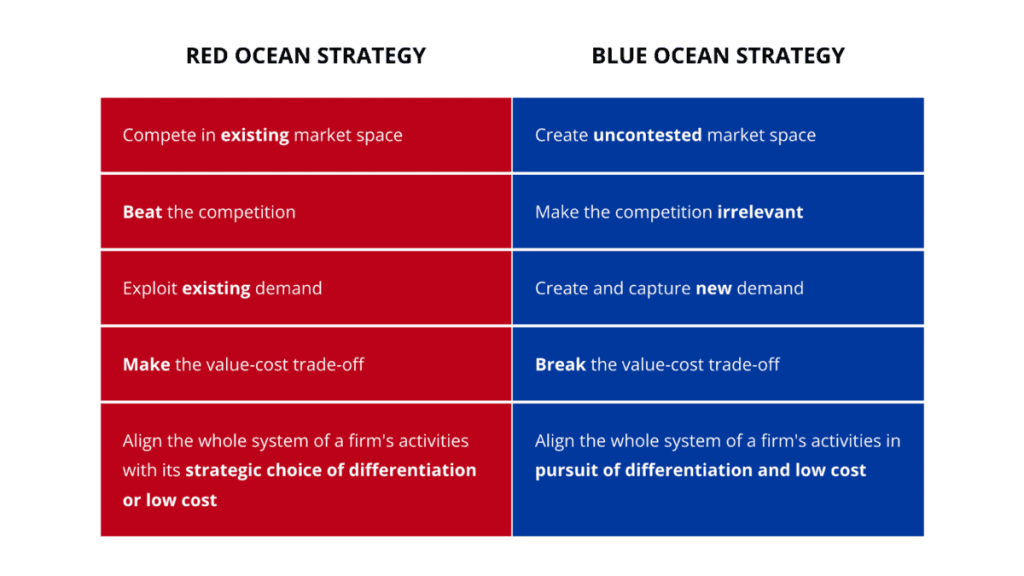
Photo By Blue Ocean Strategy
Here are some potential blue oceans within healthcare businesses in Africa that doctorpreneurs can explore:
1. Mobile Health Clinics:
In many remote and underserved areas of Africa, access to healthcare facilities is limited. Doctorpreneurs can establish mobile health clinics equipped with medical professionals, diagnostic tools, and essential medications. These clinics can travel to different locations, reaching populations that lack access to traditional healthcare services. By providing on-the-spot medical consultations, preventive care, and basic treatments, doctorpreneurs can tap into a blue ocean of untapped demand and make a significant impact on public health.
2. Healthcare Financing Solutions:
Affordability remains a significant challenge for many Africans seeking quality healthcare. Doctorpreneurs can develop innovative healthcare financing solutions to address this issue. For example, they can collaborate with insurance companies to offer affordable health insurance plans tailored to the needs of low-income individuals and families. Additionally, implementing microfinance models or crowdfunding platforms specifically for medical expenses can help bridge the financial gap and increase healthcare accessibility.
3. Preventive Healthcare and Wellness Programs:
While healthcare in Africa often focuses on treating diseases, there is a growing need for preventive healthcare and wellness programs. Doctorpreneurs can create blue oceans by developing comprehensive preventive healthcare packages that include regular check-ups, health screenings, nutritional guidance, and lifestyle management. By shifting the focus towards prevention, doctorpreneurs can help reduce the burden of diseases and promote overall well-being.
4. Telemedicine and Remote Healthcare Services:
Telemedicine has shown tremendous potential in bridging the healthcare gap in Africa. Doctorpreneurs can establish telemedicine platforms that connect patients with healthcare professionals remotely. Through video consultations, remote monitoring, and digital health records, doctorpreneurs can provide convenient and cost-effective healthcare services to individuals who face challenges in accessing physical healthcare facilities. This blue ocean strategy not only expands the reach of healthcare but also reduces the need for patients to travel long distances, particularly in rural areas.
5. Medical Tourism:
Africa has vast potential to attract medical tourists seeking specialized treatments and procedures. Doctorpreneurs can establish world-class medical facilities and centers of excellence in specific medical fields. By providing high-quality healthcare services at competitive prices, doctorpreneurs can tap into the medical tourism industry and attract patients from other countries. This would not only generate revenue but also promote knowledge transfer and skill development among local healthcare professionals.

Photo By LinkedIn
In conclusion, in the dynamic and rapidly evolving healthcare industry in Africa, doctorpreneurs face unique challenges and opportunities. To build a successful healthcare business in this environment, it is crucial to adopt innovative strategies and approaches.
Please leave your insights in the comment section below.

 Dr. Hamza Asumah
Leave a comment