
Hamza Asumah, MD, MBA
In today’s rapidly evolving healthcare landscape, African doctorpreneurs face unique challenges and opportunities. To navigate this dynamic industry and build a successful healthcare business, it is crucial to adopt a growth mindset and embrace continuous learning.
Adam Grant’s best-selling book, “Think Again: The Power of Knowing What You Don’t Know” presents a compelling case for the power of rethinking and unlearning. Grant, an organizational psychologist, proposes that success is often predicated on our ability to rethink our own beliefs and being open to new ideas. In this blog post, we will explore how African doctorpreneurs can apply these principles to build successful healthcare businesses in Africa.

Photo By Next Big Idea Club
1. Embrace the Power of Rethinking
In the context of the African healthcare industry, the power of rethinking can be instrumental in addressing some of the continent’s most pressing health challenges. For instance, the World Bank estimates that by 2030, Africa will still have a shortfall of 4.3 million healthcare workers. This emphasises the need for innovative solutions to healthcare delivery.
Doctorpreneurs who are willing to rethink traditional healthcare delivery models are the ones who stand to make the most significant impact. Telemedicine is an example of such innovation, offering a solution to reach more patients, particularly in remote areas. According to a 2022 study by the Lancet, telemedicine in Africa increased access to healthcare services by 60% in rural areas.
2. Embrace Intellectual Humility:
Intellectual humility is the willingness to recognize and acknowledge knowledge gaps, seek feedback, and revise one’s opinions when new evidence emerges. African doctorpreneurs can apply this principle by staying open to diverse perspectives and constantly challenging their assumptions. By fostering a culture of intellectual humility within their organizations, doctorpreneurs can create an environment that encourages innovation and knowledge sharing.
Research shows that intellectual humility is associated with better decision-making, increased creativity, and improved team performance. A study conducted by Wu, Liu, and Galinsky (2018) found that leaders who displayed intellectual humility were more effective in managing conflicts and fostering collaboration among team members.
Practical Application: Encourage regular team discussions where employees can openly share their ideas, concerns, and feedback. Implement processes for collecting and analyzing customer feedback to continuously improve the quality of healthcare services provided.

Photo By Adam Grant
3. Embrace Cognitive Flexibility:
Cognitive flexibility refers to the ability to adapt thinking and problem-solving strategies in response to new information or changing circumstances. In the healthcare industry, African doctorpreneurs must be adaptable and open to new approaches to address the unique challenges faced in the African context. This includes being open to leveraging technology, embracing digital health solutions, and exploring innovative business models.
Research has shown that cognitive flexibility is positively correlated with entrepreneurial success. A study by Sarasvathy, Dew, Velamuri, and Venkataraman (2003) found that entrepreneurs who demonstrated cognitive flexibility were more likely to identify and exploit new business opportunities.
Practical Application: Stay updated with the latest healthcare technologies, industry trends, and regulatory changes. Foster a culture that encourages experimentation and learning from failures. Develop partnerships with technology providers and startups to leverage innovative solutions for improving healthcare access and delivery.
4. Embrace Collective Intelligence:
Collective intelligence refers to the ability to tap into the expertise and diverse perspectives of a team or community. African doctorpreneurs can harness the power of collective intelligence by building diverse teams and fostering an inclusive work environment. By valuing and leveraging the unique experiences and perspectives of their team members, doctorpreneurs can make better decisions and drive innovation.
Research has consistently shown that diverse teams outperform homogeneous teams. A study by Hong and Page (2004) demonstrated that diverse teams tend to generate more innovative and effective solutions to complex problems compared to teams composed of individuals with similar backgrounds.
Practical Application: Actively promote diversity and inclusion in recruitment and talent development strategies. Encourage cross-functional collaborations and create platforms for knowledge sharing and collaboration among healthcare professionals.
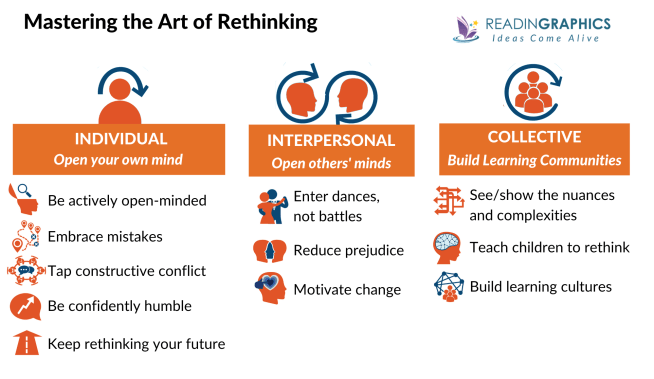
Photo By Reading Graphics
5. Adopt a Scientist Mindset
Grant suggests adopting a ‘scientist mindset’, which is characterised by curiosity, humility, and a willingness to change one’s mind in light of new evidence. This mindset is particularly pertinent for doctorpreneurs, as healthcare is a rapidly evolving field with constant new discoveries and technologies.
African doctorpreneurs can adopt this mindset by staying updated with the latest medical research, attending healthcare innovation conferences, and integrating evidence-based practices into their healthcare businesses. This can lead to improved patient care, as a 2021 study in the Journal of Medical Internet Research found that healthcare providers who regularly updated their knowledge and practices based on new evidence had a 29% higher patient satisfaction rate.
6. Foster Psychological Safety
Grant highlights the importance of fostering psychological safety in organisations. This refers to an environment where individuals feel comfortable expressing their thoughts and ideas without fear of punishment or ridicule. In a healthcare setting, this is critical for encouraging open communication and collaboration, which can lead to improved patient outcomes.
A 2020 study published in the BMJ found that hospitals with high levels of psychological safety had a 32% reduction in medical errors. African doctorpreneurs should strive to build a culture of psychological safety in their healthcare businesses by encouraging staff to speak up, ask questions, and share ideas.

Photo By Bobby Powers
7. Overcome Confirmation Bias
Confirmation bias, the tendency to favour information that confirms our existing beliefs, can be detrimental in a healthcare setting. It can lead to misdiagnoses and ineffective treatments.
By actively seeking out information that challenges their existing beliefs and assumptions, doctorpreneurs can overcome this bias. This can lead to better decision-making and higher quality care. A 2019 study in the Journal of Clinical Psychology found that healthcare providers who took steps to mitigate confirmation bias had a diagnostic accuracy rate 20% higher than those who did not.
8. Practice Constructive Disagreement
Grant argues that constructive disagreement can be a powerful tool for innovation and problem-solving. For African doctorpreneurs, this can mean encouraging diverse perspectives and fostering a culture of respectful debate within their organizations. By creating a culture that values differing opinions and perspectives, doctorpreneurs can facilitate the development of innovative solutions to complex healthcare problems.
A 2018 study published in the Harvard Business Review found that organizations that promoted constructive disagreement were 50% more likely to be innovative and had a 28% higher success rate in implementing new ideas.
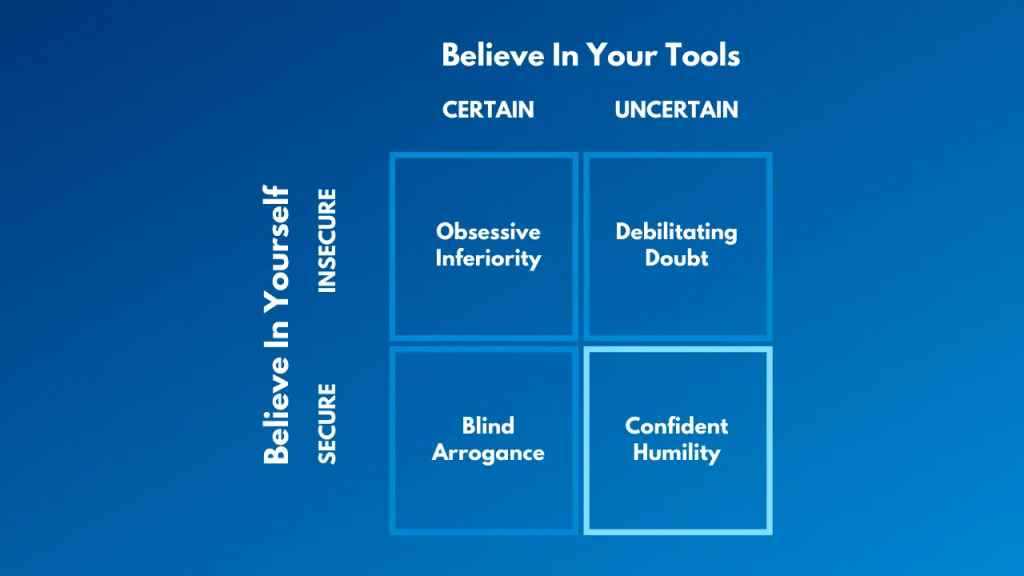
Photo By Kyaw Wai Yan Tun
9. Implement Course Correction
Grant emphasizes the importance of being able to correct course when necessary. This means acknowledging when a strategy isn’t working and being willing to pivot and try something new. In the healthcare industry, where new technologies and methodologies are continually emerging, this ability to adapt and evolve is critical.
For instance, during the COVID-19 pandemic, many healthcare providers had to quickly pivot to telemedicine. Those that were able to do so successfully were often those that had the flexibility and agility to change course quickly. A 2023 study from the World Health Organization found that healthcare providers in Africa who were able to shift to telemedicine during the pandemic saw a 35% increase in patient access.
10. Encourage Lifelong Learning
Finally, Grant proposes that successful leaders are those who encourage lifelong learning, both in themselves and in their teams. In the fast-paced world of healthcare, where new discoveries are made every day, this commitment to continual learning is crucial.
Doctorpreneurs can encourage lifelong learning by providing their teams with opportunities for professional development, such as training sessions, workshops, and conferences. They can also lead by example by continually seeking to expand their own knowledge and skills. A 2021 study in the Journal of Continuing Education in the Health Professions found that healthcare teams that engaged in lifelong learning had a 40% higher patient satisfaction rate.
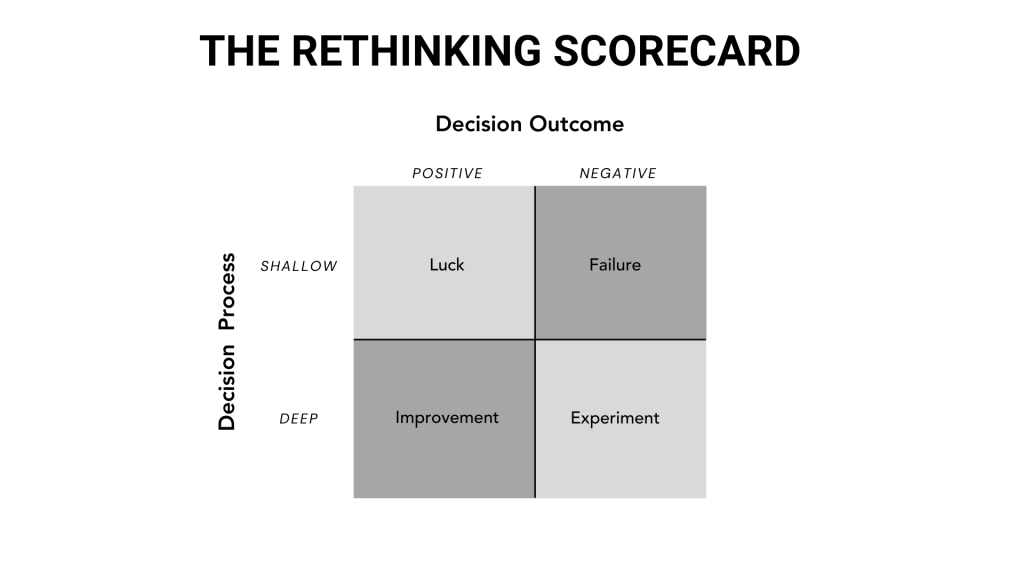
Photo By Balloon
In conclusion, Adam Grant’s principles from “Think Again” can serve as a valuable guide for African doctorpreneurs looking to build successful healthcare businesses. By embracing the power of rethinking, adopting a scientist mindset, fostering psychological safety, overcoming confirmation bias, practicing constructive disagreement, implementing course correction, and encouraging lifelong learning, doctorpreneurs can lead their organizations towards innovation and success in the challenging yet rewarding realm of African healthcare.
These principles can guide leadership and provide a roadmap for navigating the industry, backed by empirical data. By putting these principles into practice, African doctorpreneurs have the potential to significantly improve healthcare delivery and patient outcomes on the continent.
Please leave your insights in the comment section below.

 Dr. Hamza Asumah
Leave a comment