
Hamza Asumah, MD, MBA
The healthcare industry in Africa presents numerous untapped opportunities for entrepreneurs who are willing to address the challenges faced by the sector. With a rapidly growing population, an increase in non-communicable diseases, and a need for quality healthcare services, the demand for innovative healthcare solutions is on the rise. In this blog post, we will discuss how to evaluate the market and assess the viability of a healthcare business idea in Africa, providing you with data-driven insights and strategies to increase your chances of success.

Photo By Gowling WLG
1. Understand the African healthcare landscape
Before diving into the market, it’s essential to understand the unique aspects of the African healthcare landscape. Some key facts to consider include:
– Africa has a population of 1.3 billion people, with over 40% under the age of 15 (World Bank, 2021).
– The healthcare expenditure in Africa was $159 per capita in 2018, compared to the global average of $1,059 (World Bank, 2021).
– Non-communicable diseases are on the rise, accounting for 44% of all deaths in Africa in 2020 (WHO, 2021).
– Africa has a significant shortage of healthcare professionals, with only 1.3 doctors and nurses per 1,000 people (WHO, 2021).
These factors highlight the need for innovative healthcare solutions that cater to the unique challenges faced by the African population.
2. Identify the problem or unmet need
Start by identifying a problem or unmet need in the African healthcare industry that your business can address. This could be a gap in services, a lack of access to care, or a particular patient population that isn’t being served. Some potential areas of opportunity include:
– Telemedicine services to increase access to healthcare in remote areas
– Affordable diagnostic tools for early detection of diseases
– Digital health platforms to improve patient care and health records management
– Training programs for healthcare professionals to address the skills shortage

Photo By Shopify
3. Conduct market research and competitive analysis
Perform market research to understand the size of the potential market, the competition, and the demand for your product or service. This will help you identify your target customers and determine the potential market share you can capture. Analyze the demographics, health trends, and regulatory environment in your target market.
Competitive analysis is also crucial to understand the strengths and weaknesses of your competitors. This will help you determine the unique selling proposition (USP) of your business, which is what sets you apart from existing players in the market.
4. Develop a business model and financial projections
Create a clear business model that outlines how you will generate revenue and the cost structure of your business. Consider factors such as the pricing strategy, payment model (e.g., subscription, pay-per-use, etc.), and potential partnerships or collaborations. Then, develop financial projections to estimate the revenue, expenses, and profitability of your business. Make sure to account for the initial investment required to start the business, ongoing operational costs, and the break-even point.

Photo By Startup Tips Daily
5. Validate your idea and gather feedback
Test your business idea with potential customers through surveys, focus groups, or a minimum viable product (MVP). This will help you gather valuable feedback and identify any necessary improvements or adjustments to your product or service offering. It’s essential to iterate and refine your idea based on the feedback you receive, as this can significantly impact the success of your business.
6. Understand the regulatory environment
Ensure that your business complies with all necessary laws and regulations in your target market. This includes obtaining necessary licenses and certifications, adhering to privacy and security regulations, and maintaining proper documentation and records. Navigating the regulatory environment in Africa can be challenging, so consider seeking legal advice or partnering with local organizations to ensure compliance.
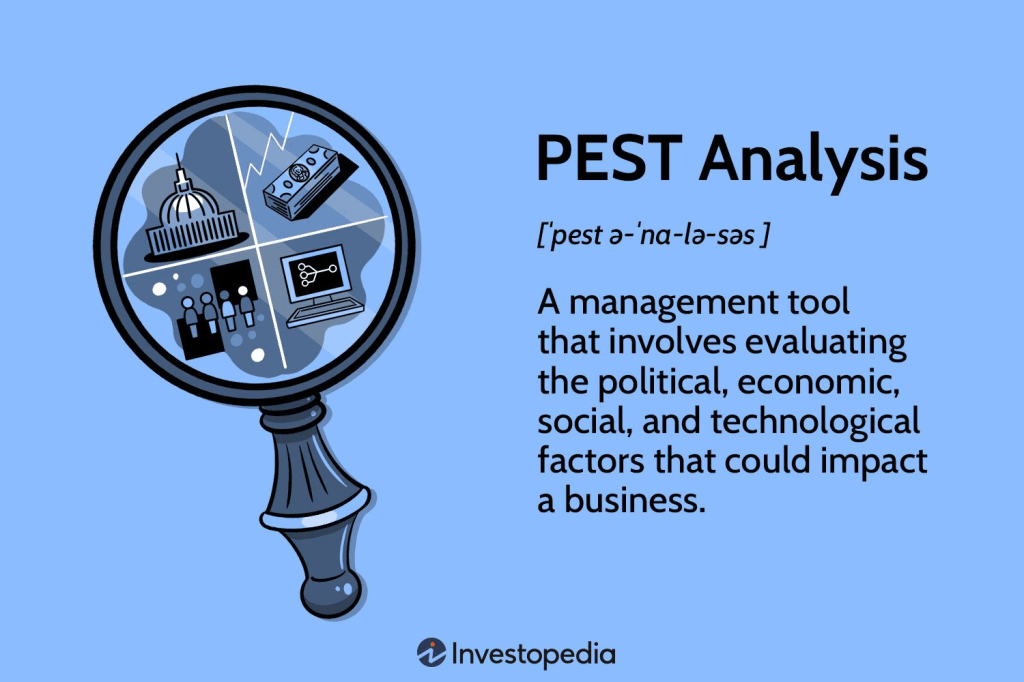
Photo By Investopedia
7. Develop a marketing and distribution strategy
A well-crafted marketing and distribution strategy is vital for the success of your healthcare business in Africa. Identify the most effective channels to reach your target audience, such as social media, traditional media, or community outreach programs. Develop a strong brand identity and messaging that resonates with your target customers. In addition, consider partnering with local organizations, healthcare providers, or government agencies to improve your distribution network and reach more customers.
8. Assess risks and develop mitigation strategies
Identify potential risks and challenges that your business may face, such as market risks, financial risks, or operational risks. Develop strategies to mitigate these risks and ensure the long-term success of your business. For example, diversify your revenue streams, maintain a lean operating model, or invest in employee training to improve service quality.
9. Create a comprehensive business plan
Once you’ve conducted thorough research and analysis, create a comprehensive business plan that outlines your business objectives, target market, competitive analysis, business model, marketing strategy, financial projections, and risk analysis. This document will serve as a roadmap for your business and can be used to secure funding, attract potential partners, or guide your team’s efforts.
10. Seek funding and support
If necessary, seek funding to start your business. This could include approaching investors, applying for loans, or exploring government grants and other funding opportunities. In addition, consider joining business incubators, accelerators, or mentorship programs that can provide valuable resources, guidance, and support for your healthcare venture in Africa.

Photo By Fresh Books
Identifying a profitable healthcare business opportunity in Africa requires careful research, planning, and execution. By following these steps and taking into account the unique challenges and opportunities presented by the African healthcare landscape, you can increase your chances of success and make a meaningful impact on the health and well-being of the continent’s population.
Please leave your insights in the comment section below.

 Dr. Hamza Asumah
Leave a comment