
Hamza Asumah, MD,MBA
In recent years, Africa has witnessed a surge in entrepreneurial activities, and the healthcare sector is no exception. African doctorpreneurs, armed with their medical expertise and entrepreneurial spirit, are taking the lead in creating innovative healthcare solutions tailored to the unique challenges of the continent. However, starting and scaling a healthcare business in Africa comes with its own set of challenges. That’s where “The Lean Startup” principles by Eric Ries can serve as a valuable guide. In this blog post, we will explore how African doctorpreneurs can apply these principles to build successful healthcare businesses in Africa.
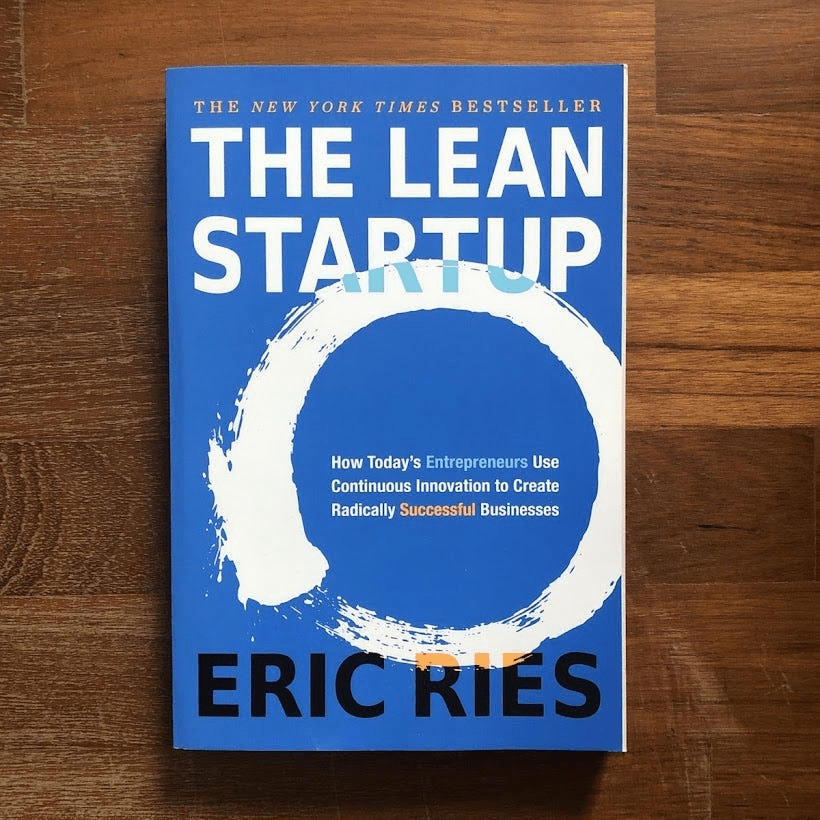
Photo By Medium
1. Start with a Minimum Viable Product (MVP):
The concept of a Minimum Viable Product is central to “The Lean Startup” methodology. Rather than spending extensive time and resources developing a fully-fledged product, doctorpreneurs can start by creating a basic version of their healthcare solution that addresses a core problem. This empowers them to test their assumptions, gather user feedback, and iterate rapidly based on real-world insights. By adopting this approach, doctorpreneurs can save time and capital while refining their offerings to meet the specific needs of the African market.
2. Validating Assumptions through Customer Development:
One of the critical aspects of “The Lean Startup” is engaging in continuous customer development. Doctorpreneurs should actively seek feedback from potential users, healthcare professionals, and industry experts to validate their assumptions and refine their business models. This process helps them understand the unique challenges faced by African patients, healthcare providers, and other stakeholders. By incorporating this feedback loop into their decision-making process, doctorpreneurs can tailor their solutions to better serve the African market.
3. Pivot and Adapt:
The African healthcare landscape is diverse and dynamic, with varying cultural, economic, and infrastructural contexts. Doctorpreneurs must be prepared to pivot and adapt their business models and strategies accordingly. “The Lean Startup” principles emphasize the importance of being flexible and nimble, allowing entrepreneurs to adjust their course based on real-time market feedback. This iterative approach enables doctorpreneurs to refine their value proposition, target audience, and operational strategies to align with the unique challenges and opportunities in Africa.
4. Build-Measure-Learn Feedback Loop:
The “Build-Measure-Learn” feedback loop lies at the core of “The Lean Startup” philosophy. Doctorpreneurs can apply this loop to test and validate their assumptions, measure the impact of their solutions, and learn from the data collected. By leveraging data analytics and tracking key performance indicators (KPIs), doctorpreneurs can gain valuable insights into the effectiveness of their healthcare offerings and make data-driven decisions. This allows them to optimize their products and services, refine their go-to-market strategies, and drive sustainable growth.

Photo By Big Jump
Practical Applications and Research Data:
a. Case Study: mPedigree
mPedigree, a Ghanaian startup, applied the principles of “The Lean Startup” to combat the prevalence of counterfeit drugs in Africa. They developed a mobile-based solution that allows consumers to verify the authenticity of medications using unique codes. By starting with an MVP and actively engaging with stakeholders, mPedigree refined their solution and expanded into multiple African countries, making a significant impact on drug safety.
b. Research Data: Access to Healthcare in Africa
According to the World Health Organization, approximately half of Africa’s population lacks access to essential healthcare services. This data highlights the immense need for innovative healthcare solutions in the continent. By leveraging “The Lean Startup” principles, African doctorpreneurs can address these challenges effectively.
c. Research Data: Mobile Technology Penetration
Africa has experienced rapid growth in mobile phone penetration, with over 747 million unique mobile subscribers as of 2021. This provides a unique opportunity for doctorpreneurs to leverage mobile technology in delivering healthcare services. By developing mobile health applications or leveraging SMS-based solutions, doctorpreneurs can reach a wider audience and bridge the gap in healthcare access.
d. Research Data: Rising Healthcare Expenditure
Healthcare expenditure in Africa is projected to reach $259 billion by 2026. This indicates a growing willingness to invest in healthcare solutions. By employing “The Lean Startup” principles, doctorpreneurs can ensure efficient allocation of resources, validate their business models, and attract potential investors who recognize the value of innovative and scalable healthcare solutions.
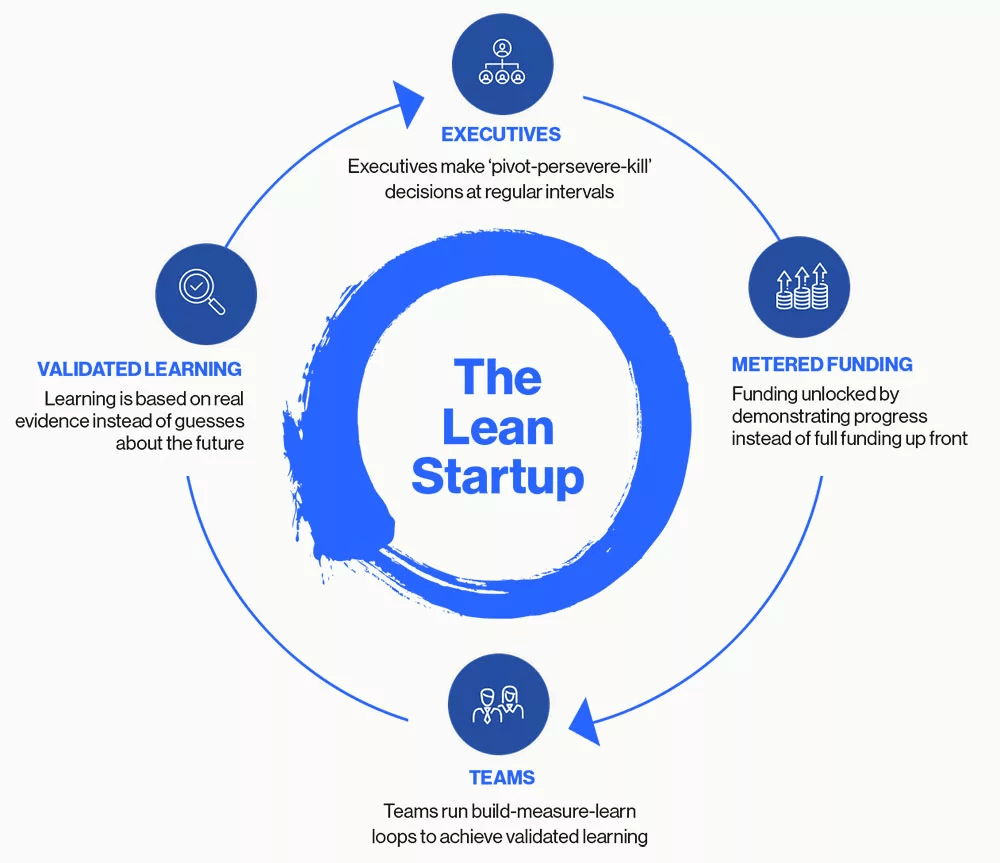
Photo By Lean Startup
“The Lean Startup” principles offer a valuable framework for African doctorpreneurs aiming to build successful healthcare businesses in Africa. By starting with a Minimum Viable Product, validating assumptions through customer development, pivoting and adapting to the African market, and implementing a Build-Measure-Learn feedback loop, doctorpreneurs can navigate the complex healthcare industry more effectively. Practical applications such as mPedigree highlight the success stories of African startups that have applied these principles to create meaningful impact. With the right mindset, data-driven decision-making, and a focus on continuous improvement, African doctorpreneurs can lead the way in shaping the future of healthcare in Africa.
Please leave your insights in the comment section below

 Dr. Hamza Asumah
Leave a comment