
Hamza Asumah, MD, MBA
The future of healthcare in Africa is a topic of great importance, with the continent facing a myriad of healthcare challenges. However, the rise of technology, personalized medicine, and progressive healthcare policies offer promising solutions that could revolutionize the way healthcare is provided across Africa. In this blog post, we will delve into these emerging trends and discuss their potential impact on the African healthcare landscape.
Photo By Peer Bits
Emerging Trends in Healthcare Technology
1. Telemedicine
Telemedicine, or the delivery of healthcare services remotely using technology, has the potential to revolutionize healthcare in Africa by increasing access to care, particularly in rural and underserved areas. Telemedicine can enable patients to consult with doctors via video calls, receive remote diagnoses, and manage chronic conditions without needing to travel long distances.
In response to the COVID-19 pandemic, the Nigerian company LifeBank launched a telemedicine platform called “Covid Connect NG.” The platform aimed to help people access healthcare professionals remotely and receive advice on their symptoms. According to LifeBank, within the first few weeks of its launch, the platform had over 3,000 users and connected them to over 100 doctors (source: LifeBank, 2020).
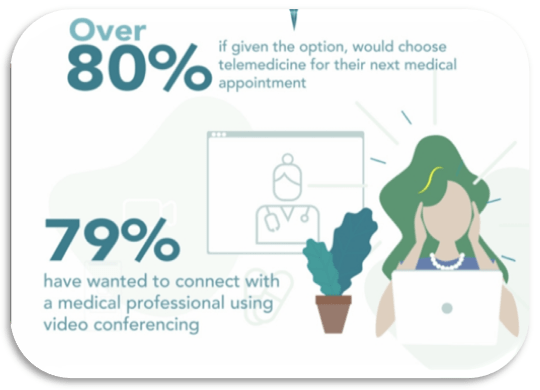
Photo By Biopharma Trend
2. Artificial Intelligence (AI) and Machine Learning (ML)
AI and ML are transforming healthcare by automating various tasks, improving diagnostics, and enhancing treatment plans. In Africa, AI can be utilized to analyze medical data, predict disease outbreaks, and identify patterns that would otherwise be difficult to discern. This can significantly improve the speed and accuracy of diagnoses, as well as help in the development of personalized treatment plans.
In 2018, the South African company Vula Mobile developed an AI-based tool to assist healthcare workers in diagnosing eye conditions. The tool uses machine learning algorithms to analyze images of the eye and provide diagnostic suggestions. This can help healthcare professionals detect eye conditions earlier, improve patient outcomes, and reduce the workload of ophthalmologists (source: Vula Mobile, 2018).
3. Wearable Technology
Wearable devices, such as fitness trackers and smartwatches, are becoming increasingly popular globally. These devices can be used to monitor vital signs, track physical activity, and even send alerts to doctors in case of abnormal health conditions. In Africa, wearable technology can play a vital role in promoting preventive healthcare and managing chronic diseases more effectively.
In 2020, a Kenyan startup called Afya Rekod launched a digital health platform that allows users to store and access their health records on their smartphones. The platform can be integrated with wearable devices, enabling users to track their health data and share it with healthcare providers. This can facilitate remote monitoring of chronic conditions and promote preventive healthcare (source: Afya Rekod, 2020).
Personalized Medicine: A New Era of Healthcare
Personalized medicine, or the tailoring of medical treatment to an individual’s unique genetic makeup, has the potential to revolutionize healthcare delivery in Africa. By considering a person’s genetic, environmental, and lifestyle factors, personalized medicine can lead to more accurate diagnoses and targeted treatments that are more likely to be successful and have fewer side effects.
As the cost of genetic testing continues to decrease, more Africans will have access to personalized medicine, paving the way for a new era of healthcare that is focused on prevention and early detection of diseases.
The African Alliance for Personalised Medicine (AfricAPM) was established in 2020 with the aim of promoting personalized medicine in Africa. The organization has been working to create a framework for implementing personalized medicine across the continent, which includes fostering collaborations, promoting research, and developing regulatory guidelines (source: AfricAPM, 2020).

Photo By Tiga Healthcare Technology
Transformative Healthcare Policies
To maximize the potential of these emerging trends, it is crucial for African countries to adopt transformative healthcare policies that support innovation, collaboration, and investment. Some key policy considerations include:
1. Strengthening Healthcare Infrastructure
Investing in healthcare infrastructure, such as hospitals, clinics, and diagnostic centers, is essential to provide a robust foundation for the adoption of new technologies and personalized medicine.
2. Encouraging Public-Private Partnerships
Collaboration between the public and private sectors can lead to the development of innovative healthcare solutions and the sharing of resources, expertise, and technology, ultimately benefiting the wider population.
3. Promoting Digital Health Literacy
Ensuring that healthcare providers and the general population have the necessary digital skills and knowledge to effectively utilize emerging healthcare technologies is essential for their successful implementation.
In 2016, the Rwandan government launched the “National eHealth Strategy” to leverage technology to improve healthcare delivery. The strategy focuses on building robust healthcare infrastructure, promoting public-private partnerships, and enhancing digital health literacy. Since the implementation of the strategy, Rwanda has witnessed significant improvements in healthcare delivery, including the increased use of telemedicine and the adoption of electronic health records (source: Rwanda Ministry of Health, 2016).

Photo By Technology Networks
The future of healthcare in Africa is bright, with emerging technologies, personalized medicine, and transformative healthcare policies promising to revolutionize the way healthcare is provided across the continent. By adopting these innovations and promoting a culture of collaboration and investment, Africa can overcome its healthcare challenges and pave the way for a healthier and more prosperous future for its people.
{lease leave your insights in the comment section below.

 Dr. Hamza Asumah
Leave a comment