
Hamza Asumah, MD, MBA
Scaling in business refers to the process of growing a business in a sustainable and profitable way. It involves increasing the size and scope of a business to meet demand and increase revenue. Scaling a business can involve expanding into new markets, developing new products or services, increasing production or distribution capabilities, and hiring additional employees.
Scaling is different from growth, which is simply increasing revenue or expanding the size of a business. Scaling involves increasing revenue and profitability while maintaining or improving efficiency, productivity, and quality.
To scale a business successfully, it is important to have a solid foundation in place, including a strong business model, effective processes and systems, and a talented and motivated team. It is also important to have access to funding and resources to support growth.
Scaling a business can be challenging, and it requires careful planning and execution. It is important to monitor key performance indicators (KPIs) to ensure that the business is growing in a sustainable and profitable way. This can include metrics such as revenue growth, customer acquisition costs, customer retention rates, and employee productivity.

Photo By Zillspace
Successful scaling can lead to increased revenue, market share, and profitability, as well as improved customer satisfaction and brand recognition.
There are several successful healthcare startup scaling efforts in Africa. Here are a few examples:
1. mPharma: mPharma is a healthcare startup that operates in several African countries, including Ghana, Nigeria, and Zambia. The company partners with pharmacies to provide affordable, high-quality medications to patients. The company has raised over $30 million in funding and has expanded its operations to several countries in Africa.
2. LifeBank: LifeBank is a healthcare startup based in Nigeria that aims to improve access to blood and other essential medical supplies. The company uses technology to connect hospitals and blood banks, enabling them to quickly and efficiently locate and deliver medical supplies. The company has raised over $10 million in funding and has expanded its operations to several African countries.
3. ConnectMed: ConnectMed is a telemedicine startup based in Kenya that provides online consultations with doctors. The company uses technology to enable patients to connect with doctors remotely, providing access to healthcare services in areas where medical resources are limited. The company has raised over $1 million in funding and has expanded its operations to several African countries.
4. Zipline: Zipline is a drone delivery startup that operates in several African countries, including Ghana, Rwanda, and Tanzania. The company uses drones to deliver medical supplies, including blood, vaccines, and medications, to remote areas. The company has raised over $230 million in funding and has expanded its operations to several countries outside of Africa.
These are just a few examples of successful healthcare startup scaling efforts in Africa. These startups have overcome the challenges of limited access to medical resources, regulatory hurdles, and infrastructure challenges to scale their businesses and improve healthcare outcomes in Africa.

Photo By Qualifacts
Healthcare startups in Africa face unique challenges when it comes to scaling their businesses. The continent has a diverse population with varying healthcare needs and limited access to medical resources. There are also regulatory and infrastructure challenges to contend with. However, with the right strategies in place, healthcare startups in Africa can overcome these challenges and scale their businesses effectively.
Challenges facing healthcare startups in Africa
1. Limited access to medical resources: Many African countries have limited access to medical resources. This creates a significant challenge for healthcare startups that rely on these resources to provide their services. For example, the lack of medical equipment and supplies can make it difficult to provide quality healthcare services.
2. Regulatory challenges: Healthcare startups in Africa face regulatory challenges that can stifle growth. Regulations can be complex and difficult to navigate, particularly for startups that are just starting out. This can create barriers to entry that can make it difficult for startups to gain traction.
3. Infrastructure challenges: Many African countries lack adequate infrastructure to support healthcare startups. This includes a lack of reliable electricity, internet connectivity, and transportation systems. This can make it difficult for startups to communicate with customers, collect data, and transport medical supplies.
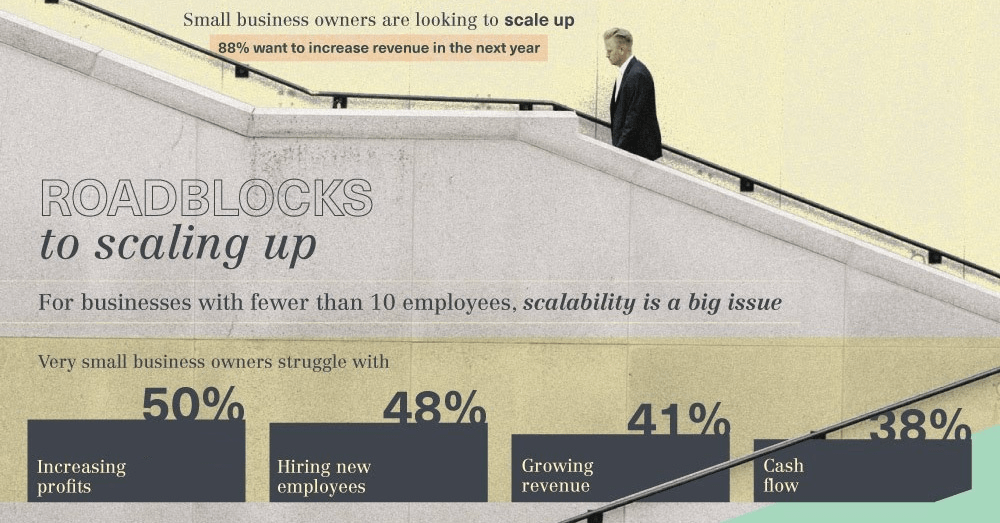
Photo By Visual Capitalist
Solutions to scaling healthcare startups in Africa
1. Build partnerships: One of the most effective ways to scale healthcare startups in Africa is to build partnerships with local organizations. This can include hospitals, clinics, and other healthcare providers. By building partnerships, startups can tap into existing networks and resources to expand their reach.
2. Leverage technology: Technology can be a powerful tool for scaling healthcare startups in Africa. For example, telemedicine can be used to connect patients with doctors remotely. Mobile health apps can be used to provide patients with health information and track their progress. AI-powered tools can be used to analyze data and provide insights that can help improve healthcare outcomes.
3. Focus on affordability: Affordability is a key consideration for healthcare startups in Africa. Many people in Africa cannot afford to pay for expensive healthcare services. Startups that focus on providing affordable services have a better chance of gaining traction and scaling their businesses.
4. Engage with local communities: Healthcare startups in Africa can benefit from engaging with local communities. This can include partnering with community organizations, hosting health fairs, and providing educational resources. By engaging with local communities, startups can build trust and establish themselves as valuable resources.
5. Seek out funding opportunities: Healthcare startups in Africa can benefit from seeking out funding opportunities. This can include grants, loans, and venture capital. By securing funding, startups can invest in their businesses and scale their operations.
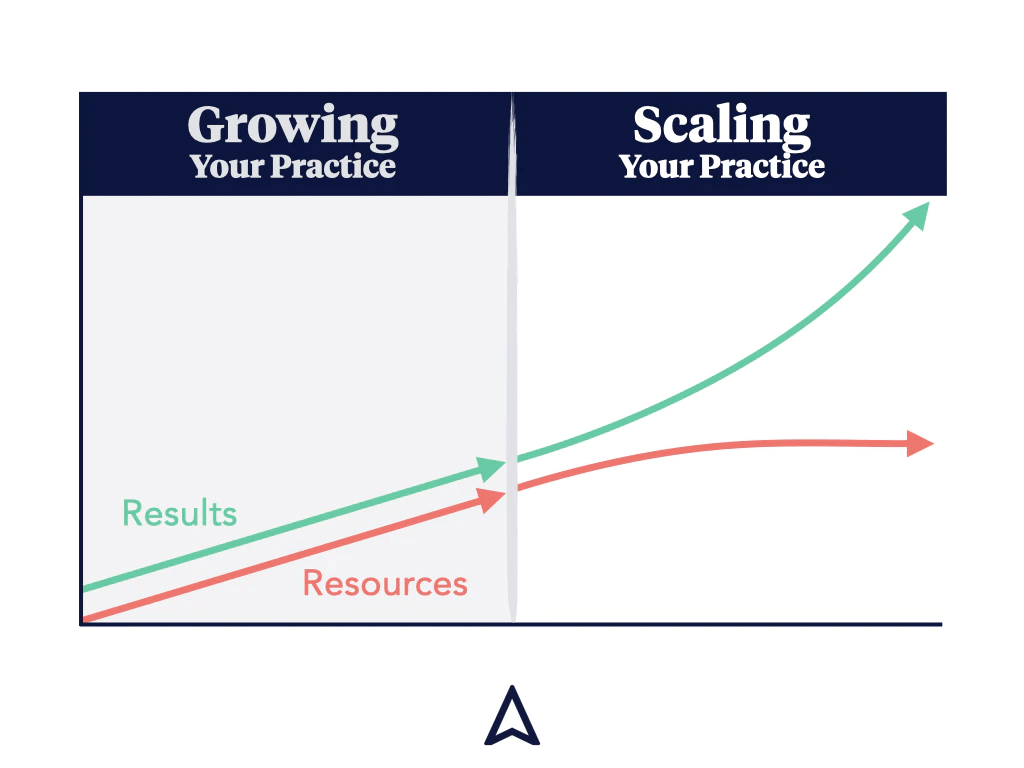
Photo By ROAMD
Scaling healthcare startups in Africa can be challenging, but it is not impossible. By building partnerships, leveraging technology, focusing on affordability, engaging with local communities, and seeking out funding opportunities, startups can overcome the challenges they face and scale their businesses effectively. With the right strategies in place, healthcare startups in Africa can improve healthcare outcomes and make a positive impact on people’s lives.

 Dr. Hamza Asumah
Leave a comment