Hamza Asumah, MD, MBA
A go-to-market (GTM) strategy is a plan that outlines how a company will bring its products or services to market and reach its target customers. A GTM strategy typically includes a detailed plan for product positioning, pricing, distribution channels, marketing and sales activities, and customer support.
The main goal of a GTM strategy is to ensure that a company’s products or services are introduced to the market in a way that maximizes their potential for success. This involves identifying the target customer base, understanding their needs and preferences, and developing a plan to effectively reach and engage with them.
A GTM strategy may also involve competitor analysis, market research, and the identification of key partners and stakeholders. A well-designed GTM strategy can help companies differentiate themselves from their competitors, build brand awareness, and drive revenue growth.

Photo By Nextrday
Entrepreneurs face several practical challenges when developing a go-to-market strategy. Here are some of the most common challenges:
1. Limited Resources: Most entrepreneurs have limited resources, including financial resources, human resources, and time. This can make it challenging to design and implement a comprehensive GTM strategy.
2. Lack of Market Knowledge: Entrepreneurs may lack in-depth knowledge of the market they are trying to enter. This can make it difficult to identify the target customer base, understand their needs and preferences, and develop an effective GTM strategy.
3. Competition: Entrepreneurs may face intense competition from established players in the market. This can make it challenging to differentiate their products or services and stand out in the market.
4. Regulatory Hurdles: Some markets may have complex regulatory requirements that can create barriers to entry for entrepreneurs. This can make it challenging to design a GTM strategy that complies with all relevant regulations.
5. Rapidly Changing Market Conditions: Markets can change rapidly, especially in the context of emerging technologies or disruptive business models. Entrepreneurs must stay updated on market trends and adjust their GTM strategies accordingly.
6. Limited Access to Partnerships: Partnerships with key stakeholders such as healthcare providers, government agencies, and other organizations can be critical to the success of a GTM strategy. However, entrepreneurs may face challenges in establishing such partnerships due to limited resources and lack of brand recognition.
7. Scalability: A GTM strategy must be scalable to support the growth of the business in the long run. Entrepreneurs may face challenges in designing a GTM strategy that can support growth while remaining cost-effective and efficient.
Overall, developing a go-to-market strategy can be a complex and challenging process for entrepreneurs. However, by carefully considering these challenges and developing a well-designed GTM strategy, entrepreneurs can increase their chances of success in the market.
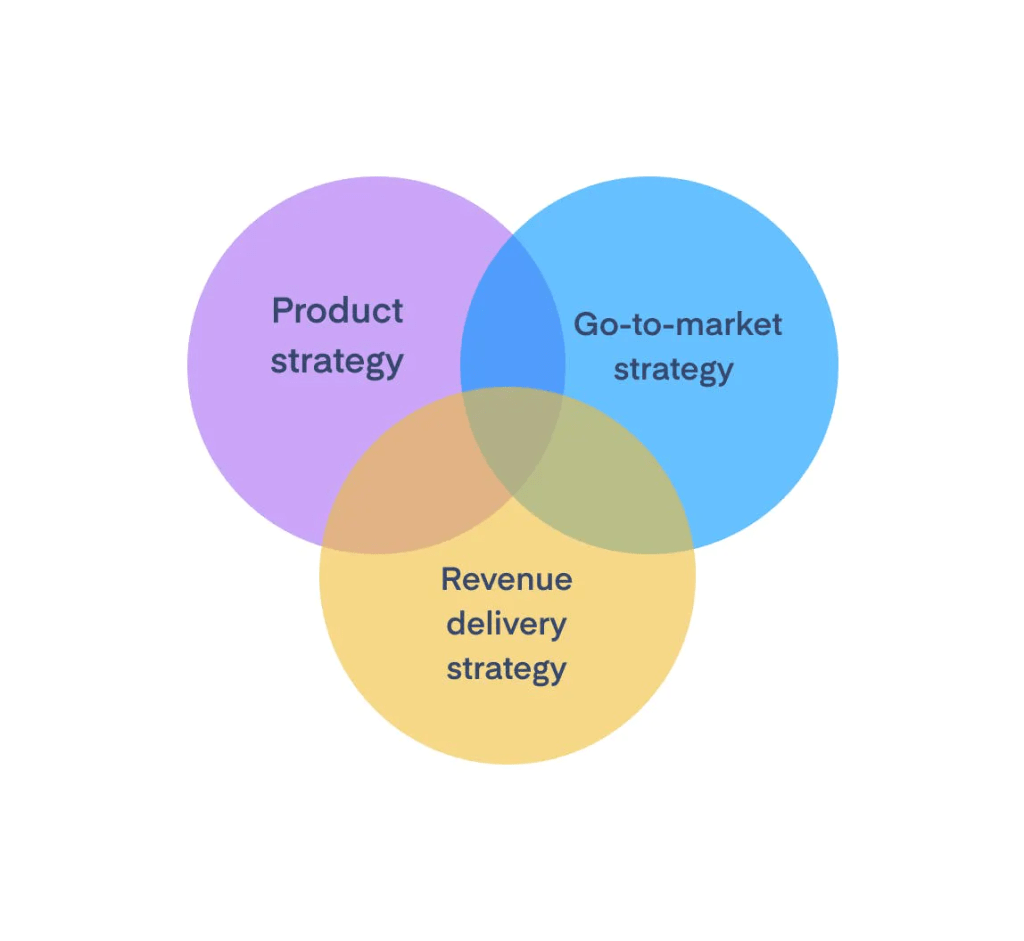
Photo By Paddle
Developing a go-to-market strategy for a healthcare business in Africa can be a daunting task, but it is an essential process that can help you achieve success in the region. Africa’s healthcare sector is a promising market with a growing demand for healthcare services. However, the healthcare market in Africa is complex, and to succeed, businesses need to understand the market dynamics and tailor their strategies to the specific needs of the market. In this blog, we will discuss essential steps to developing a go-to-market strategy for your healthcare business in Africa.
1. Conduct Market Research
The first step in developing a go-to-market strategy for your healthcare business in Africa is to conduct market research. This research will help you understand the market dynamics, such as the demand for healthcare services, the regulatory environment, and the competitive landscape. You can also use this research to identify potential partners, customers, and competitors in the market.
2. Identify Your Target Market
Once you have conducted your market research, the next step is to identify your target market. This involves defining the specific segment of the market that you want to serve. The healthcare market in Africa is diverse, and different regions or countries may have varying healthcare needs. It is essential to have a clear understanding of your target market’s healthcare needs, preferences, and behaviors, and tailor your offerings to meet their specific needs.
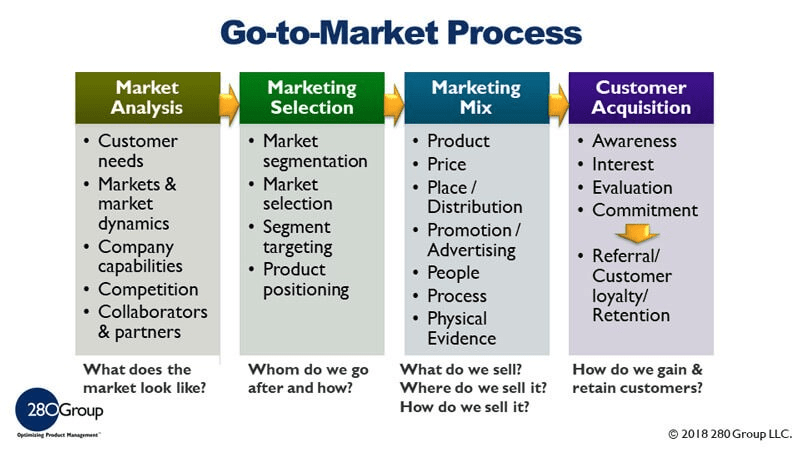
Photo By LinkedIn
3. Develop a Value Proposition
After identifying your target market, the next step is to develop a value proposition. A value proposition is a statement that explains how your healthcare business will solve the healthcare challenges facing your target market. Your value proposition should be clear, concise, and compelling, and should differentiate your healthcare business from your competitors.
4. Choose Your Distribution Channels
Once you have developed your value proposition, the next step is to choose your distribution channels. The healthcare market in Africa is diverse, and different regions or countries may have varying distribution channels. It is essential to have a clear understanding of the distribution channels that are most effective in reaching your target market and tailor your distribution strategy to meet their specific needs.
5. Develop a Marketing Plan
After choosing your distribution channels, the next step is to develop a marketing plan. Your marketing plan should include a clear understanding of your target market, your value proposition, and your distribution channels. It should also include a detailed plan for reaching your target market through targeted marketing campaigns and promotional activities.
6. Build Partnerships
Building partnerships with key stakeholders in the healthcare industry is crucial for success in the African healthcare market. This includes partnerships with healthcare providers, government agencies, and other organizations that can help you reach your target market and achieve your business goals.
7. Develop a Pricing Strategy
Finally, it is essential to develop a pricing strategy that is competitive and reflects the value of your healthcare services in the market. Your pricing strategy should take into account the specific needs and preferences of your target market and be flexible enough to adjust to changes in the market.

Photo By Revuze
In conclusion, developing a go-to-market strategy for your healthcare business in Africa requires a clear understanding of the market dynamics, the healthcare needs of your target market, and a tailored approach to distribution, marketing, and pricing. By following these essential steps, you can develop a successful go-to-market strategy that helps you achieve your business goals in the African healthcare market.
Please leave your comments below.

 Dr. Hamza Asumah
Leave a comment