
Hamza Asumah, MD, MBA
Overhead costs are the indirect expenses that are required to keep a business running, but are not directly tied to the production or sale of a specific product or service. These costs are typically ongoing expenses that a business incurs regardless of its level of sales or production. Examples of overhead costs include rent, utilities, insurance, salaries and wages of non-production staff, office supplies, and equipment maintenance.
Overhead costs are important to consider when calculating a company’s profitability and pricing strategy, as they can significantly impact a company’s bottom line. By understanding and managing overhead costs effectively, businesses can optimize their operations and improve their financial performance.

Photo By Rocket Matter
In recent years, the trend in healthcare businesses in Africa has been towards an increase in overhead costs. This is due to several factors, including inflation, the rising cost of medical equipment and supplies, and the need to attract and retain skilled healthcare professionals. Additionally, the COVID-19 pandemic has put a strain on healthcare businesses in Africa, leading to increased overhead costs associated with personal protective equipment (PPE) and other infection control measures.
The role of overhead costs in healthcare businesses in Africa is complex. On the one hand, overhead costs are necessary to provide quality patient care and maintain the infrastructure of the hospital. Without these expenses, healthcare businesses would not be able to operate effectively. On the other hand, high overhead costs can be a significant barrier to profitability, particularly for small and medium-sized healthcare businesses.
There is limited research specifically focused on the collapse of hospital businesses in Africa due to poor management of overhead costs. However, there is evidence to suggest that the mismanagement of overhead costs can have a significant impact on the financial stability of healthcare businesses in Africa and may contribute to their failure.

Photo By LinkedIn
A study published in the Journal of African Business in 2018 examined the financial performance of private hospitals in Ghana and found that overhead costs were a significant factor in determining profitability. The study found that higher overhead costs, particularly administrative expenses such as salaries, rent, and utilities, were associated with lower profitability. The authors concluded that effective management of overhead costs is essential for private hospitals in Ghana to remain profitable.
Similarly, a study published in the Journal of Health Organization and Management in 2017 examined the financial sustainability of rural health centers in Kenya. The study found that poor financial management, including inadequate budgeting and weak financial controls, was a major factor contributing to the financial instability of rural health centers. The authors recommended that healthcare businesses in Africa adopt better financial management practices to ensure their long-term sustainability.
In addition to these studies, anecdotal evidence suggests that poor management of overhead costs can contribute to the collapse of hospital businesses in Africa. For example, a report by the World Bank in 2019 noted that many private healthcare businesses in Africa struggle with high overhead costs and low profitability. The report highlighted the need for healthcare businesses in Africa to adopt more efficient and effective business practices to remain viable in a competitive market.
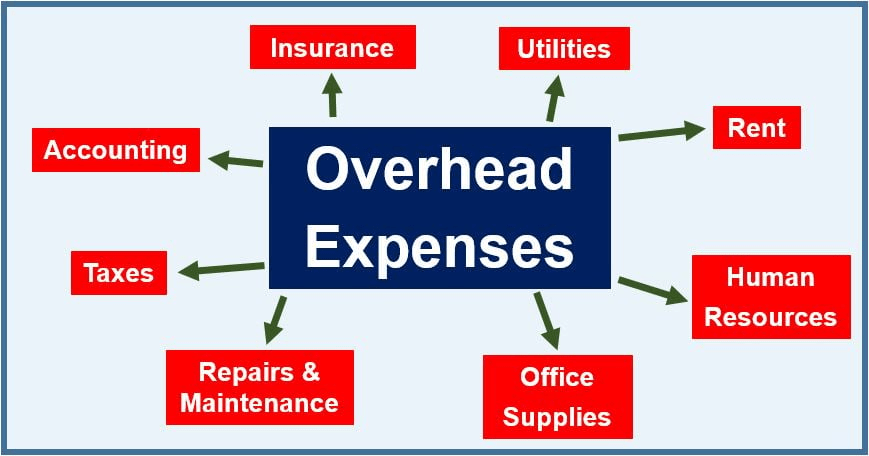
Photo By Market Business News
Managing overhead costs is crucial for the success of hospital businesses in Africa. By effectively managing overhead costs, hospitals can increase profitability and improve their financial stability. Here are some strategies for effectively managing overhead costs in your hospital business in Africa:
1. Conduct a Cost Analysis
Conducting a cost analysis is the first step in managing overhead costs. This involves reviewing all expenses and identifying areas where costs can be reduced or eliminated. Hospitals can use financial software or hire a financial consultant to conduct a cost analysis.
2. Implement Cost-Control Measures
After conducting a cost analysis, hospitals can implement cost-control measures to reduce expenses. This can include negotiating better prices with suppliers, using energy-efficient equipment, and reducing waste. Hospitals can also consider outsourcing non-core functions to reduce labor costs.

Photo By CFM Distributors Inc
3. Invest in Technology
Investing in technology can help hospitals reduce overhead costs and improve efficiency. For example, hospitals can use electronic medical records to reduce paperwork and improve communication between staff. Hospitals can also use telemedicine to provide remote consultations and reduce the need for patients to come into the hospital.
4. Consider Shared Services
Shared services involve sharing resources and services between hospitals to reduce overhead costs. Hospitals can consider sharing services such as purchasing, laundry, and maintenance with other hospitals in the region. This can reduce costs for all hospitals involved.
5. Monitor and Review Expenses Regularly
Monitoring and reviewing expenses regularly is important for maintaining effective overhead cost management. Hospitals should review expenses on a monthly or quarterly basis to identify any new cost-saving opportunities or areas where expenses have increased.

Photo By Glimpse Corp
6. Regularly Review Financial Performance
Regular financial reviews are crucial for identifying areas where overhead costs can be reduced. A study published in the Journal of Medical Practice Management found that practices that conducted regular financial assessments were more likely to have lower overhead costs and higher profitability (1). To stay on top of your financial performance:
– Monitor key financial metrics, such as revenue, expenses, and profit margins
– Compare your practice’s performance against industry benchmarks
– Identify areas where costs can be reduced or revenue can be increased
7. Embrace Technology for Improved Efficiency
Incorporating technology into your practice can lead to increased efficiency and reduced overhead costs. Research published in the Journal of Healthcare Information Management found that healthcare practices that utilized electronic health records (EHRs) and other digital tools experienced a decrease in overhead costs and an increase in productivity (2). Consider investing in:
– EHR systems to streamline patient records and billing
– Practice management software to automate tasks such as appointment scheduling and insurance claims processing
– Telemedicine platforms to expand your patient base and reduce the need for physical office space
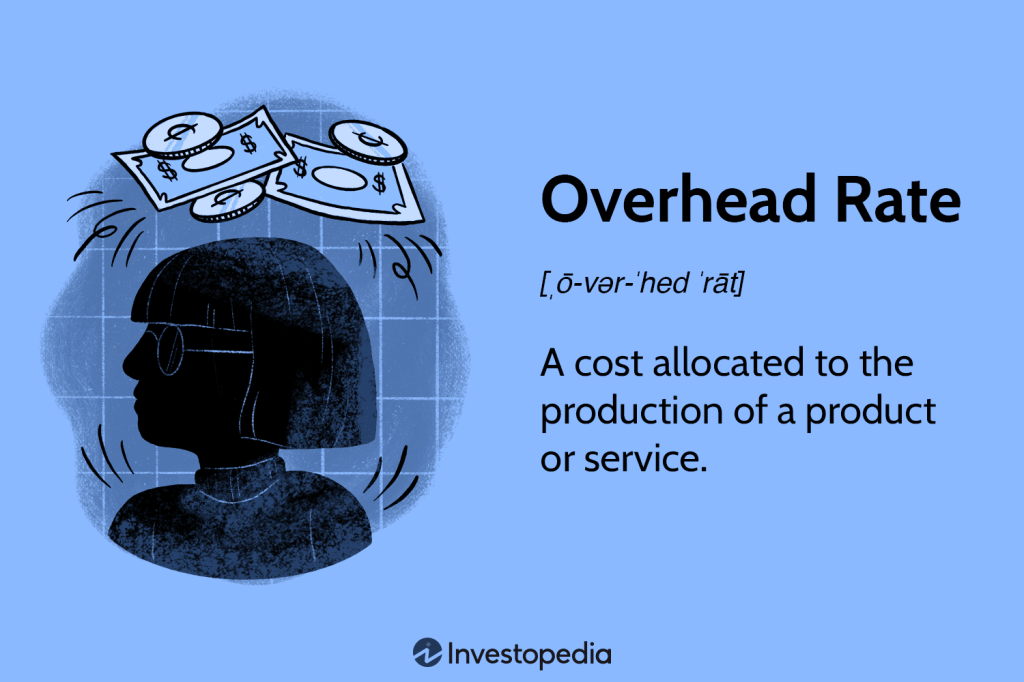
Photo By Investopedia
8. Optimize Staffing Levels
Labor costs are often the most significant component of overhead costs for healthcare practices. A study in Health Affairs found that optimizing staffing levels and improving employee productivity could lead to significant cost savings (3). To manage staffing costs effectively:
– Regularly review staff performance and productivity
– Cross-train employees to perform multiple tasks and fill in for absent staff members
– Consider outsourcing non-core functions, such as billing and IT support, to reduce labor costs
9. Negotiate with Vendors and Suppliers
Negotiating with vendors and suppliers can result in substantial cost savings. A study published in the Journal of Healthcare Financial Management found that healthcare organizations that actively negotiated with vendors experienced lower overhead costs and higher profit margins (4). To negotiate effectively:
– Research industry pricing trends and benchmarks
– Leverage your practice’s volume and loyalty to negotiate better pricing
– Regularly reassess vendor contracts and explore alternative suppliers if necessary
10. Implement Energy-Efficient Practices
Energy costs can be a significant overhead expense for healthcare facilities. Research published in the Journal of Healthcare Engineering found that implementing energy-efficient practices could lead to significant cost savings (5). To reduce energy costs:
– Conduct an energy audit to identify areas of inefficiency
– Invest in energy-efficient lighting, heating, and cooling systems
– Implement energy-saving practices, such as turning off lights and equipment when not in use

Photo By Webstaurant Store
Failing to manage overhead costs effectively can have severe consequences for healthcare businesses. High overhead costs can lead to reduced profitability, making it difficult to invest in growth opportunities or maintain competitive pricing. In extreme cases, poor overhead cost management can result in the closure of healthcare facilities, as revenue is unable to cover expenses.
Effectively managing overhead costs is crucial for the success of hospital businesses in Africa. Hospitals can conduct a cost analysis, implement cost-control measures, optimize staffing levels, invest in technology, consider shared services, and monitor and review expenses regularly to reduce overhead costs and improve profitability. By focusing on these strategies, hospitals can improve their financial stability and provide high-quality patient care.

 Dr. Hamza Asumah
Leave a comment