Hamza Asumah, MD,MBA
By definition, Doctorpreneurs are medical professionals who venture into the world of entrepreneurship with the goal of improving and expanding healthcare services. As a doctorpreneur, you are not only responsible for providing exceptional medical care but also for managing and growing your business. One critical skill that can significantly impact your success as a doctorpreneur is negotiation. Mastering the art of negotiation will empower you to effectively communicate your needs, establish strong relationships, and secure the best possible deals for your business.
In this blog post, we will discuss various negotiation techniques and strategies, negotiating contracts with healthcare payers, and negotiating with patients and their families. We will also present research data on how negotiation skills have helped entrepreneurs succeed in their businesses.

Photo By RECAP
Negotiation skills are just as essential for African doctorpreneurs as they are for their counterparts in other parts of the world. In fact, African doctorpreneurs may face unique challenges that require even stronger negotiation skills to overcome. Here are some references that highlight the importance of negotiation skills for African doctorpreneurs:
1. Cultural and language barriers: African doctorpreneurs may face cultural and language barriers when negotiating with patients, partners, or investors from different cultural backgrounds. They must be able to navigate these differences and communicate effectively to establish trust and build relationships (Chimucheka, 2020).
2. Limited access to resources: African doctorpreneurs may have limited access to resources, such as capital, technology, or infrastructure, which can make it more challenging to negotiate favorable deals. They must be creative and flexible in finding alternative solutions that meet their needs and the needs of their patients (Mwakalinga et al., 2020).
3. Regulatory and policy constraints: African doctorpreneurs may face strict regulatory and policy constraints that limit their flexibility in negotiating contracts or partnerships. They must be knowledgeable about the local regulations and policies and find ways to work within the existing frameworks to achieve their goals (Okwero et al., 2020).
4. Importance of community engagement: African doctorpreneurs must also be skilled at negotiating with local communities to gain their trust and support. Community engagement is critical to the success of healthcare businesses in Africa, and doctorpreneurs must be able to navigate community dynamics and negotiate mutually beneficial partnerships (Nchinda et al., 2019).

Photo By Professional Development Center
Negotiation Techniques and Strategies for Doctorpreneurs
1. Preparation: Thoroughly research the subject matter before entering any negotiation. Understand the interests of all parties involved and anticipate their possible objections. This will empower you to present your case persuasively and confidently.
2. Establish rapport: Building a strong relationship with your counterpart is crucial in negotiations. Be empathetic, listen carefully, and show genuine interest in their concerns. This will help create a positive atmosphere and increase the likelihood of a mutually beneficial agreement.
3. Focus on interests, not positions: When negotiating, focus on the underlying interests of each party rather than their stated positions. This will help you find creative solutions that satisfy everyone’s needs and foster a collaborative approach.
4. Use objective criteria: Base your arguments on objective criteria, such as market rates, industry standards, or legal regulations. This will lend credibility to your claims and make it difficult for your counterpart to dispute your proposals.
5. Be willing to walk away: Know your bottom line and be prepared to walk away if the negotiation is not meeting your needs. This will demonstrate your commitment to securing a fair deal and may encourage your counterpart to reconsider their stance.
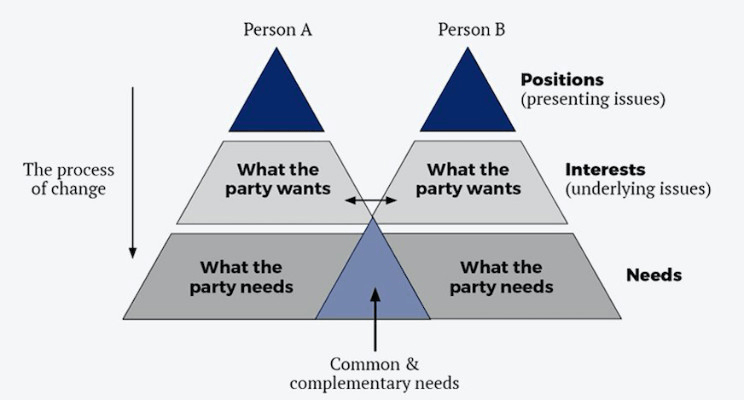
Photo By LinkedIn
Negotiating Contracts with Healthcare Payers
As a doctorpreneur, you will likely have to negotiate contracts with healthcare payers, such as insurance companies and government programs. These contracts determine reimbursement rates, payment terms, and other important aspects of your business. Here are some tips for successful payer negotiations:
1. Understand the payer’s perspective: Research the payer’s priorities, challenges, and objectives. This will help you tailor your proposals to address their concerns and demonstrate the value of your services.
2. Benchmark your rates: Compare your reimbursement rates with industry standards and those of your competitors. This will give you a solid foundation for negotiating fair and competitive rates.
3. Present data-driven arguments: Use data to support your claims, such as patient outcomes, cost savings, and practice efficiency. This will make your case more compelling and harder to refute.
4. Collaborate on solutions: Work with payers to develop mutually beneficial solutions, such as implementing value-based payment models or offering additional services that increase patient satisfaction.

Photo By LinkedIn
Negotiating with Patients and Their Families
Doctorpreneurs must also negotiate with patients and their families, particularly when discussing treatment options, payment plans, and other sensitive topics. Here are some strategies for effective patient negotiations:
1. Practice active listening: Give patients and their families your full attention, and ensure they feel heard and understood. This will build trust and rapport, making the negotiation process smoother.
2. Be transparent: Clearly explain the benefits and risks of different treatment options, and be upfront about costs and payment plans. Transparency fosters trust and helps patients make informed decisions.
3. Show empathy: Acknowledge the emotional and financial challenges patients and their families may be facing. Demonstrating empathy can create a supportive environment and facilitate open communication.
4. Offer flexible solutions: Be open to alternative payment plans, treatment options, or additional support services that can help address patients’ needs and concerns.
5. Involve the patient in decision-making: Encourage patients and their families to participate in the decision-making process. This not only empowers them but also increases their commitment to the chosen course of action.
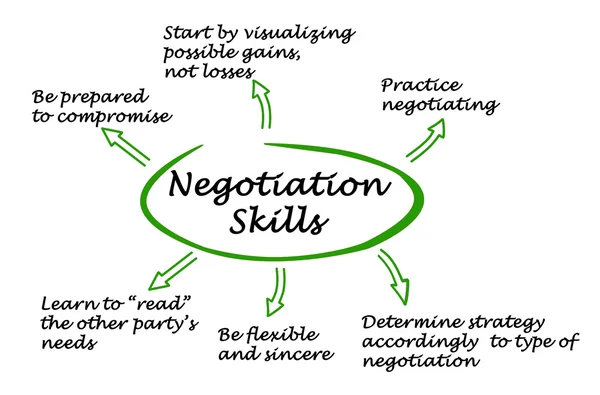
Photo By Deposit photos
Research Data on Negotiation Skills and Entrepreneurial Success
The ability to negotiate effectively is a critical factor in entrepreneurial success. According to a study conducted by Harvard Business School, entrepreneurs who excel at negotiations are more likely to secure better deals, establish valuable partnerships, and resolve conflicts efficiently (Malhotra, 2016).
Another study from the University of California, Berkeley, found that entrepreneurs who received negotiation training reported a 24% increase in the average size of their negotiated agreements (Yong, 2015). These findings suggest that developing negotiation skills can significantly contribute to the growth and success of a healthcare business.

Photo By EduCBA
By developing strong negotiation skills, African doctorpreneurs can overcome these challenges and build successful healthcare businesses that benefit their patients and communities.
Negotiation skills are essential for doctorpreneurs seeking to grow their healthcare businesses. By mastering various techniques and strategies, doctorpreneurs can effectively negotiate contracts with healthcare payers, collaborate with patients and their families, and secure deals that benefit all parties involved. Investing in negotiation training and practice will not only enhance your communication skills but also ultimately contribute to the success and growth of your healthcare business.
Please leave your insight in the comment section below

 Dr. Hamza Asumah
Leave a comment