
Hamza Asumah, MD, MBA
Revenue cycle management (RCM) is the process of managing the financial aspects of a hospital or healthcare facility, from patient registration to final payment collection. It encompasses all administrative and clinical functions related to the capture, management, and collection of patient service revenue. Effective RCM can help hospitals in Africa optimize their revenue, improve cash flow, and enhance the patient experience. In this blog post, we will discuss what revenue cycle management is, and how hospitals in Africa can effectively manage it.
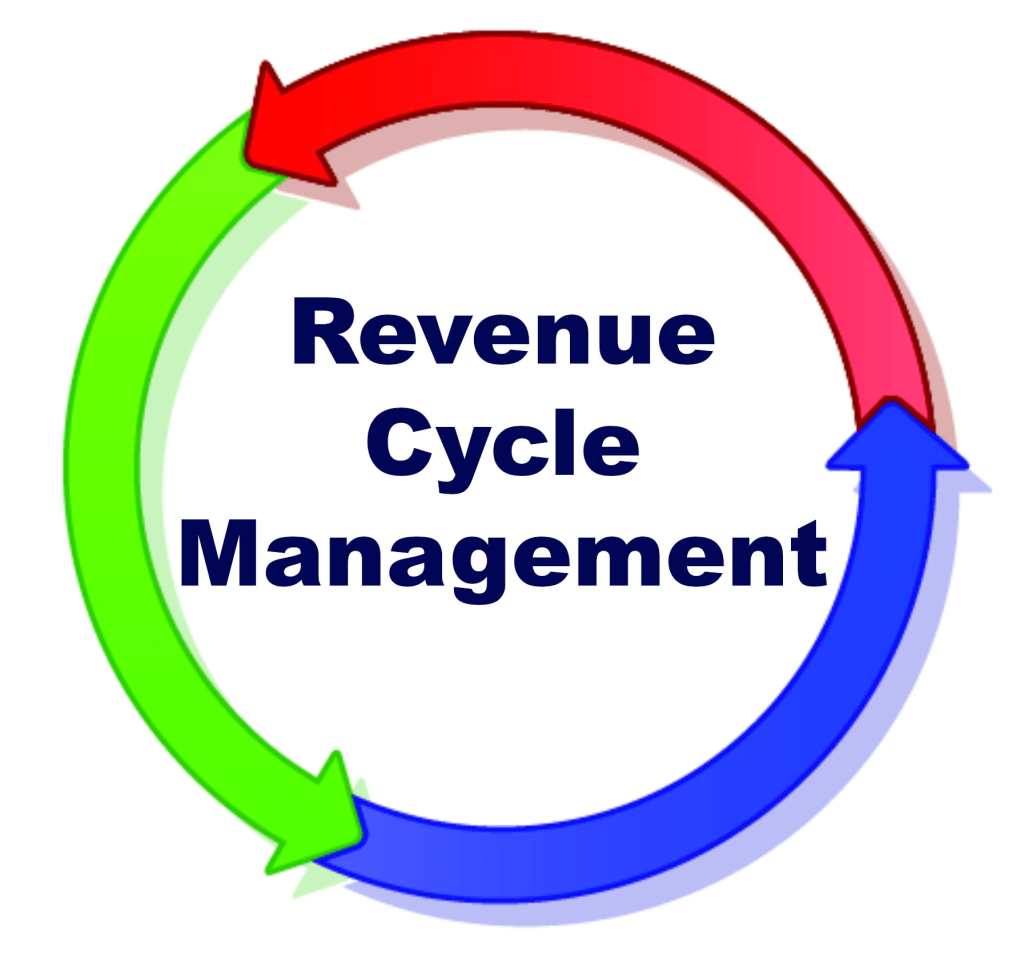
Photo By BHM Healthcare Solutions
There is a growing body of evidence to suggest that proper revenue cycle management (RCM) can help hospitals grow and improve their financial performance. Here are some key data points that support this claim:
- Improved cash flow: A study by the Healthcare Financial Management Association (HFMA) found that healthcare organizations with effective RCM processes had a median days in accounts receivable (DAR) of 40 days, compared to a median of 56 days for organizations with ineffective RCM processes. This suggests that proper RCM can improve cash flow and reduce the time it takes to collect payments.
- Reduced denials: According to a report by the Advisory Board, the average hospital has a claims denial rate of 10%, which represents a significant loss of revenue. However, hospitals with effective RCM processes can reduce their denial rate to as low as 2-3%, which can result in significant financial gains.
- Increased revenue: Proper RCM can help hospitals capture all the revenue they are entitled to, including reimbursements from insurance companies and government payers. According to a report by Black Book Market Research, hospitals that implement effective RCM processes can increase their net patient revenue by up to 6%.
- Improved patient experience: Proper RCM can help hospitals reduce billing errors and improve communication with patients about their financial responsibilities, which can improve the patient experience and increase patient satisfaction.
- Improved efficiency: Effective RCM processes can help hospitals automate and streamline billing and payment processes, which can improve operational efficiency and reduce administrative overhead.

Photo By Indeed
The revenue cycle management process typically involves the following stages:
1. Patient registration: Accurately capturing patient information at the point of registration is critical to ensuring smooth revenue cycle management. Hospitals should ensure that patient information is collected accurately and completely, including insurance information, demographic data, and medical history.
2. Charge capture: Accurately capturing charges for all services provided is essential to optimizing revenue. Hospitals should ensure that all charges are captured accurately, and that codes are assigned correctly to the services provided.
3. Claims submission: Submitting claims in a timely and accurate manner is crucial to ensuring timely payment from insurance companies. Hospitals should ensure that all claims are submitted promptly, with all necessary supporting documentation.
4. Claims follow-up: Following up on unpaid claims is critical to ensuring timely payment from insurance companies. Hospitals should have a system in place to track unpaid claims and follow up with insurance companies to resolve any issues or disputes.
5. Payment posting: Accurately posting payments received from insurance companies and patients is critical to ensuring accurate financial reporting. Hospitals should ensure that all payments are posted promptly and accurately, and that any discrepancies are resolved promptly.
6. Patient collections: Collecting payments from patients is an essential part of revenue cycle management. Hospitals should have clear policies and procedures in place for collecting patient payments, including establishing payment plans for patients who are unable to pay in full at the time of service.

Photo By RevCycleIntelligence
To effectively manage revenue cycle management in Africa hospital business, hospitals should consider the following tips:
1. Implement an electronic health record (EHR) system: Implementing an EHR system can help hospitals capture patient information more accurately and efficiently, and can help improve charge capture and claims submission.
2. Train staff on revenue cycle management: Providing comprehensive training to staff on revenue cycle management can help ensure that all staff members understand their roles and responsibilities in the process, and can help reduce errors and delays.
3. Outsource revenue cycle management: Outsourcing revenue cycle
A well-designed and well-executed revenue cycle process can bring several benefits to an organization, including:
1. Improved cash flow: An effective revenue cycle process helps to ensure that payments are collected in a timely and efficient manner, which can lead to improved cash flow. This can help an organization to better manage its financial resources and invest in growth opportunities.
2. Increased revenue: A strong revenue cycle process can help to identify and address issues that may be causing revenue leakage or missed opportunities for revenue generation. By improving billing accuracy, reducing denials, and optimizing reimbursement rates, an organization can increase its revenue and profitability.
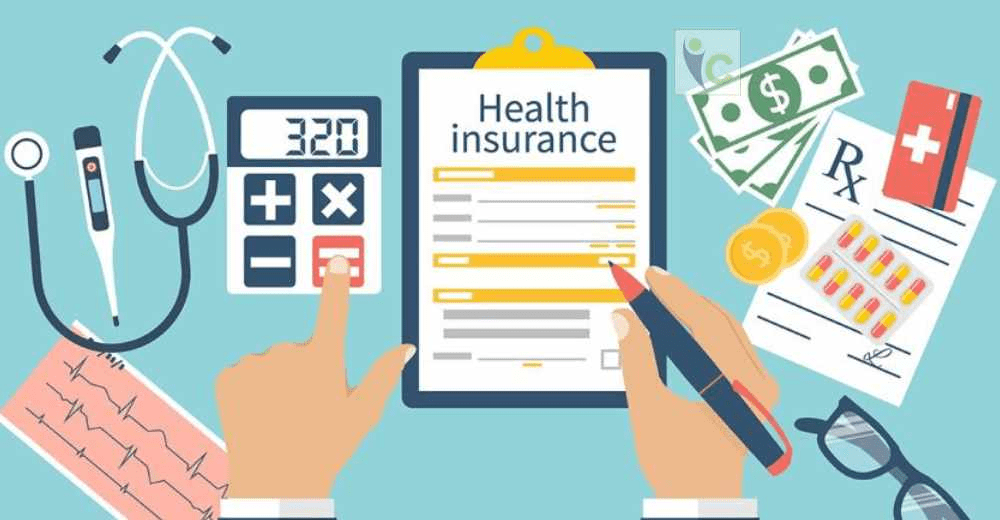
Photo By Insights Care Magazine
3. Enhanced patient satisfaction: A smooth revenue cycle process can help to improve patient satisfaction by reducing the time it takes to receive bills and resolving any issues or concerns in a timely manner. This can help to build patient loyalty and trust in the organization.
4. Better regulatory compliance: A well-designed revenue cycle process can help to ensure compliance with regulations and requirements related to billing, coding, and reimbursement. This can help to avoid costly penalties and legal issues.
5. Increased efficiency: An optimized revenue cycle process can reduce administrative burden, streamline workflows, and improve staff productivity. This can free up resources to focus on other areas of the organization and improve overall efficiency.
Overall, a strong revenue cycle process is essential for the financial health and success of an organization. By optimizing revenue cycle management, organizations can improve cash flow, increase revenue, enhance patient satisfaction, ensure regulatory compliance, and increase efficiency.

 Dr. Hamza Asumah
Leave a comment